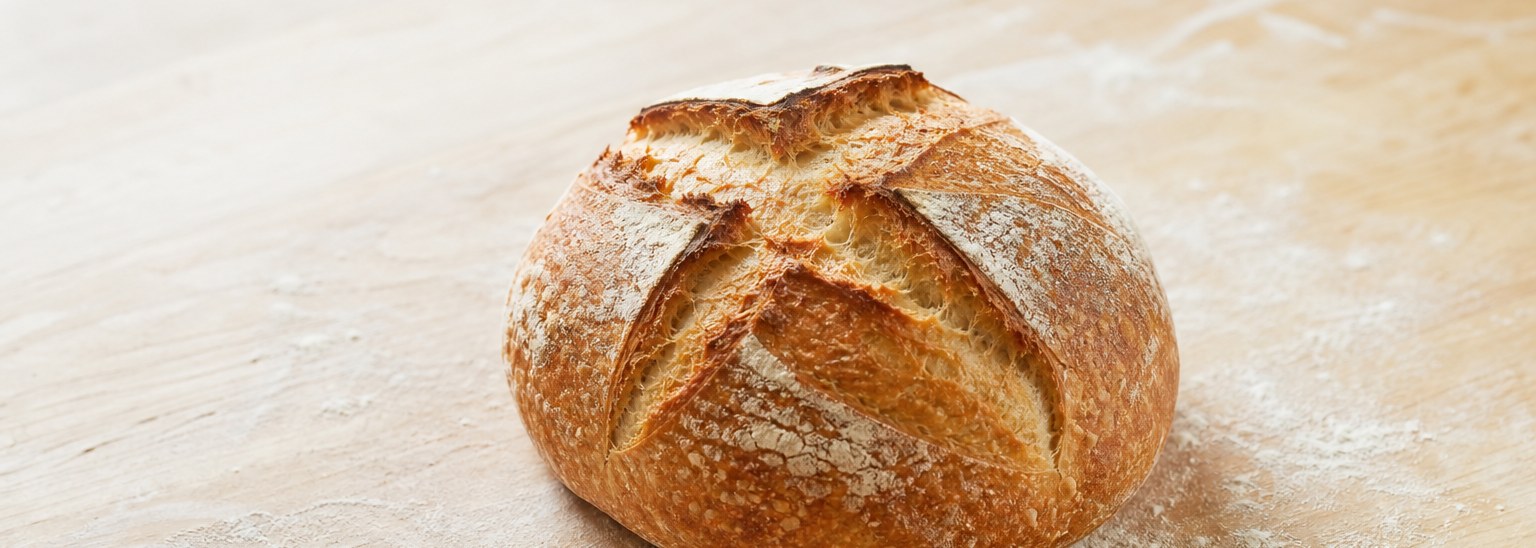
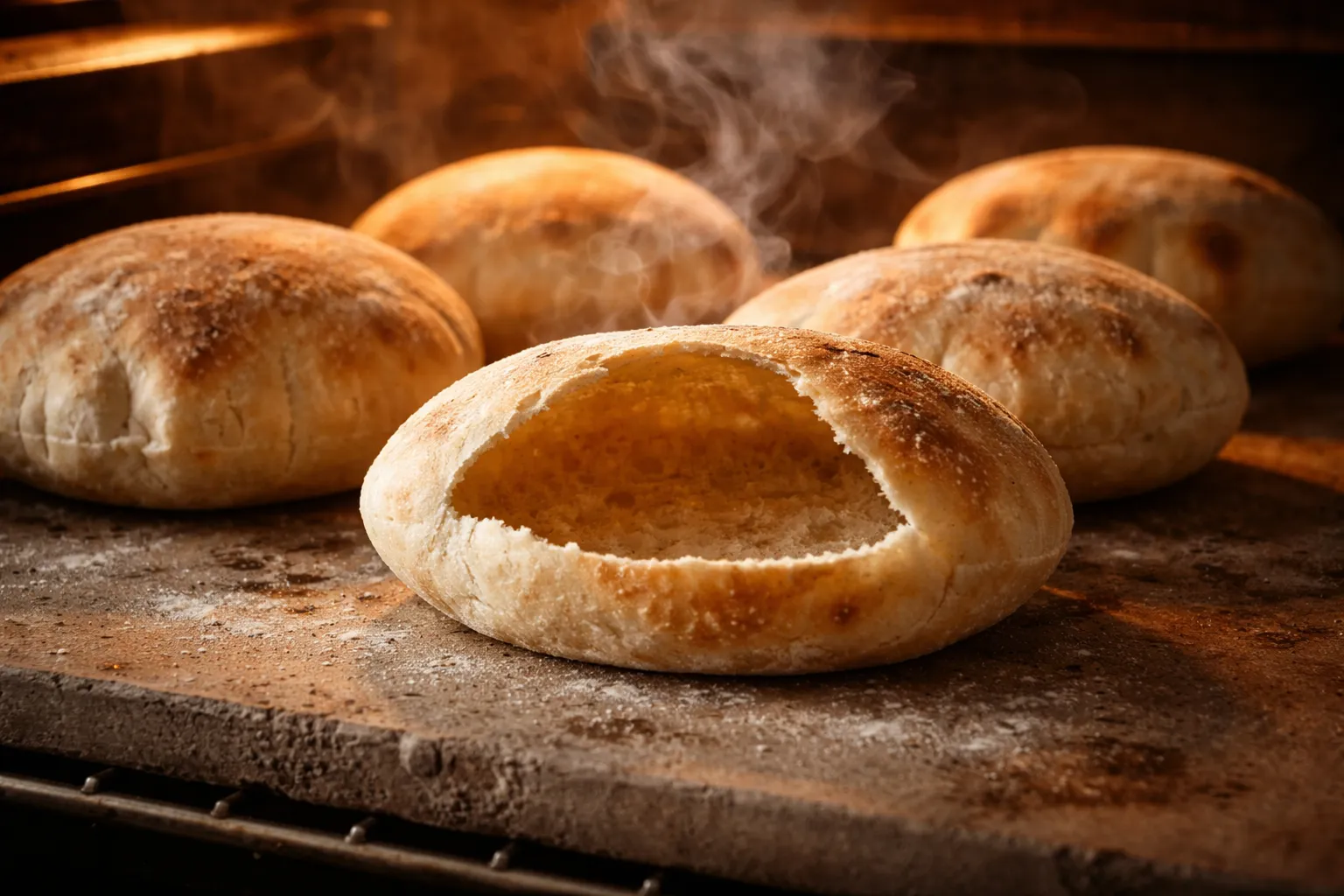
“Is that one supposed to look like a tortilla?” My roommate asked, peering over my shoulder as I dragged another flat, tan disc off the baking stone. No dome. No air pocket. Just a dense, chewy round that resembled a hockey puck more than any pita I’d ever torn into at a Middle Eastern spot. This was attempt fourteen at getting sourdough pita right, and I was beginning to question whether some bakers simply weren’t wired for this bread.
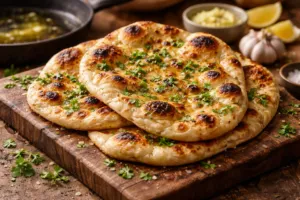
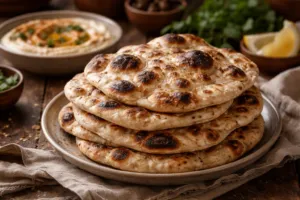
Six months have passed since that particular flop. These days, I pull puffy, cleanly-pocketed sourdough pitas from my oven nearly every week, packing them with falafel, roasted veg, and whatever odds and ends are hanging around the fridge. Getting from frisbee to fluffy cost me forty failed rounds, more flour than I care to tally up, and one mortifying call to my mother where I half-asked whether I should just quit baking for good. She thought it was funny. I did not, at the time. Eventually it clicked, though, and here’s the full breakdown of how.
Why Sourdough Pita Fights You Harder Than Other Breads (And Why the Payoff Is Worth It)
Nobody sat me down and explained this part: getting that pocket has almost nothing to do with the recipe itself. It’s a heat problem, a timing problem, a hydration problem, and honestly a little bit of blind trust. That pocket appears when a thin round of dough meets a screaming-hot surface, and the trapped steam has only one direction to escape — upward, tearing the layers apart into a puffed dome. Get even one of those elements wrong and you’re back to frisbee territory. I got every single one wrong, over and over, week after week.
Throwing sourdough into the mix only complicates things further. Store-bought yeast behaves consistently and moves fast. A starter, on the other hand, is a living, moody thing with its own agenda. That fermentation shapes how the gluten develops, how much water the dough can hold, and how it responds to blistering heat. Once that finally sank in, I stopped assuming I was the problem and started approaching the whole thing more like a negotiation than a set of instructions to follow blindly.
As for the taste — it’s genuinely in a different league. There’s a subtle tang, real depth, and a chew that anything from a grocery store shelf just can’t replicate. Once you crack the technique, plain packaged pita stops being an option.
The Stone That Finally Kept Its Heat Long Enough to Puff the Dough
Getting a pocket requires fierce, unwavering heat — enough to flash a wet dough into steam almost instantly. My old baking sheet kept shedding heat too quickly, letting the pitas cave before they ever got the chance to inflate. What I actually needed was mass — something dense enough to survive a heat spike without losing it.
Where it earns its keep
- Heat spreads across the cordierite so evenly that the moment a wet pita touched it, I watched it respond instantly — none of that slow, deflating sag I’d grown used to.
- The mass is enough that pulling it out mid-bake to rotate pitas doesn’t tank the temperature, so every round afterward gets the same dramatic spring as the very first one.
- At 15 by 12 inches, it fits a pair of pitas side by side without cramping them or choking off airflow — exactly the setup I’d been missing after years of baking one lonely pita at a time.
Where it falls short
- It’s no lightweight — sliding it in and out of the oven takes real focus, particularly when you’re rushed or worn out, which is exactly when you drop things.
- Skip the full 45-minute preheat and you forfeit the whole heat-retention benefit that makes the pocket possible in the first place, so there’s no shortcutting the wait.
I almost sent this back after my first week when I forgot to preheat long enough and got flat pitas again—then I realized the mistake was mine, not the stone’s. Unicook Pizza Stone, Heavy Duty Cordierite Pizza Pan for Oven and Grill, Thermal Shock Resistant, 15 x 12 Inch
Ingredients
- 400g bread flour
- 260g water (65% hydration)
- 100g active sourdough starter
- 8g salt
- 15g olive oil
Step by Step
- Mix. Combine flour, water, and starter and autolyse 30 minutes. Add salt and olive oil and knead 8 minutes until smooth.
- Bulk ferment. Cover and let rise at room temperature for 4 hours, until increased by about 50%.
- Divide and rest. Divide into 8 pieces, shape into balls, cover, and rest 20 minutes.
- Roll thin. Roll each ball into a round about 1/4 inch thick and 6 inches across – even thickness matters more than size for a good puff.
- Bake hot. Preheat your oven and a pizza stone or heavy baking sheet to 500F for at least 30 minutes. Bake the rounds directly on the hot stone for 2-3 minutes, until they puff into a dome and just begin to color.
- Cool under a towel. Stack the baked pitas under a clean towel as they come out – this keeps them soft and traps steam so they stay pliable.
A flat pita typically results from insufficient heat, poor timing, or hydration issues. The pocket forms when wet dough meets a screaming-hot surface and trapped steam escapes upward. Getting even one element wrong sends you back to frisbee territory. Sam struggled with this for forty attempts before nailing the technique. Preheat your oven and pizza stone to 500F for at least 30 minutes. Don’t skip the full preheat—shortcutting the wait forfeits the heat-retention benefit that makes the pocket possible. Bake the rounds directly on the hot stone for 2-3 minutes until they puff into a dome and just begin to color. Bulk ferment your dough at room temperature for 4 hours, until it has increased by about 50%. This fermentation time allows the starter to develop the gluten and shape how the dough responds to heat. Using sourdough complicates things compared to store-bought yeast because a starter is a living, moody thing with its own agenda. A heavy cordierite stone maintains heat better than a thin baking sheet, which sheds heat too quickly and lets pitas cave before inflating. The mass allows you to rotate pitas mid-bake without tanking the temperature, so every round gets the same dramatic spring as the first one.Frequently Asked Questions
Why did my sourdough pitas come out flat instead of puffy?
What oven temperature do you use for sourdough pitas?
How long should sourdough pita dough bulk ferment?
Why is a heavy pizza stone better for pita pockets?
About This Article

Written by Sam Whitaker. Sam Whitaker has been baking sourdough for over a decade, including three years baking commercially, and now works out of a home kitchen in the Pacific Northwest. Sam's eleven-year-old starter, Harold, is the foundation for every recipe and troubleshooting guide on Sourdough Rising — real bread tested over and over until it works. More about this site.
Scope and limits. Sam is a home baker with no formal culinary training. Follow current food safety guidance for storage and handling, particularly with enriched or filled doughs.
Verify this against a primary source
Specifics change, and your situation may differ from the one described here. These are the authorities worth checking directly:
- USDA FoodData Central — flour and ingredient composition data
- FoodSafety.gov — safe handling and storage