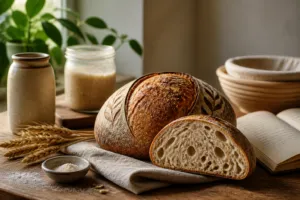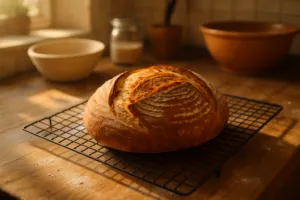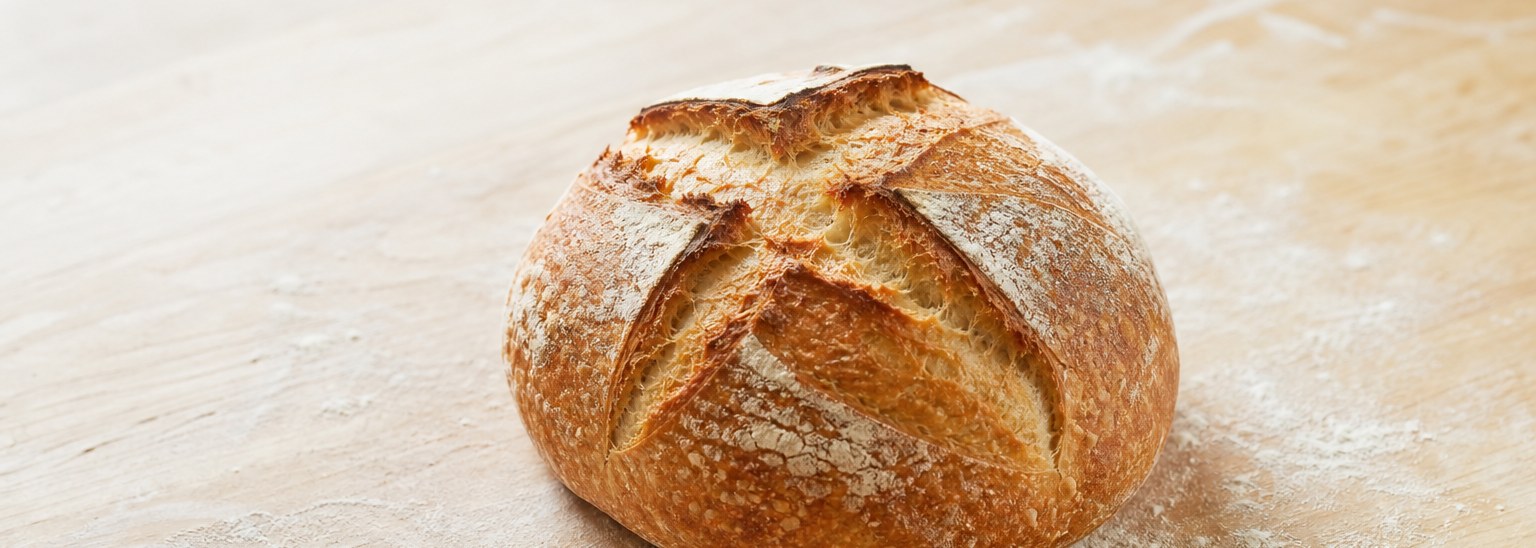
Warning: if bread has been wrecking your gut for years, sourdough might change the equation — but it won’t erase the risk entirely. A close friend of mine found that out the hard way, standing in my kitchen while I pulled a golden loaf out of the Dutch oven. She looked at it and said, almost sadly, “I wish I could eat that. Bread just destroys me.” No celiac diagnosis, just a doctor’s note about gluten sensitivity — and a total surrender to a bread-free life. That one comment sent me chasing down every scrap of research I could find on sourdough gluten sensitivity fermentation, trying to understand what’s really going on inside that bubbling jar of starter sitting on my counter. What I found genuinely shifted how I bake, and if anything, it made me love this hobby even more.
The Real Science Behind What Happens to Gluten in a Long Sourdough Ferment
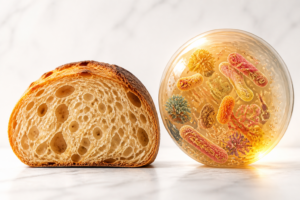
Here’s the part that reframed everything for me: sourdough isn’t simply bread with a sour kick. It’s an entire living process, powered by wild yeast and lactic acid bacteria (LAB), and those tiny organisms actively transform the flour — down to the gluten proteins themselves.
Gluten breaks down into two main proteins — gliadin and glutenin. In a standard commercial loaf, those proteins barely get touched, because store-bought yeast works at lightning speed: an hour or two of rising, then straight into the oven, with zero time for real protein breakdown. A properly built sourdough is a different story, especially with a long, cold ferment behind it — the lactic acid bacteria release proteolytic enzymes that slowly dismantle those gluten proteins. The slower and longer that fermentation runs, the more “pre-digesting” happens before the bread ever reaches your mouth.
A number of studies, including work published in food science journals, point to extended sourdough fermentation noticeably lowering the amount of immunoreactive gluten peptides — the very fragments known to set off discomfort in sensitive eaters. One study I found particularly striking showed that sourdough fermented past the 24-hour mark had dramatically fewer troublesome gliadin epitopes than typical yeasted bread. That’s a real difference, not a rounding error — and for anyone who’s struggled with loaf after loaf, it actually matters.
Sourdough Gluten Sensitivity Fermentation: How This Should Shape Your Baking
Before going any further, let me say this plainly: sourdough is not a safe option for anyone with celiac disease. Celiac is an autoimmune disorder, and even tiny gluten traces can cause real intestinal harm. If celiac is part of your life or your household, please defer to a gastroenterologist and stay with certified gluten-free products — full stop. What I’m covering here applies to non-celiac gluten sensitivity, a condition thought to affect roughly 6% of people, bringing on symptoms like bloating, brain fog, and exhaustion, without triggering the same autoimmune response celiac does.
If gluten sensitivity is your situation, here’s the practical lesson the research points toward: how long you ferment changes everything. Below is what’s actually worked for me, loaf after loaf, in my own kitchen:
- Start with a strong, mature starter. A well-fed, established starter is loaded with the lactic acid bacteria that do the protein-breaking work. A young or sluggish starter simply doesn’t carry that same enzymatic muscle.
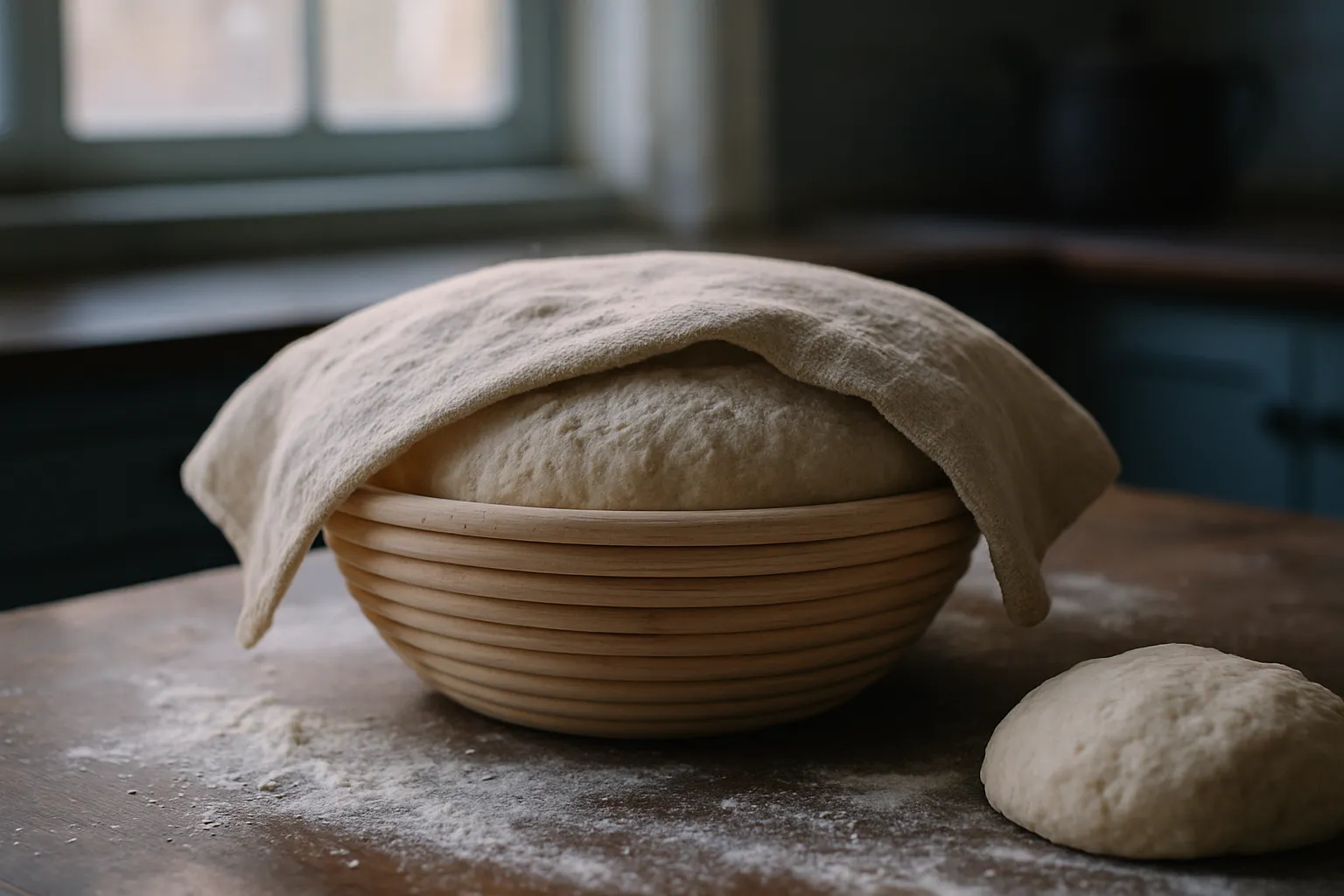
- Bulk ferment at room temperature for 4–6 hours, then move the dough into the fridge for a cold retard lasting at least 12–16 hours — for loaves meant for sensitive friends, I’ll often push it to a full 24, sometimes even 36 hours.
- Pull back hydration a touch when stretching fermentation times, so the dough doesn’t over-proof — this matters even more in a warm kitchen. Somewhere around 72–75% hydration is a good target once you’re pushing past the 24-hour mark.
- Pick your flour with intention. Older grain varieties like einkorn or spelt carry a different gluten makeup and tend to sit easier even before fermentation even starts — and they ferment wonderfully too.
- Take the bake all the way. Resist pulling the loaf out early. A fully baked sourdough gives the heat every chance to finish what fermentation began.
I didn’t build these habits overnight — it was a slow, loaf-by-loaf process of trial and error. These days, my friend can eat a slice of my 36-hour cold-retarded sourdough without the digestive trouble she used to get from grocery-store loaves. That result alone is enough to keep me baking.
Is Skipping Gluten Entirely the Better Move?
For some people, even a long, patient sourdough ferment doesn’t cut it, and cutting wheat gluten out completely becomes the only real option. I get that, and it’s actually pushed me to explore gluten-free sourdough baking on my own — because that same fermentation process still delivers incredible flavor and nutritional benefit, even in a gluten-free loaf.
Why Long Fermentation Alone Isn’t a Guarantee — and What to Keep on Hand for Sensitive Guests
For years I’ve operated on the belief that a slow, cold ferment breaks down enough gluten to make my bread gentler on sensitive stomachs — and it genuinely does help. But here’s the honest part: even a beautifully fermented sourdough still has gluten in it, and for someone with real sensitivity, that fact doesn’t disappear. So if you’re baking for a guest who’s wary of bread but still wants to try yours, it’s worth having some kind of enzyme backup on hand.
Where it delivers
- A vegan, pine-derived formula that feels legitimately clean — no vague filler ingredients that leave you wondering if you’re actually helping someone or just handing them false hope.
- It comes as a capsule, so your guest can take it quietly before the meal without announcing their digestive struggles to everyone at the table.
- Non-GMO with a simple ingredient list — if you’re the type who’s already patient enough to ferment a loaf for 18 hours, you’ll appreciate that this doesn’t feel like cutting corners chemically.
Where it falls short
- It’s not a fix or a promise — think of it as damage control, not a green light to serve regular bread to someone with actual celiac disease. Fine for mild sensitivity or bloating, but not a substitute for celiac-safe eating.
- Everyone’s body reacts differently, so results are hit-or-miss — something that works wonders for one guest might barely register for another, which can be discouraging when you’re just trying to be a decent host.
I’ll admit I doubted it the first time I passed a bottle to a friend, half-expecting she’d end up feeling worse after eating my bread anyway — but she came back and told me it actually made a real difference. If you’re baking for someone with gluten sensitivity and want to give them a genuine shot at enjoying it, look into MaryRuth’s Gluten Digestive Enzymes.
Frequently Asked Questions
How long should I cold retard sourdough for gluten sensitivity?
For loaves meant for gluten-sensitive friends, bulk ferment at room temperature for 4–6 hours, then move dough into the fridge for a cold retard lasting at least 12–16 hours. For maximum gluten breakdown, Sam often pushes it to a full 24, sometimes even 36 hours.
What hydration should I use for extended sourdough fermentation?
Pull back hydration a touch when stretching fermentation times, so the dough doesn’t over-proof. Around 72–75% hydration is a good target once you’re pushing past the 24-hour mark, especially in a warm kitchen.
Can sourdough be safe for people with celiac disease?
No. Sourdough is not a safe option for anyone with celiac disease. Celiac is an autoimmune disorder, and even tiny gluten traces can cause real intestinal harm. Defer to a gastroenterologist and stick with certified gluten-free products.
What grain varieties work well for gluten-sensitive sourdough?
Older grain varieties like einkorn or spelt carry a different gluten makeup and tend to sit easier even before fermentation starts—and they ferment wonderfully too.
About This Article

Written by Sam Whitaker. Sam Whitaker has been baking sourdough for over a decade, including three years baking commercially, and now works out of a home kitchen in the Pacific Northwest. Sam's eleven-year-old starter, Harold, is the foundation for every recipe and troubleshooting guide on Sourdough Rising — real bread tested over and over until it works. More about this site.
Scope and limits. Sam is a home baker with no formal culinary training. Follow current food safety guidance for storage and handling, particularly with enriched or filled doughs.
Verify this against a primary source
Specifics change, and your situation may differ from the one described here. These are the authorities worth checking directly:
- USDA FoodData Central — flour and ingredient composition data
- FoodSafety.gov — safe handling and storage