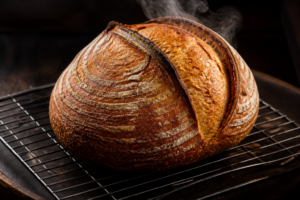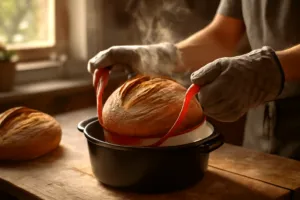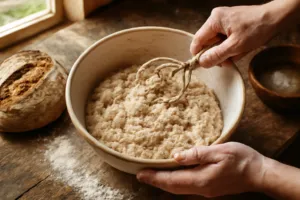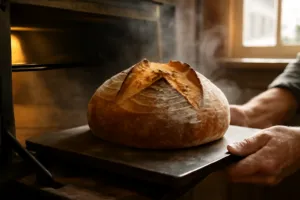
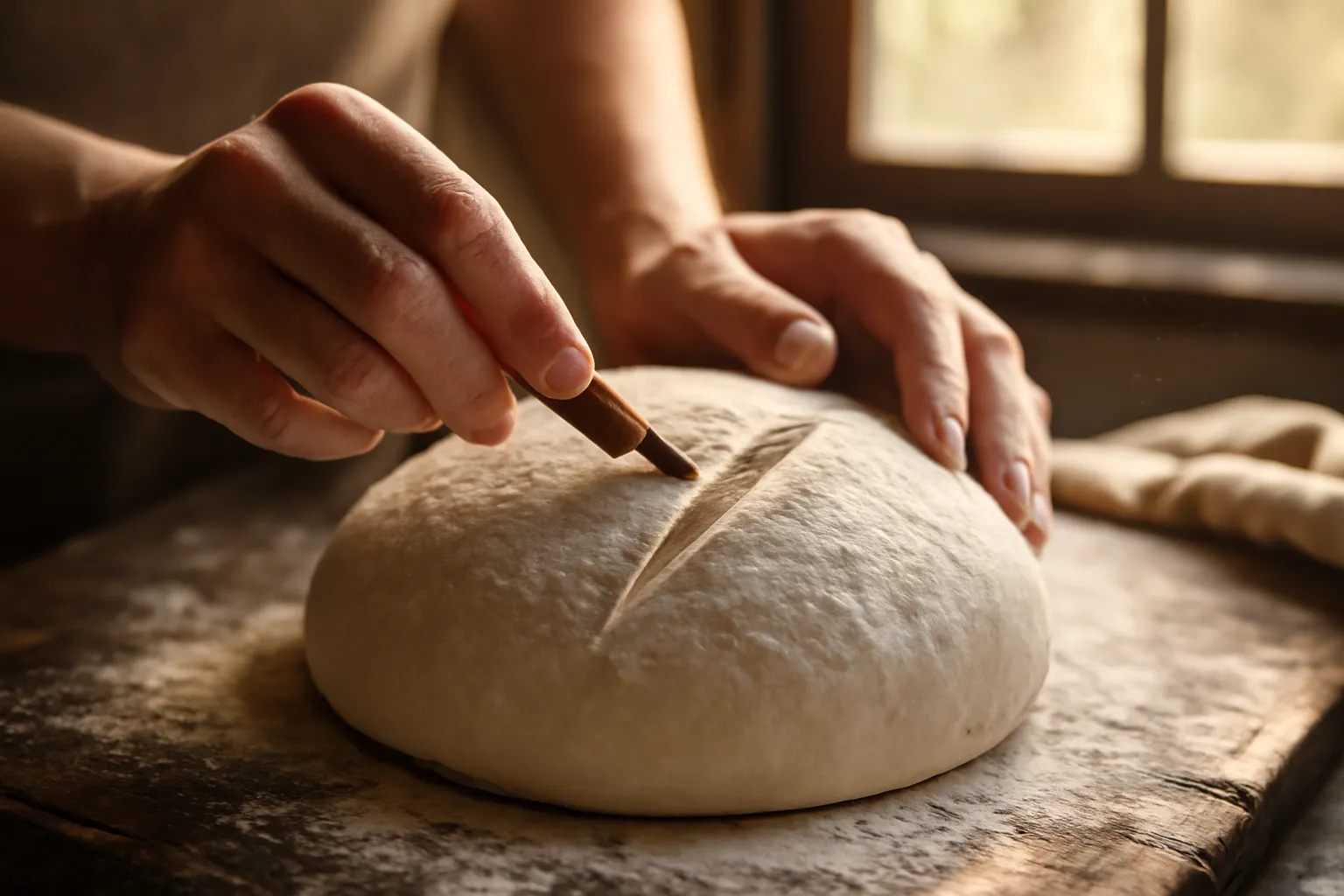
For the longest time, my sourdough loaves looked embarrassing on top. The crumb was decent. The flavor was there. But every time I scored the dough, the blade dragged, the cuts blew out sideways, and my carefully shaped boule ended up looking like it had been attacked rather than artfully slashed. I needed a real fix, so I started hunting for a proper bread lame. That search eventually led me to this Baker of Seville bread lame review — and honestly, it changed more than I expected.
I had been using a cheap razor blade stuck into a wooden chopstick. Seriously. It worked in a desperate, embarrassing kind of way. But as my bakes improved and I started caring more about ear development and scoring patterns, that DIY setup felt like a liability. I was getting inconsistent depth, no control over blade angle, and more than a few near-misses with my fingers. Something had to change.
After a few weeks of reading forums, watching YouTube scoring videos, and falling down the rabbit hole of bread tools, I finally pulled the trigger. Here is everything I learned after months of regular use.
Why I Chose the Baker of Seville Bread Lame
There are honestly more bread lames on the market than you would expect. Some are flimsy plastic handles with a single blade. Others are beautiful hand-carved wood tools that look stunning on a shelf. So why this one?
The feature that kept pulling me back was the patented dual-configuration design. Most lames lock you into either a straight blade or a curved blade — not both. The Baker of Seville lets you switch between straight and curved in seconds. That matters a lot for scoring variety. Straight blades work best for simple slash patterns on batards. Curved blades create the tension needed for a proper ear on a boule. Having both in one tool felt like a genuine advantage rather than a marketing gimmick.
The inclusion of six blades also caught my attention. Blade sharpness degrades faster than most beginners realize. A dull blade drags through the dough surface instead of gliding cleanly, and that kills your ear every time. Getting six blades upfront meant I could swap frequently without worrying about running out. That practical detail told me the designers actually baked.
Several bakers in sourdough communities specifically mentioned this tool holding up well over time. That kind of consistent, repeated praise from people who bake multiple times per week carried real weight for me.
The Blade That Finally Stopped My Scoring Drag
A dull or poorly angled blade turns what should be a confident slash into a slow drag across cold dough—and that’s when everything falls apart. A sharp, properly designed lame makes the difference between a controlled ear and a blown-out mess.
What works
- The blade glides through cold dough with almost no resistance—no more dragging or tearing the surface tension, which means cleaner, sharper ears every time.
- The handle gives you actual control and confidence; I can score at the angle I want without the blade rotating or slipping, so my cuts land exactly where I planned them.
- The blade stays sharp through dozens of loaves; I haven’t had to replace it yet, and it still cuts as cleanly as it did on my first bake.
What doesn’t
- The blade is exposed and sharp—there’s no sheath, so you have to be careful storing it or it’ll cut your hand (or your banneton cover).
- It’s not adjustable; you get one scoring angle, so if you like to vary your slash depth or style, you’re limited to what this blade geometry allows.
My first loaf with it, I was so nervous about the handle grip that I held it too tightly and my hand shook—but the blade did the work anyway, and the score came out perfect. That’s when I realized the tool does most of the heavy lifting for you. Baker of Seville Bread Lame
This post contains affiliate links. As an Amazon Associate, I earn from qualifying purchases at no extra cost to you.