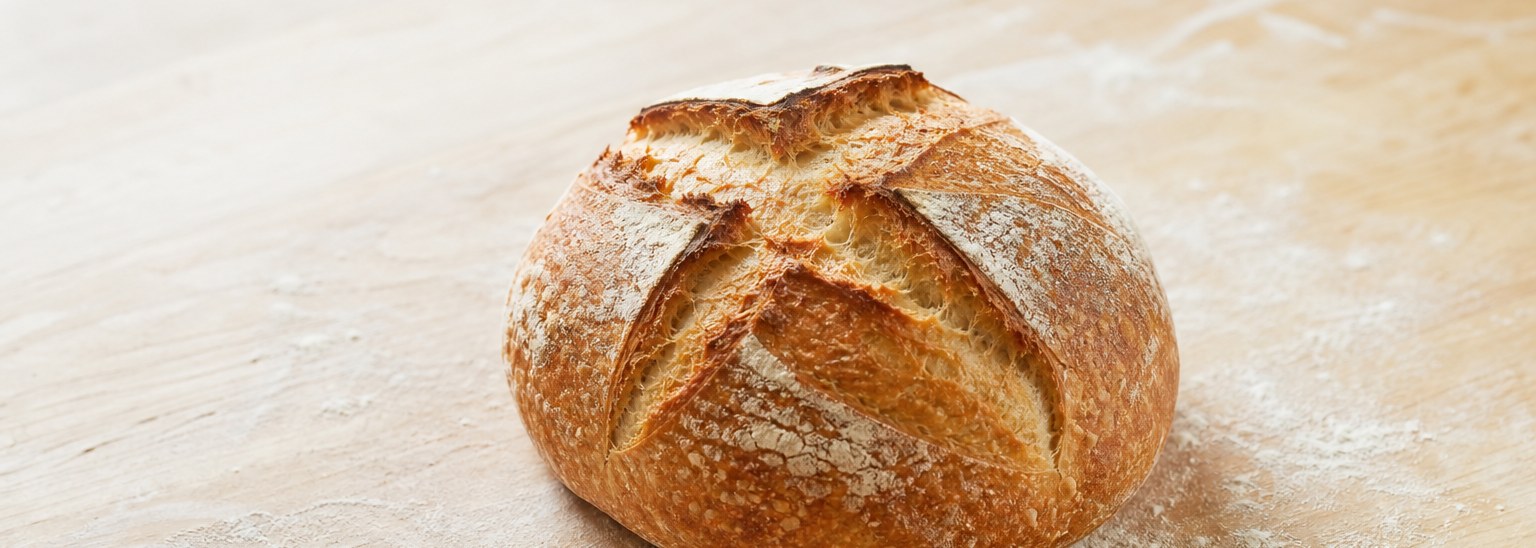
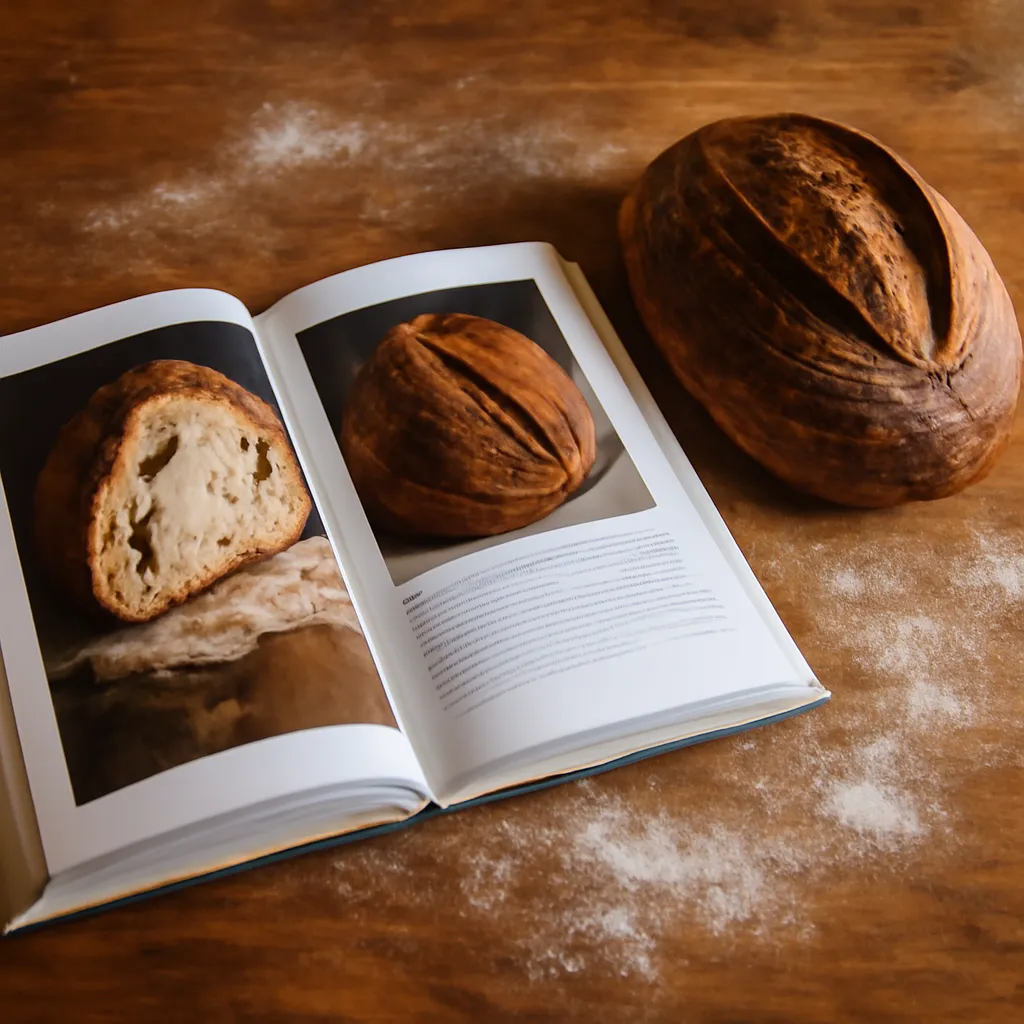
Tartine Bread isn’t just a cookbook. It’s a philosophy that quietly rewires how you think about fermentation, hydration, and what “done” actually means.
Chad Robertson’s masterpiece landed on my counter eleven years ago when I was still treating sourdough like a finicky science experiment. What struck me wasn’t the gorgeous photographs or the detailed hydration percentages—though both matter. It was the section on building confidence through observation rather than rigid timers.
Over a decade of home baking, three years running a microbakery, and hundreds of loaves later, I’ve learned which parts of Tartine actually changed my baking, which parts I’ve quietly abandoned, and which deserve the hype. That’s what we’re digging into today.
Why Tartine Bread Still Matters (and Where It’s Overstated)
Let’s be direct: Tartine Bread fundamentally shifted how serious home bakers approach sourdough. Robertson’s 80% hydration baseline and his emphasis on bulk fermentation timing rather than clock time opened doors that other books kept locked.
That said, the book carries some baggage modern bakers need to recognize. The techniques are rooted in the specific conditions of Tartine Bakery in San Francisco—cool ambient temperatures, consistent humidity, and professional equipment. Your kitchen isn’t that.
When I first followed the book’s bulk fermentation guidance religiously, I produced dense, underproofed loaves because my kitchen was ten degrees warmer than the bakery’s. In my experience, the Tartine method works best when you treat it as a framework, not gospel.
The Tartine Baseline: What Actually Transfers to Home Ovens
Robertson’s basic dough formula is where Tartine’s real value lives. The core recipe uses a 1:5:5 ratio—one part levain to five parts flour to five parts water by weight. That’s roughly 500g flour, 500g water, and 100g active levain for a standard loaf.
The hydration hovers around 75-80%, depending on your flour’s absorption. In my kitchen, with King Arthur bread flour, I land at 77%. However, if you’re using locally milled or freshly ground flour, that number shifts up. Specifically, I’ve needed to reduce water by 15-20g when working with high-extraction flours.
What makes this formula click is the relatively long, cool bulk fermentation. Robertson typically targets four to five hours at bakery temperature (around 78°F). As a result, gluten development happens gradually, flavor deepens, and you get those open, irregular crumbs that define Tartine’s signature.
Your ambient temperature matters enormously here. In summer, when my kitchen hits 76-78°F, I follow Tartine timings almost exactly. During winter, with the heat on and temps around 70°F, I add 45 minutes to an hour. On the other hand, if you’re somewhere warm year-round, you might shorten the window by 30 minutes.
The Levain: Where Tartine’s Method Reveals Its Genius
Robertson’s approach to the levain—the “liquid leaven” or pre-ferment—genuinely changed my game. Instead of mixing your mother culture directly into the dough, Tartine asks you to build a fresh levain four to eight hours before mixing.
The typical formula is equal parts starter, flour, and water by weight. For example, I mix 50g active starter, 50g bread flour, and 50g water to make 150g of levain. Temperature and timing determine when it’s ready: at 75°F, it peaks around six hours with a doubling or slight triple in volume.
This matters because using levain at its peak—not your starter straight from the fridge—gives you a massive advantage. The yeast and bacteria are in their most active window. As a result, your dough rises more predictably, and you need less overall starter to achieve the same fermentation.
In my microbakery days, this was non-negotiable. Using levain at peak meant I could make consistent bread without constantly adjusting ratios based on how active my starter was feeling that day. For example, weak winter starter? Peak levain still performs.
Building Gluten Without Over-Handling
Tartine’s mixing method is minimal by modern standards. Robertson mixes the dough, then lets it rest (autolyse) for 25 minutes before adding salt and water. The entire mix takes less than ten minutes of hand work.
This runs counter to what you might see in commercial bakeries or newer sourdough books advocating aggressive hand-mixing. However, Tartine’s logic holds: gluten develops during bulk fermentation through the stretching and folding process, not in the mixer.
Robertson’s bulk fermentation typically includes four to six “stretches and folds” performed at 30-minute intervals during the first two hours. You’re basically grabbing the dough from one side, stretching it up and over itself, rotating the bowl, and repeating from all four sides.
Specifically, you do this in four motions—one from each cardinal direction—then rest. Over those two hours, your dough goes from shaggy and loose to a cohesive, billowing mass. In my experience, this method produces superior oven spring compared to heavy mixing because the gluten matrix remains extensible rather than tight.
Timing, Temperature, and the Bulk Fermentation Window
This is where Tartine gets real, and where most home bakers stumble. Robertson’s book emphasizes “ferment until the dough increases 50% in volume” rather than “ferment for four hours.”
The distinction matters fundamentally. A 50% rise at 75°F takes roughly four hours. At 70°F, it takes five to six. At 80°F, you’re looking at three to three-and-a-half. One of the biggest mistakes I made early on was ignoring this—I’d follow the four-hour timeline regardless of kitchen temperature and end up with dough that was either underbulked or overbulked.
To assess correctly, use your eyes and hands. The dough should feel airy and alive, with visible bubbles at the surface. If you poke it gently, the dimple should spring back slowly—not immediately, not never. That tactile feedback is more reliable than any chart.
After bulk fermentation, you shape and let the dough cold-proof in the fridge for 8-24 hours. Tartine typically recommends overnight cold retard. In my practice, that 12-16 hour window produces the most complex flavor and the most predictable oven spring when you bake cold.
Shaping and Scoring: Where Tartine’s Precision Matters
Robertson’s shaping technique uses a specific two-stage method. First, you do a pre-shape—a gentle fold that builds just enough surface tension. Then, after 25 minutes of bench rest, you do a final shape that seals the seam firmly enough to hold during the proof.
The scoring also reflects Tartine’s philosophy. Robertson uses a curved cut—a trademark slash that’s roughly two inches long at a 45-degree angle. It’s functional: it controls where the dough expands during the oven spring. It’s also become instantly recognizable to anyone familiar with the bakery’s loaves.
Specifically, you want to cut at least a quarter-inch deep and move with confidence. A timid score will close up during baking. A too-shallow cut won’t open dramatically. In my microbakery, we scored cold dough straight from the fridge with a sharp blade, which produced the cleanest ears.
Baking Temperature and Equipment Reality
Tartine Bakery uses a deck oven with steam injection—professional equipment that maintains 450°F and saturates the chamber with steam for the first 15 minutes of baking. Home ovens can’t replicate this exactly.
What you can do is get close. I use a Lodge Combo Cooker (a Dutch oven specifically designed for bread baking) preheated to 500°F. You place the cold, scored dough inside, cover it, and bake for 20 minutes. Then you remove the lid and bake another 25-30 minutes until golden brown.
The Lodge Combo Cooker’s design creates the steam environment Tartine’s method depends on. The trapped moisture during the first phase allows the dough to expand freely before the crust sets. As a result, you get that dramatic, open crumb and dark mahogany crust that Robertson’s loaves are known for. When I ran my microbakery, this was genuinely the most reliable tool I found for home oven replication.
Frequently Asked Questions
What is the basic Tartine dough formula for one loaf?
The core recipe uses a 1:5:5 ratio by weight: one part levain to five parts flour to five parts water. For a standard loaf, that’s roughly 500g flour, 500g water, and 100g active levain, with hydration hovering around 75-80% depending on your flour’s absorption.
How long should bulk fermentation take at different temperatures?
Tartine targets 50% volume increase rather than clock time. At 75°F, that’s roughly four hours. At 70°F, it takes five to six hours. At 80°F, you’re looking at three to three-and-a-half hours. Sam extends by 45 minutes to an hour in winter and shortens by 30 minutes in warm climates.
How do I know when my levain is ready to use?
Levain peaks when it doubles or slightly triples in volume at the right temperature. At 75°F, it typically peaks around six hours. Using levain at its peak—when yeast and bacteria are most active—gives you more predictable dough rise and requires less overall starter.
What oven temperature and method does Sam use for baking?
Sam uses a Lodge Combo Cooker preheated to 500°F. The cold, scored dough bakes covered for 20 minutes, then uncovered for 25-30 minutes until golden brown. This Dutch oven method creates the steam environment Tartine’s method depends on for open crumb and dark crust.
I nearly returned it after my first attempt ended in a dense, gluey disaster — I’d misread the fermentation window and panicked — but I pushed through those early failures and something clicked around loaf five.
Temperature management is critical. If your oven doesn’t hold temperature when you open the lid, you’ll underscore the bake. Specifically, I use an oven thermometer to verify actual temperature rather than trusting the dial. Many home ovens run 25-50°F cooler than they claim.
Tartine’s dough bakes at higher heat than many other sourdough methods—typically 450-475°F. This aggressive heat, combined with extended steam, produces the bakery’s signature thin, shattering crust. However, if your oven temperature drifts or your steam setup is weak, that same high heat can burn the bottom before the crumb sets.
Adapting Tartine for Your Actual Kitchen
Here’s where I’ll be honest: following Tartine precisely will frustrate you if you don’t account for your specific conditions.
Start with the framework. Use the 1:5:5 ratio and the peak levain approach. Perform the stretches and folds, watch for 50% volume increase, and cold-proof overnight. These core elements are robust across different kitchens.
Then adapt. If your kitchen is warmer than 75°F, shorten bulk by 30 minutes and watch the dough, not the clock. If cooler, extend by that same increment. If your oven runs hot, lower the initial temperature by 25°F. If it’s inconsistent, dial back to 425°F with the lid on for 25 minutes instead of 20.
For example, during my first summer baking in the microbakery, I was puzzled why my dough overproofed in four hours when Tartine said four hours was perfect. Then I checked the ambient temp: 80°F, not 75°F. I reduced bulk to three-and-a-half hours, and suddenly my crumb opened up correctly.
The Crumb You’re Actually Seeking
Tartine bread is defined by open, irregular crumbs with some thick walls and some delicate cavities. It’s not the uniform, tight crumb of sandwich bread, and it’s not the massive, gaping holes of ultra-high-hydration doughs.
Achieving that balance requires three things working together: proper fermentation (long and cool), good gluten development (through stretches and folds, not over-mixing), and adequate proofing without overproofing (the cold retard buys you a massive window of flexibility).
When your dough is properly fermented, the gluten has strength to hold gas during the oven spring, but extensibility lets those bubbles expand into irregular shapes. Underproofed dough won’t open up. Overproofed dough will collapse. Robertson’s method creates a sweet spot where both are hard to hit.
The Tartine Philosophy Beyond the Recipe
If I’m honest, the specific recipe in Tartine Bread is less transformative than the mindset Robertson teaches. He emphasizes observation, restraint, and letting fermentation do the heavy lifting rather than forcing outcomes through technique alone.
This philosophy extends beyond the basic loaf. Tartine’s approach to whole-grain incorporation, enriched doughs, and even focaccia-style breads all stem from that core principle: understand your ingredients, understand your fermentation, then trust the process.
That’s why the book still matters after a decade of sourdough evolution. Newer books have refined the science. Blogs have offered faster methods. Social media has popularized high-hydration, highly extensible doughs. But Tartine’s balance of simplicity, reproducibility, and flavor remains a legitimate North Star for home bakers.
Final Thoughts: Is Tartine Bread Worth Your Time?
If you’re starting sourdough, Tartine Bread is genuinely worth owning. The writing is clear, the photographs are beautiful, and the method is sound. Specifically, the levain approach and bulk fermentation philosophy will serve you well regardless of which recipe you ultimately land on.
If you’re already baking and experimenting with other methods, Tartine offers perspective. Even if you don’t adopt the full approach, understanding Robertson’s logic will make you a more intentional baker.
The caveat: treat it as a framework, not dogma. Your kitchen isn’t Tartine Bakery. Your oven isn’t a deck oven. But the principles translate. Adapt, observe, and let your actual fermentation guide you rather than a timer. That’s the real lesson Tartine teaches.
About This Article

Written by Sam Whitaker. Sam Whitaker has been baking sourdough for over a decade, including three years baking commercially, and now works out of a home kitchen in the Pacific Northwest. Sam's eleven-year-old starter, Harold, is the foundation for every recipe and troubleshooting guide on Sourdough Rising — real bread tested over and over until it works. More about this site.
Scope and limits. Sam is a home baker with no formal culinary training. Follow current food safety guidance for storage and handling, particularly with enriched or filled doughs.
Verify this against a primary source
Specifics change, and your situation may differ from the one described here. These are the authorities worth checking directly:
- USDA FoodData Central — flour and ingredient composition data
- FoodSafety.gov — safe handling and storage