- Dutch oven: Best overall results, easiest setup, most consistent steam. Ideal for beginners and experienced bakers alike. Use the Umite Chef 5QT for a well-priced, beautiful option in cream, red, or green.
- Combo cooker: Best for easy dough loading, especially with high-hydration loaves. Use parchment always.
I want to tell you about the day I set off my smoke alarm three times before 8am, stood in my kitchen waving a dish towel at the ceiling, and somehow ended up baking the most beautiful loaf of sourdough I had ever made in my life. That morning was my official deep dive into sourdough steam methods dutch oven style, and honestly, it changed everything about how I bake bread.
This post contains affiliate links. As an Amazon Associate, I earn from qualifying purchases.
If you have spent any time in the sourdough rabbit hole, you already know that steam is not optional. It is the whole secret. Steam keeps the crust soft and pliable during the first critical minutes of baking so the loaf can expand fully before the crust sets. Without it, you get a tight, dense crumb and a crust that looks like it gave up halfway through. The problem is that home ovens are terrible at trapping steam, which is why bakers have come up with all sorts of creative workarounds. I decided to test three of the most popular methods back to back so you do not have to spend a smoky Saturday morning doing it yourself. You are welcome.
Why Steam Matters So Much in Sourdough Baking
Before I get into the methods, let me quickly explain the science so the rest of this makes sense. When sourdough hits a hot oven, a few things happen at once. The yeast and bacteria go into overdrive in what bakers call oven spring, the dough expands rapidly, the gases inside push outward, and the score you made on top acts as a release valve. For all of that to work beautifully, the outer surface of the dough needs to stay moist and stretchable for roughly the first 15 to 20 minutes of baking. Steam does exactly that. Once you remove the steam source and let the dry heat take over, the crust browns, crisps, and sets into that gorgeous mahogany shell we are all chasing.
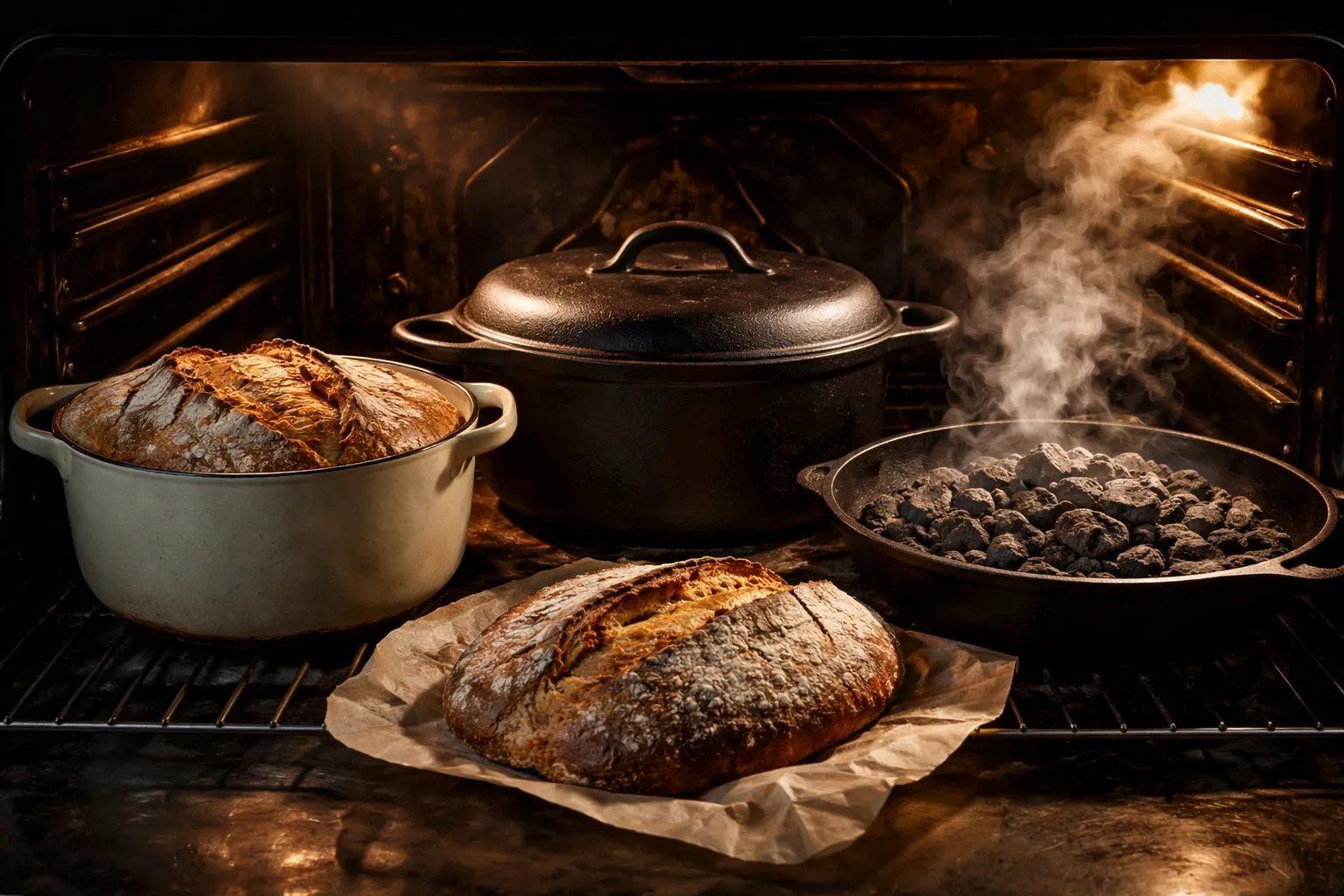
The three methods I tested were a classic enameled cast iron dutch oven with the lid on, the Lodge combo cooker with the dough baked in the skillet lid, and a baking stone paired with a tray of lava rocks and boiling water poured in at the start. Each one has its fans and its critics. I am here to give you my completely honest, slightly chaotic take.
My Gear: What I Used to Test Sourdough Steam Methods Dutch Oven and Beyond
Let me introduce the cast of characters before I describe the carnage.
- Umite Chef 5QT Enameled Cast Iron Dutch Oven in Cream White — gorgeous, heavy, and the one I now use for almost every bake. It comes with cotton potholders which, as you will see shortly, I desperately needed.
- Umite Chef 5QT Enameled Cast Iron Dutch Oven in Red — same workhorse pot in a bold color if you want something that looks as good on the table as it performs in the oven.
- Umite Chef 5QT Enameled Cast Iron Dutch Oven in Green — the forest green version that would make an absolutely stunning gift for any baker on your list.
- Lodge Cast Iron Combo Cooker — a PFAS-free 2-in-1 set with a deep pot and a 10.25-inch skillet. Beloved by sourdough bakers everywhere. Made in the USA.
- Lodge Cast Iron Double Dutch Oven — the 5-quart pot and skillet combo that doubles as both a baking vessel and an everyday workhorse. Incredibly versatile.
Now. About those smoke alarms.
The Lava Rock Disaster (and What I Learned From It)
I started my testing day with the lava rock method because I had seen it all over YouTube and felt very professional setting it up the night before. I placed a cast iron skillet on the bottom rack, filled it with lava rocks, preheated everything to 500 degrees Fahrenheit with a baking stone on the middle rack, and felt enormously smug about the whole operation. Then I poured in a cup of boiling water. A massive cloud of steam billowed out, I slid my dough onto the stone, and shut the door feeling like an artisan baker in a Parisian bakery.
What I had not accounted for was the fact that a few stray drops of water hit the bottom of my oven. By the time I peeled around the 12-minute mark, smoke was pouring out, the alarm was screaming, and my dog had retreated to the farthest corner of the house. First alarm down. I fanned the detector, calmed the dog, and moved on.
The honest verdict on lava rocks: the oven spring was decent, but controlling the steam is tricky and the mess factor is real. Water can crack a cold baking stone if you are not careful, and the steam dissipates faster than you might expect if your oven has good ventilation. It works, but it requires more setup and more vigilance than I personally want to manage before my morning coffee.
The Combo Cooker Method: Clever but a Little Awkward
For round two I preheated the Lodge Cast Iron Combo Cooker with the deep pot on top and the skillet face up on the bottom. The idea is that you load your dough into the shallow skillet, which makes scoring and transferring much easier since you are not dropping dough into a deep pot, and then you place the deep lid over the top to trap steam. It is genuinely clever design and I can see why so many bakers swear by it.
My issue was that the skillet is bare cast iron, and even with a good preheat, my loaf stuck slightly on one side coming out. A piece of parchment paper would have solved this completely, and I actually recommend always using parchment with this method just to protect the bottom crust and make transfer stress-free. Once I figured that out on a follow-up bake, the results were excellent. The oven spring was beautiful, the ear I scored stood up proud, and the crust had that deep caramel color I love.
The combo cooker is especially great if you struggle with maneuvering dough from a proofing basket into a deep pot. Lower walls mean less chance of a fumble. Highly recommend it as part of your toolkit even if it is not your primary vessel.
The Dutch Oven Method: The Clear Winner (and the Smoke Alarm Count Reaches Three)
By the time I got to testing the Umite Chef Dutch Oven, I had already triggered the alarm twice, once with the lava rocks and once when I forgot I had left a small piece of parchment hanging over the edge of the combo cooker skillet. That little piece caught just enough heat to smolder and set off alarm number two. My dog was now fully resigned to his fate.
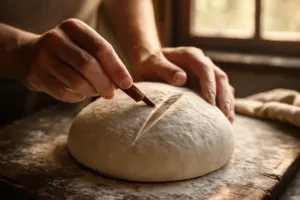
For the dutch oven bake, I preheated the pot with its lid on at 500 degrees Fahrenheit for a full 45 minutes. I dropped my cold, proofed dough straight from the refrigerator into the hot pot using a parchment sling, scored it quickly, snapped the lid on, and put it back in the oven. Twenty minutes covered at 500, then the lid came off, temperature dropped to 450, and another 20 to 25 minutes of uncovered baking until the crust was deeply golden.
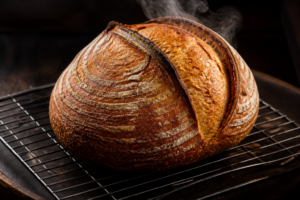
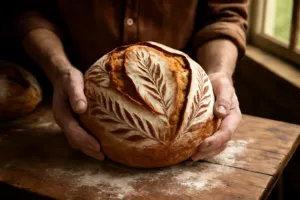
The third smoke alarm? I opened the oven door to check the color at the 35-minute mark and a puff of fragrant steam hit the detector above the stove. It went off for approximately four seconds before I waved it quiet. At that point I started laughing out loud alone in my kitchen, because the loaf I pulled out five minutes later was honestly the best one I had made all year. Tall, blistered, crackly, with an ear that curved up like a crescent moon. The crumb was open and chewy and the crust shattered when I tapped it.
The dutch oven wins because it creates a completely self-contained steam environment. The moisture coming off the dough itself is trapped by the heavy lid, which means you never have to add water or worry about steam escaping. It is the most forgiving and most consistent method available to a home baker, and it requires zero special setup beyond the pot itself.
Quick Comparison: Which Sourdough Steam Method Is Right for You?
- Dutch oven: Best overall results, easiest setup, most consistent steam. Ideal for beginners and experienced bakers alike. Use the Umite Chef 5QT for a well-priced, beautiful option in cream, red, or green.
- Combo cooker: Best for easy dough loading, especially with high-hydration loaves. Use parchment always.