Table of Contents
- Introduction: The Sourdough Deception Down Under
- What is ‘Sourfaux’? Unmasking the Imposters on Aussie Shelves
- Your Sourfaux Detection Kit: How to Identify Genuine Sourdough
- The Real Deal: Unpacking the Health Benefits of Authentic Sourdough
- A Consumer’s Guide to Buying Genuine Sourdough in Australia
- Conclusion: Become a Sourdough Savvy Consumer
Introduction: The Sourdough Deception Down Under
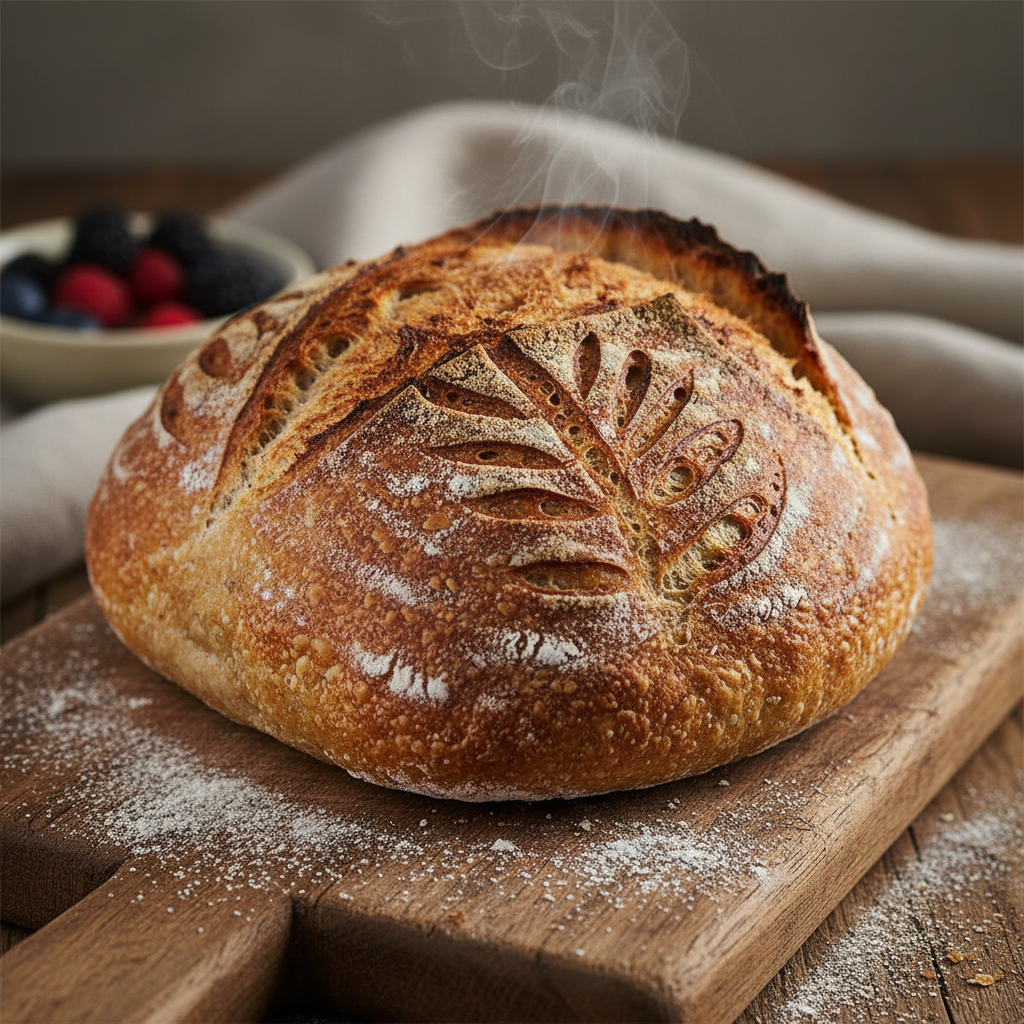
Walk down any Australian high street or supermarket aisle, and you’ll see it: the rustic, flour-dusted allure of sourdough bread. It has become a symbol of wholesome, artisanal eating, draped in a ‘health halo’ that promises better digestion, improved gut health, and a more natural alternative to standard processed loaves. Aussies have fallen in love with its tangy flavour and chewy texture, making it a staple in cafes and kitchens from Perth to Paddington.
But there’s a problem lurking beneath that golden crust. A growing number of loaves masquerading as authentic sourdough are anything but. This is the ‘sourfaux’ deception: industrially produced bread that uses shortcuts and additives to mimic the taste and appearance of the real thing, without offering any of its unique health benefits. If you’re paying a premium for sourdough because you believe it’s a healthier choice, you deserve to get what you pay for.
Don’t just take our word for it. A groundbreaking study from the University of New South Wales (UNSW) sent shockwaves through the baking world. Researchers found that a staggering 83% of supermarket breads labelled ‘sourdough’ were not made using the traditional method. Instead, they contained additives like commercial yeast or acidifiers to speed up the process and fake the classic sour taste.
The good news? You don’t have to be a food scientist to spot the fakes. This guide is your ultimate sourfaux detector. We’ll arm you with the knowledge to read labels like a pro, identify the tell-tale signs of a genuine loaf, and understand why making the switch is one of the best things you can do for your health.
What is ‘Sourfaux’? Unmasking the Imposters on Aussie Shelves
At its core, ‘sourfaux’ is a clever marketing trick. It’s bread that leverages the good name of sourdough but is produced using industrial methods. True sourdough relies on a slow, natural fermentation process powered by a ‘starter’—a living culture of wild yeast and friendly bacteria. Sourfaux skips this crucial, time-consuming step, opting for quick fixes instead.
When you flip over a loaf of sourfaux, the ingredient list tells the whole story. Instead of a simple, clean list, you’ll find a cocktail of modern baking additives designed to cheat time and chemistry. Key culprits include:
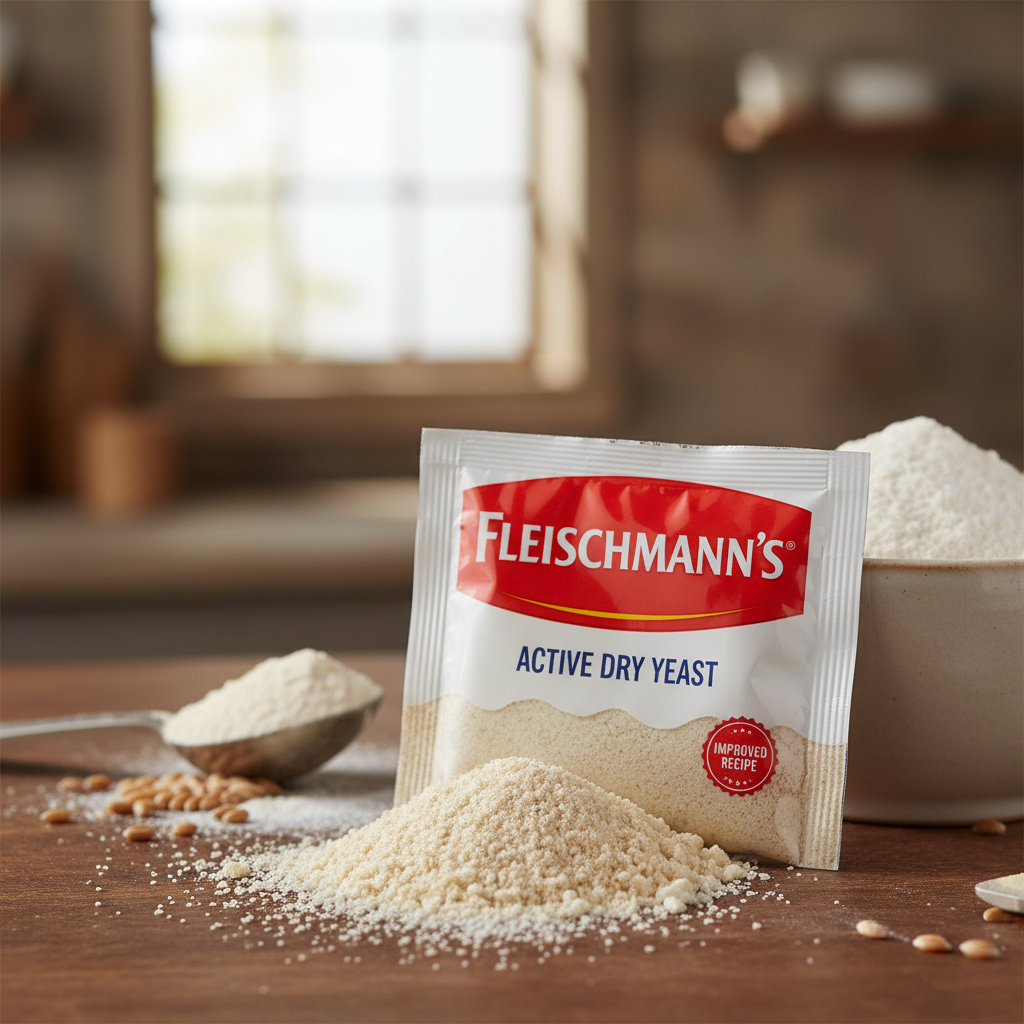
- Commercial Yeast (Baker’s Yeast): This is the biggest red flag. It rapidly inflates the dough, cutting fermentation time from days to mere hours, but bypasses the health-giving work of the wild sourdough cultures.
- Acids (e.g., Ascorbic Acid, Acetic Acid): These are added to mimic the tangy flavour of a long, slow ferment without actually doing the work.
- Sourdough Powders: A dehydrated, often inactive powder used for flavouring, not leavening.
- Emulsifiers & Stabilisers: These create a soft, uniform, and artificially long-lasting crumb, unlike the beautifully irregular texture of a real sourdough.
- Preservatives: Added to extend shelf life, something a naturally acidic, authentic sourdough doesn’t need.
Part of the problem is a lack of clear rules. In Australia, there is no legally protected definition of ‘sourdough’. This means manufacturers can legally label a product as sourdough even if it contains baker’s yeast and other additives. This is in stark contrast to countries like France, where the ‘Décret Pain’ of 1993 strictly regulates the term ‘pain de tradition française’, ensuring it’s made without additives and undergoes a traditional fermentation process.
The motivation behind sourfaux is simple economics. Time is money. A traditional sourdough can take 24 to 72 hours to make. Using commercial yeast and additives, a manufacturer can produce a lookalike loaf in under three hours. This dramatically increases output, reduces labour costs, and results in a product that stays ‘soft’ on the shelf for longer, reducing waste and maximising profit.
Your Sourfaux Detection Kit: How to Identify Genuine Sourdough
The Golden Rule: Always read the ingredient list. Forget the fancy packaging and buzzwords on the front. The truth is always on the back. The ingredients list is non-negotiable and legally required to be accurate. It’s your single most powerful tool for unmasking sourfaux.
An authentic sourdough loaf is a testament to beautiful simplicity. It should only ever contain three core ingredients:
- Flour (often with a mention of wholemeal, rye, or spelt)
- Water
- Salt
Sometimes you might also see ‘sourdough starter’ or ‘levain’ listed, which is perfectly fine—that’s simply the pre-fermented mixture of flour and water that leavens the bread.
Scan the ingredients for these imposters. If you see any of them, put the loaf back on the shelf.
- [ ] Yeast / Baker’s Yeast
- [ ] Vinegar or Acetic Acid
- [ ] Ascorbic Acid (unless it’s a natural component of the flour)
- [ ] Sourdough Powder / Dried Sourdough
- [ ] Emulsifiers (e.g., E471, E472e)
- [ ] Preservatives (e.g., Calcium Propionate)
- [ ] Any form of sugar, oil, or milk solids (unless it’s a specialty loaf like a brioche)
Once you’ve passed the ingredient test, you can use your senses to confirm you’ve got the real deal.
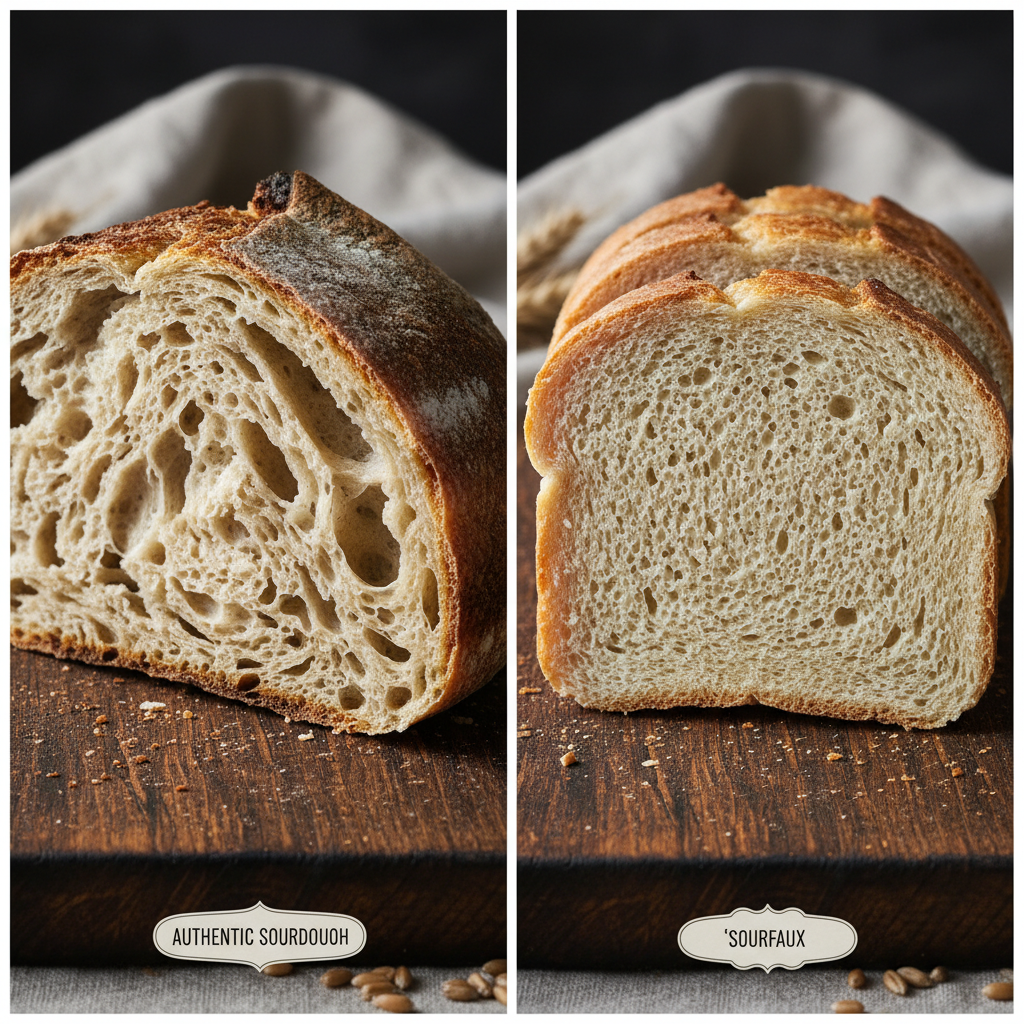
- The Crust: It should be thick, deep brown (not pale yellow), and almost crackly. When you press it, it should feel robust, not soft and spongy.
- The Crumb: This is the interior of the loaf. Look for an open, waxy, and irregular structure with holes of varying sizes. Sourfaux often has a tight, uniform, and cake-like crumb, similar to standard sandwich bread.
- The Aroma: A genuine sourdough has a complex, slightly tangy, and deeply wheaty aroma. It smells alive and flavourful. Sourfaux often smells bland or has a one-dimensional, artificial sourness from added vinegar.
The Real Deal: Unpacking the Health Benefits of Authentic Sourdough
The secret to sourdough’s health benefits lies in its long, slow fermentation. The sourdough starter is a symbiotic culture of wild yeasts and beneficial bacteria (primarily Lactobacillus). Over many hours, these microorganisms get to work, transforming the simple dough into a nutritional powerhouse.
This is where true sourdough shines. The long fermentation process acts as a form of ‘pre-digestion’.
- Gluten Breakdown: The bacteria help to break down some of the gluten proteins that can be difficult for people to digest. This is why some individuals with non-celiac gluten sensitivity find they can tolerate true sourdough.
- Phytic Acid Neutralisation: Phytic acid, present in the bran of whole grains, can bind to minerals like iron, zinc, and magnesium, preventing their absorption. The lactobacilli in sourdough starter produce an enzyme that neutralises phytic acid, making these vital nutrients more bioavailable to your body.
The fermentation process alters the carbohydrate structure of the bread. The organic acids produced by the bacteria slow down the rate at which starches are broken down into sugars and absorbed into the bloodstream. This gives authentic sourdough a lower Glycemic Index (GI) compared to conventional bread, leading to a more stable rise in blood sugar levels and sustained energy.
To maximise the benefits, choose a sourdough made with whole grain flours like whole wheat, spelt, or rye. This combines the power of fermentation with the natural fibre, vitamins, and minerals found in the entire grain kernel, making it one of the most nutritious and satisfying breads you can eat.
A Consumer’s Guide to Buying Genuine Sourdough in Australia
Your best bet for finding the real deal is to bypass the big supermarkets and support local.
- Artisan Bakeries: Dedicated bakers who are passionate about their craft are almost always using traditional methods. They are proud of their process and will happily talk about it.
- Farmers’ Markets: These are fantastic hubs for genuine food producers. Look for the stall with a line of customers and beautiful, rustic-looking loaves.
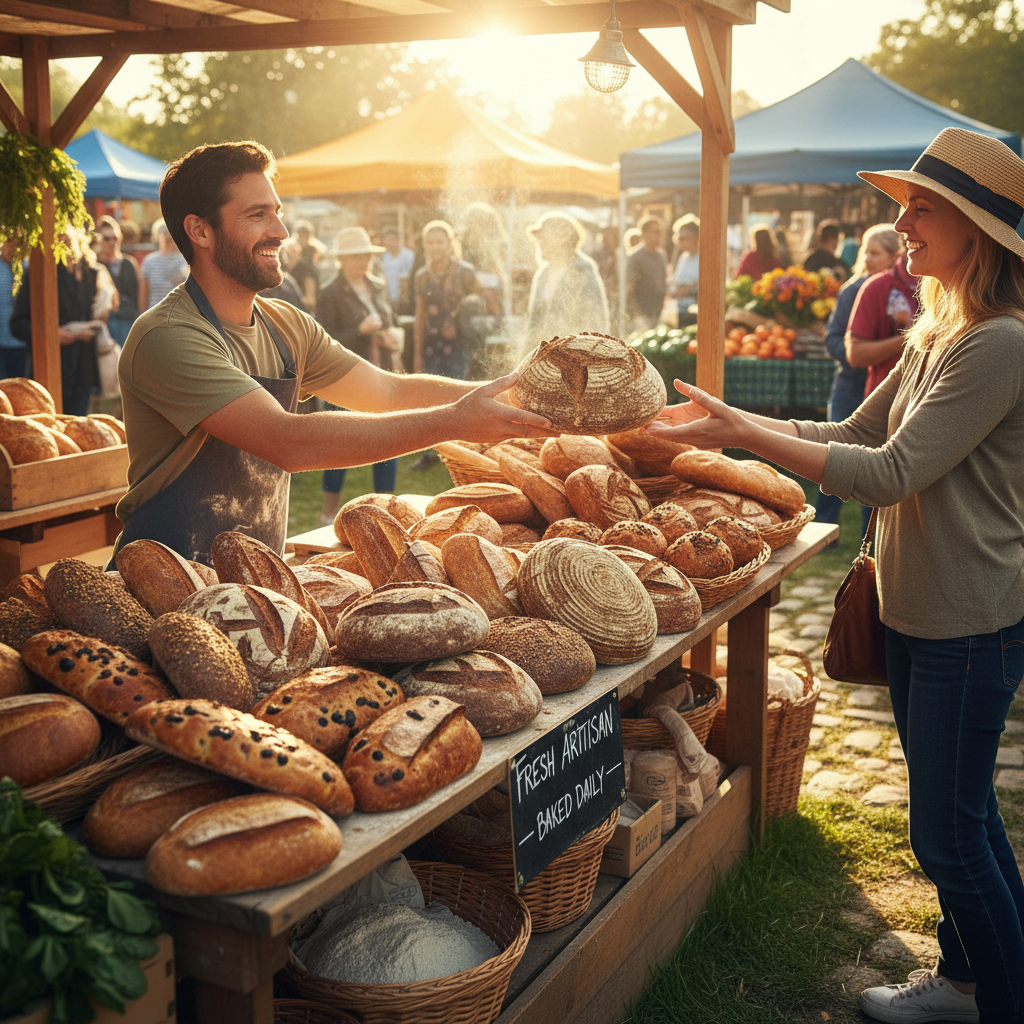
Don’t be shy! A passionate baker will love answering your questions. Here are a few to ask:
“Do you use any commercial yeast in your sourdough?” (The answer should be a firm no).
“How long is your fermentation process?” (Look for answers in the range of 18-72 hours, not 2-3 hours).
“What’s in your starter?” (It should just be flour and water).
While most supermarket options are sourfaux, some genuine brands are starting to appear. Head to the chilled artisan or in-store bakery sections. Be a detective: ignore the front label, pick up the loaf, and read the ingredient list meticulously. If it passes the “flour, water, salt” test, you might have found a winner.
Conclusion: Become a Sourdough Savvy Consumer
We’ve pulled back the curtain on the ‘sourfaux’ deception. You now know that most supermarket sourdough isn’t what it claims to be, and you’re armed with the tools to spot the difference. Remember the golden rule: read the ingredients. Look for flour, water, and salt. Appreciate the health benefits—from improved gut health to better nutrient absorption—that only come from the slow, natural fermentation of authentic sourdough.
By choosing real sourdough, you’re doing more than just buying a loaf of bread. You’re investing in your health, voting with your dollar for transparent food production, and supporting the local artisans who preserve the ancient craft of baking. You are now a sourdough savvy consumer.
Now it’s over to you! Do you have a favourite local bakery in Australia that makes incredible, authentic sourdough? Give them a shout-out in the comments below! Have you spotted a particularly sneaky ‘sourfaux’ on the shelves? Share a photo and help your fellow bread lovers
What I Recommend
If you’re serious about knowing whether your sourdough — homemade or store-bought — is the real deal, pH test strips designed for sourdough are a genuinely useful tool to have on hand. True sourdough fermentation drives the pH down into that acidic range (typically 3.5–4.5), and if a loaf claiming to be sourdough isn’t hitting those numbers, it hasn’t gone through proper fermentation — full stop. I keep a pack in my kitchen and honestly, once you start testing, it’s hard to go back to just taking a label at face value.
If the whole “sourfaux” problem has you wanting to just bake your own bread and know exactly what’s in it, getting a proper glass sourdough starter container is the best first step you can take. A dedicated jar with clear markings makes it easy to track your starter’s rise and fall — which is exactly how you learn what a genuinely active, healthy ferment looks like. Once you’ve seen real fermentation bubbling away in your own kitchen, you’ll never be fooled by a supermarket imitation again.
One thing most people don’t realise is that temperature is the single biggest variable in whether your sourdough ferments properly — and it’s the same reason commercial “sourdough” shortcuts exist in the first place. A reliable sourdough thermometer takes the guesswork out of it and helps you understand the fermentation process on a deeper level. When you know your dough temperature, you know your fermentation timeline — and that’s the knowledge that separates real sourdough from the stuff being passed off as the real thing on Australian supermarket shelves.
If you want to really understand the science behind why genuine long-fermented sourdough is so different — nutritionally and digestively — from the fast-faked versions, I’d point you straight to the Sourdough Science book. It digs into the microbiology and chemistry of fermentation in a way that’s actually readable, and after 11 years of baking I still found it genuinely eye-opening. Understanding the “why” makes you a much sharper reader of ingredient labels — and a much better baker.
As an Amazon Associate, I earn from qualifying purchases.