
The sharp, tangy scent of fermenting flour hit me instantly. I pushed open the heavy wooden door of a San Francisco corner bakery. Rain dripped steadily from my yellow raincoat. It pooled quickly on the black-and-white checkered tile floor. For years, I avoided bread entirely. I felt convinced that every loaf promised a painfully bloated stomach. Watching the baker pull a blistered boule from the oven changed my mind, however. I bought a warm loaf on a whim. Then, I tore off a crusty chunk on the walk home. Surprisingly, I waited for the familiar ache that miraculously never arrived.
This unexpected relief sparked a deep curiosity within me. I started researching the ancient art of baking as a result. What exactly makes this traditional loaf so different from modern grocery store bread? The answer lies in the slow, natural fermentation process. Commercial bakeries use fast-acting yeast to rush production. This speed consequently leaves complex carbohydrates completely intact. Your digestive system must then work overtime to break them down. Wild yeast and lactic acid bacteria, in contrast, do this heavy lifting for you. They transform the dough before it ever hits the oven.

The Battle Against Bloating and Gas
Why Sourdough Is Easier on Your Stomach Than Regular Bread
Many people unknowingly blame gluten for their bread-related stomach troubles. However, the real culprit is often something entirely different. Fructans — a type of fermentable carbohydrate — are frequently responsible for that uncomfortable, tight bloating sensation.
Fructans belong to a broader group called FODMAPs (Fermentable Oligosaccharides, Disaccharides, Monosaccharides, and Polyols). These short-chain carbohydrates resist normal digestion in the small intestine. Consequently, they travel intact into the large intestine. There, gut bacteria rapidly ferment them, producing:
- Excess gas buildup
- Sharp, cramping pains
- Uncomfortable abdominal distension
- Unpredictable digestive urgency
Regular commercial bread is particularly problematic because it uses fast-acting yeast. Therefore, fructans remain largely untouched when you eat it.
—
How Sourdough’s Fermentation Process Changes Everything
Sourdough’s magic lies in its slow, traditional preparation. A genuine sourdough loaf ferments for 12 to 48 hours using wild bacteria and natural yeasts. During this extended process, Lactobacillus bacteria actively break down fructans before you ever take a bite.
Research published in journals studying IBS patients found that sourdough bread caused significantly less bloating than standard wheat bread. Participants reported noticeably reduced symptoms after switching. Furthermore, the acidic environment created during fermentation slows starch digestion overall. This means more stable blood sugar responses alongside easier digestion.
My grandmother always insisted her homemade sourdough “sat differently” in the stomach — turns out she was absolutely right.
—
Choosing the Right Sourdough
Not every sourdough loaf delivers these benefits equally. Look for these indicators of genuine fermentation:
- Tangy, complex flavor — indicates real bacterial activity
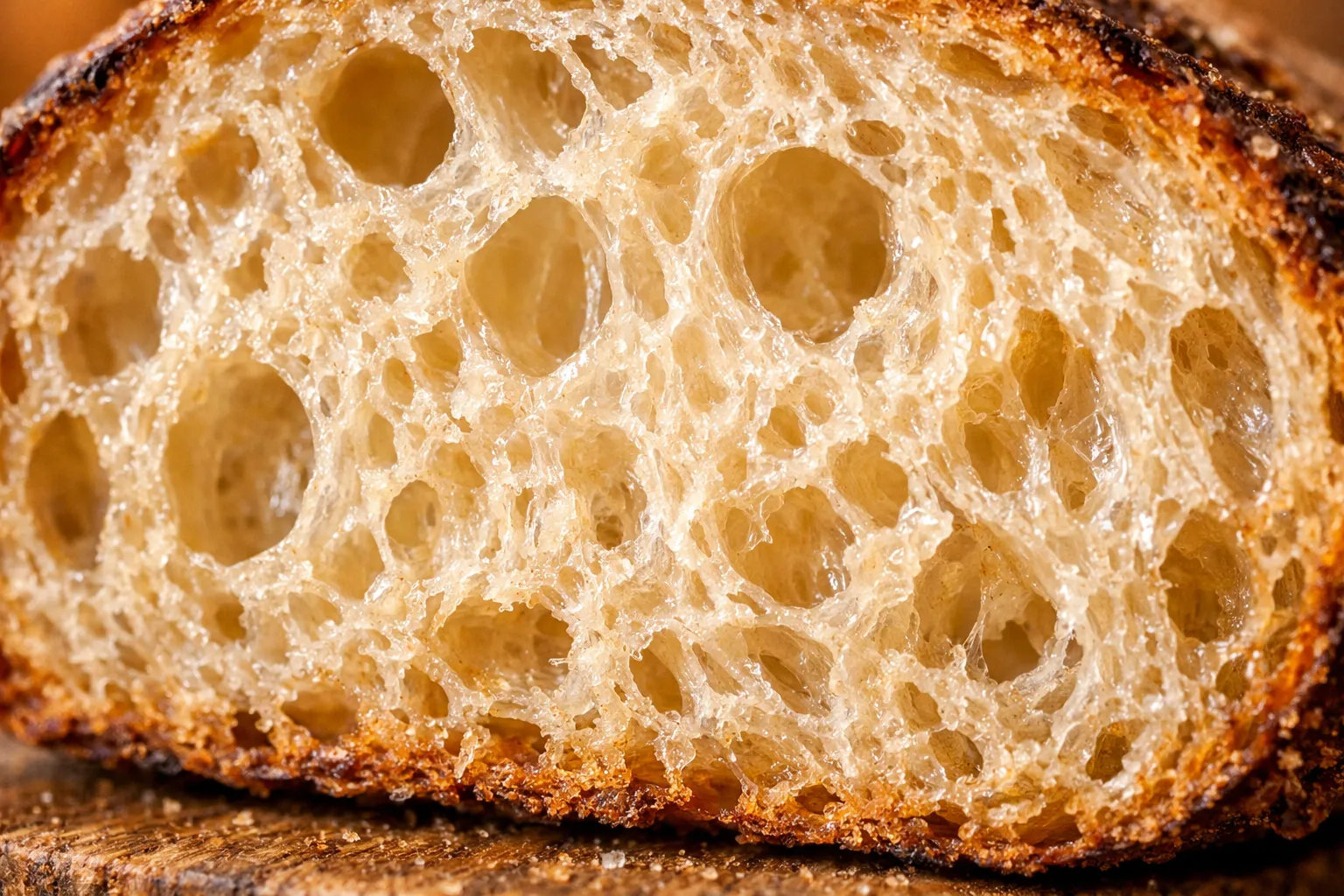
- Chewy, open crumb structure
- Ingredient list showing only flour, water, and salt
- Longer shelf life without added preservatives
Avoid supermarket loaves labeled “sourdough” but containing added vinegar or commercial yeast. Source These shortcuts skip fermentation entirely, leaving fructans fully intact. Therefore, your stomach receives no protective benefit whatsoever.
You might also wonder about general indigestion and heavy fullness. Regular bread often sits like a lead brick in your stomach. Naturally leavened bread behaves entirely differently during digestion, meanwhile. The lactic acid bacteria create a mildly acidic environment within the dough. This acidity activates specific enzymes that break down tough starches. Your stomach consequently expends much less energy processing the food. You absorb the energy faster and feel lighter afterward. This gentle digestion process furthermore prevents the sudden energy crashes associated with white bread.
Unlocking Hidden Nutrients
Beyond simple digestion, your body needs to actually absorb essential vitamins. Source Most grains contain a sneaky compound called phytic acid, however. This anti-nutrient binds to minerals like zinc, magnesium, and iron. Your body cannot absorb these crucial nutrients effectively as a result. You might eat a nutrient-dense whole wheat loaf. The phytic acid, however, locks those minerals tightly away. The sourdough fermentation process interestingly neutralizes this stubborn compound directly. The natural acidity degrades phytic acid almost completely. Your gut can therefore easily extract and utilize every single mineral.
Enhanced Nutrient Absorption and Sustained Energy
Sourdough’s extended fermentation significantly reduces phytates, naturally occurring compounds in grains. These phytates typically bind to crucial minerals, hindering their absorption. Consequently, this process frees up essential nutrients like iron, zinc, and magnesium. This enhanced bioavailability means your body can absorb and utilize these vital minerals much more efficiently. For instance, improved iron uptake directly boosts oxygen transport throughout your body. This effectively combats the common afternoon slump; you feel more consistently energized and focused throughout the day.
Digestive Comfort and Immune Support
Beyond energy, magnesium is crucial for over 300 biochemical reactions. It supports healthy nerve transmission and muscle contraction, actively preventing those uncomfortable, painful cramps. Furthermore, zinc plays a pivotal role in maintaining a robust immune system. It aids in T-cell development and wound healing. Crucially, the fermentation process also creates prebiotics and postbiotics. These beneficial compounds support a thriving gut microbiome, vital for overall digestive health. Many individuals find this significantly reduces bloating and discomfort, directly addressing common stomach issues. My friend Sarah, who struggled with post-meal bloating for years, often says, “It’s like my stomach finally made peace with bread.”
Bioavailability and Delicious Flavor
Commercial bread often relies on artificial fortification with synthetic vitamins. In contrast, sourdough’s traditional method simply unlocks the natural goodness already present in the grain. This means you receive a highly bioavailable package of nutrition with every single bite. Your body recognizes and processes these naturally occurring nutrients more efficiently than synthetic additives. Moreover, the distinctive tangy flavor results from beneficial Sourdough Bread and Digestive Health – Healthline. This fermentation process deepens the bread’s complexity, making these healthy slices absolutely delicious.
Soothing Acid Reflux and Gluten Sensitivity
Acid reflux frequently torments bread lovers after a large meal. Fast-fermented baked goods often trigger this painful, burning sensation. The undigested starches ferment poorly in the stomach, creating excess acid. Sourdough, however, digests smoothly and moves quickly into the intestines. This rapid gastric emptying consequently prevents stomach acid from splashing upward. Many chronic heartburn sufferers report zero symptoms after making the switch. You should naturally always monitor your own specific triggers carefully. Many find this ancient staple incredibly soothing regardless.

Sourdough and Gluten Sensitivity: What the Science Actually Shows
True celiac disease affects roughly 1% of the global population. For these individuals, even trace amounts of gluten trigger serious autoimmune damage. Sourdough offers no safe solution for diagnosed celiacs. A strict, medically supervised gluten-free diet remains absolutely essential.
However, non-celiac gluten sensitivity tells a different story entirely.
—
Who Actually Struggles With Gluten?
Researchers estimate that 6-10% of people experience gluten sensitivity without celiac disease. Their symptoms often include:
- Persistent brain fog after meals
- Bloating and uncomfortable cramping
- Unexplained joint inflammation
- Fatigue following wheat-heavy foods
Consequently, many people unnecessarily abandon all wheat products. That decision isn’t always required.
—
How Fermentation Changes Everything
Sourdough’s long fermentation process — sometimes 24-48 hours — fundamentally restructures gluten proteins. The wild Lactobacillus bacteria produce enzymes called proteases. These enzymes actively break large gluten chains into smaller, digestible peptides.
Therefore, the body encounters a significantly less aggressive protein structure. Studies show fermentation can reduce gluten content by up to 97% in some preparations.
A neighbor once told me she’d avoided bread for years until discovering traditionally fermented sourdough — her bloating simply disappeared.
—
Practical Considerations for Sensitive Individuals
Not all sourdoughs are equal. Artisan Bread Baking Tours & Food Experiences Furthermore, results vary between individuals. Look for:
- Minimum 8-hour fermentation (longer is better)
- Breads made with whole-grain starters
- Loaves from artisan bakeries using traditional methods
Commercial “sourdough” often uses shortcuts. Artisan Bakery Tours & Food Experiences – TripAdvisor Added vinegar mimics flavor without providing genuine fermentation benefits. Always check ingredient labels carefully.
Additionally, introduce sourdough gradually. Food Tours & Culinary Experiences – Lonely Planet Start with small portions and monitor your body’s response honestly over several weeks.
Making the Switch to Real Sourdough
You must remain vigilant when shopping for these gut-friendly loaves. Many supermarkets unfortunately sell fake sourdough to unsuspecting customers. They simply add vinegar or commercial flavoring to regular, fast-rising dough. These impostor loaves consequently offer absolutely none of the digestive benefits. You must always read the ingredient list very carefully. True sourdough contains only three simple ingredients: flour, water, and salt. It should furthermore never list commercial yeast or added preservatives. Support a local artisan baker who uses traditional methods if possible.

The magic of sourdough truly lies in its prolonged fermentation. This process, driven by wild yeasts and lactic acid bacteria, actively predigests carbohydrates and proteins. Specifically, these microbes break down complex sugars known as Monash FODMAP – About FODMAPs and IBS, like fructans. Many individuals find these difficult to digest. Moreover, the fermentation significantly reduces gluten content, making the bread much gentler. Consequently, symptoms like bloating, gas, and discomfort often diminish after consumption. This enzymatic breakdown effectively prepares the bread for your digestive system.
Furthermore, sourdough acts as a source of beneficial prebiotics, feeding your gut’s healthy microbiome. While not always probiotic after baking, its components foster a thriving internal ecosystem. This improved gut environment supports better overall digestive function. The fermentation also neutralizes phytic acid, an antinutrient present in grains. Therefore, essential minerals like iron, zinc, and magnesium become more bioavailable. This nutrient boost further aids gastrointestinal comfort and cellular health. Ultimately, a well-nourished gut contributes significantly to reduced inflammation.
Witnessing friends reclaim bread has been truly inspiring. The Health Benefits of Sourdough Bread My neighbor, plagued by years of bloating, finally found solace in homemade sourdough. This transformative experience extends beyond physical relief. The very act of baking sourdough encourages a mindful connection to our food. You actively engage with simple, natural ingredients. Consequently, this deliberate, unhurried process can reduce stress, a known contributor to digestive upset. Thus, embracing sourdough offers a holistic path to wellness. It allows many to truly savor bread without regret.
The Starter That Finally Proved Sourdough Didn’t Have to Mean Bloating
If you’re skeptical that sourdough is actually easier on your gut, you need a starter that’s genuinely alive and actively fermenting—not a dormant jar that sits in your fridge doing nothing. The long fermentation process is what breaks down those hard-to-digest compounds, but only if your starter is strong enough to actually do the work.
What works
- It arrives already active and bubbling, so you’re not starting from zero or troubleshooting a weak culture for two weeks before your first bake.
- The fermentation is fast and predictable—I noticed my bulk fermentation time actually shortened once I switched, which meant more consistent gluten development and better oven spring.
- The tang is noticeably sharper, which tells you the long, slow fermentation is actually happening and breaking down those lectins and phytic acid you’re trying to avoid.
What doesn’t
- It requires consistent feeding and attention—if you ignore it for a week, you’re back to square one, which I learned the hard way after killing my first one.
- It’s more expensive upfront than building your own from scratch, and some bakers feel like they’re cheating by not starting from flour and water alone.
I almost sent mine back after three days because it looked too liquid and I convinced myself it was contaminated, but I fed it once more and it came roaring back to life. If you’re serious about making bread that actually sits well in your stomach, this sourdough starter is worth the investment.
This post contains affiliate links. As an Amazon Associate, I earn from qualifying purchases at no extra cost to you.