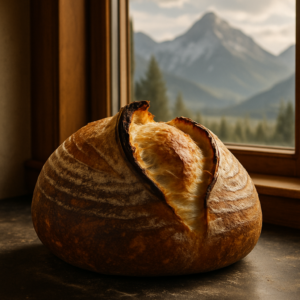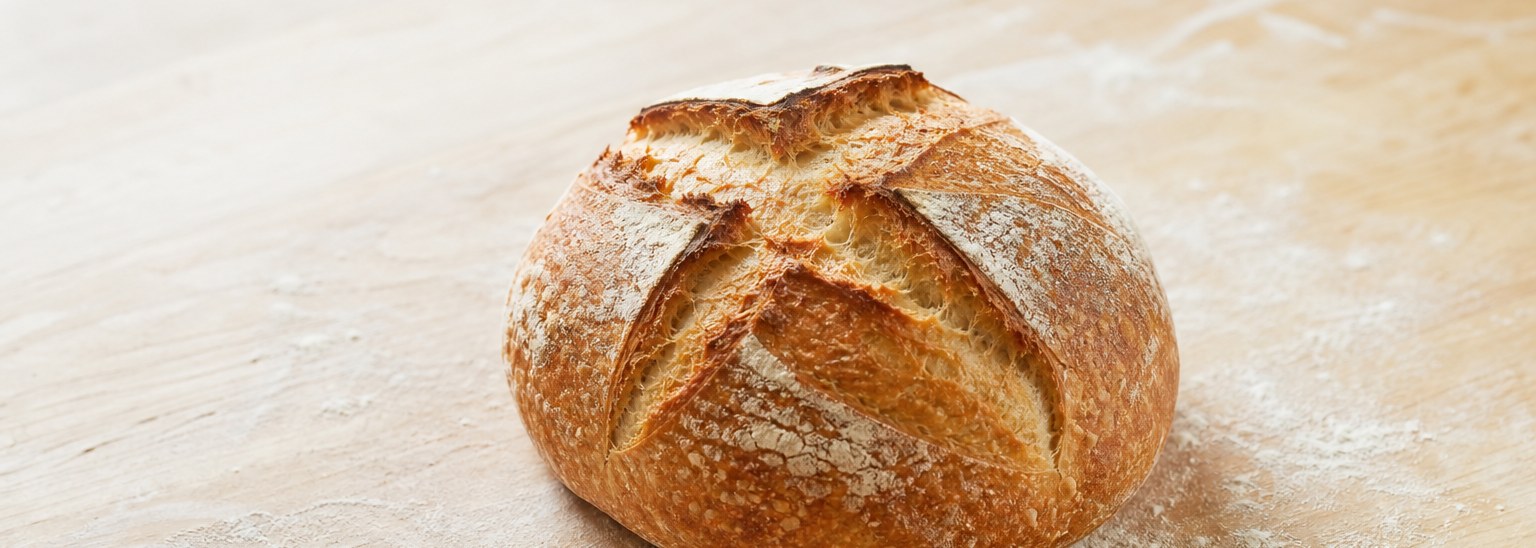
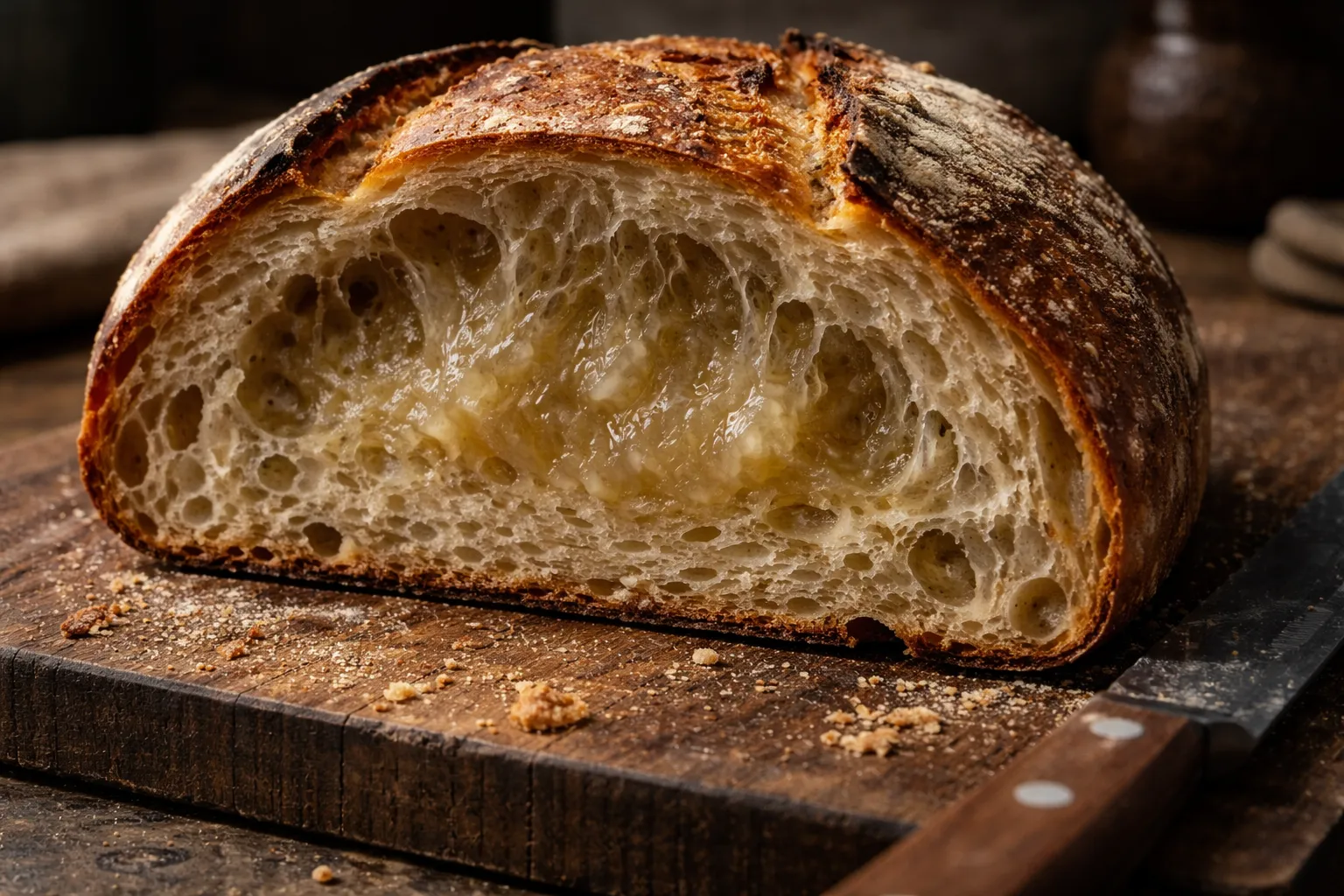
“Wait — is the middle supposed to look like that?” My mother-in-law asked it right at her own birthday table, fork hovering over the slice I’d just set in front of her, and that single sentence told me everything I needed to know before I even looked down myself. The crust had cracked open with that perfect papery snap, the score had bloomed into exactly the ear I’d been chasing for weeks, and the smell rolling out of my oven earlier had been downright intoxicating. Then my knife met resistance right in the center. Gummy. Dense. Basically raw. I was looking at a picture-perfect case of sourdough undercooked in the middle, and I genuinely wanted to disappear into my own flour bin. That loaf had cost me three full days. Three. Days.
Eleven years of baking has handed me a long list of mistakes, and honestly, I wear most of them like little trophies. This one, though, cut deeper than usual. It landed on my mother-in-law’s birthday. I’d spent the entire week bragging about the sourdough boule I was bringing, then set it on her table with the flourish of someone unveiling a masterpiece. From the outside, it genuinely looked stunning. Underneath that gorgeous crust, though, it was essentially raw dough wearing a costume. I still can’t quite laugh about it. Close, but not there yet.
What I didn’t know then — but know cold now — is that the actual fix was almost laughably simple. A thermometer. That’s the whole thing. That’s the secret I wish someone had handed me before I wrecked a birthday dinner and burned through an entire bag of King Arthur bread flour for nothing.
| Doneness Indicator | Reliability | What It Actually Shows |
|---|---|---|
| Internal temperature (205°F–210°F) | Definitive | Starches gelatinized; crumb structure set |
| Crust color (golden brown) | Unreliable | Outside finished; says nothing about center |
| Hollow sound when tapped | Unreliable | Outside finished; interior may still be raw |
| Time on clock | Unreliable | No guarantee of doneness |
Why Your Sourdough Ends Up Raw in the Center
Before getting into the fix, it’s worth understanding what’s actually happening under that crust. Sourdough is a dense bread by nature. It holds onto moisture differently than commercial yeast breads do, and that dense crumb can insulate the middle just enough to fool you completely. The outside looks finished. Knock on the crust and it sounds hollow, like it’s ready. But the interior hasn’t yet climbed to the temperature needed to fully gelatinize the starches and set the crumb structure.
A handful of culprits show up again and again when a loaf comes out raw in the center despite what felt like a full, complete bake.
- Your oven is lying about its own temperature. This happens far more often than most bakers assume. A lot of home ovens run 25 to 50 degrees Fahrenheit off, sometimes worse. Dial in 450°F and you could genuinely be baking at 400°F the whole time without ever knowing it.
- You took it out too early. A beautifully golden crust doesn’t guarantee a finished loaf. Color by itself tells you almost nothing trustworthy about doneness.
- The dough went into the oven too cold. Baking straight out of a cold retard in the fridge means the center has a much longer distance to travel before it fully heats through.
- Your Dutch oven or baking vessel is holding steam in for too long. That trapped moisture can leave you with a soft, underbaked middle even while the outside looks flawless.
In my case, it came down to two problems stacking on each other — an oven running about 30 degrees cooler than its dial claimed, plus a loaf I pulled the second it looked gorgeous, without ever confirming the inside felt the same way. A rookie move, even eleven years into baking sourdough. Apparently none of us ever fully graduate.
Fixing Sourdough Undercooked in the Middle With Internal Temperature
Here’s what I wish someone had told me much sooner: a fully baked sourdough loaf needs to read between 205°F and 210°F (96°C to 99°C) right at its very center. That number is the target — not the crust color, not the sound it makes when tapped, not the clock on the wall. Temperature, plain and simple. Once I made a thermometer part of every single bake, undercooked loaves practically disappeared from my kitchen overnight.
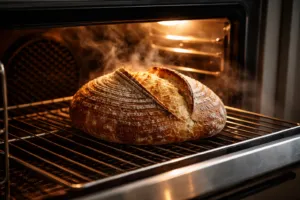
Slide the probe in through the side of the loaf, angling it so it reaches straight toward the center. You’re looking for the coldest, densest section of crumb, not a reading taken near the crust. If the number comes back under 200°F, the bread simply needs more time — no exceptions. Slide it back into the oven, lay a loose sheet of foil over it if the crust has already gone quite dark, and check again in five to eight minutes.
It also makes a huge difference to let the loaf rest for at least an hour once it’s out of the oven, and honestly two hours is even better. The crumb keeps firming up as it cools, and slicing into a still-hot loaf can make even a properly baked bread look and feel gummy and underdone. I know that wait feels excruciating. I really do. But it pays off every single time.
The Equipment That Actually Solved This For Me
Taking internal temperature seriously meant I had to take my toolkit just as seriously. Here’s precisely what lives in my kitchen now, and why each piece has earned its place there.
The Thermometer That Ended My Crumb-Guessing Habit
For years I trusted knuckle-knocks and how the crust looked, and that method worked fine right up until it didn’t — usually after I’d already sunk three days into a loaf. A bread thermometer strips away all the guesswork around doneness and tells you flat out whether the crumb has actually finished baking or is still raw underneath.
Where it delivers
- Gives you a temperature reading in about 3 seconds — quick enough to probe several spots in a single loaf without letting too much heat escape the oven.
- The probe itself is slim enough to sink into the thickest part of the crumb without leaving an obvious hole, and the display is large enough to read even after oven steam has fogged up your glasses.
- You can either set it on the counter or hold it steady while it reads; unlike some instant-read thermometers, it isn’t picky about the angle you insert it at.
Where it falls short
- The battery cover puts up more of a fight than it should, and I’ve wrestled with it while wearing oven mitts more times than I’d like to admit.
- There’s no guard on the probe tip, so it cools off quickly if you don’t get it into the bread right away — you’ll want to either preheat it first or move fast.
I second-guessed myself the first time I pulled a loaf at 205°F instead of baking it until the crust looked darker, worried I was pulling it too early—but that loaf had the most tender, properly baked crumb I’d ever made. Get the TempPro Digital Instant Read Thermometer and stop losing loaves to doubt.
Frequently Asked Questions
What internal temperature should sourdough reach?
A fully baked sourdough loaf needs to read between 205°F and 210°F right at its very center. Slide the probe through the side angling toward the center, targeting the coldest, densest section of crumb. If it reads under 200°F, the bread needs more time in the oven.
Why is my sourdough gummy in the middle?
Sourdough’s dense crumb can insulate the middle enough to fool you—the outside looks finished while the interior hasn’t climbed to the temperature needed to gelatinize starches and set crumb structure. Common causes include an oven running 25 to 50 degrees Fahrenheit off, pulling the loaf too early, or baking straight from a cold retard.
How long should sourdough cool before slicing?
Let the loaf rest for at least an hour once it’s out of the oven; two hours is even better. The crumb keeps firming up as it cools, and slicing into a still-hot loaf can make even properly baked bread look and feel gummy and underdone.
Can crust color tell you if sourdough is done?
No. A beautifully golden crust doesn’t guarantee a finished loaf. Color by itself tells you almost nothing trustworthy about doneness. Use an internal thermometer to confirm the center has reached 205°F to 210°F instead of relying on appearance alone.
About This Article

Written by Sam Whitaker. Sam Whitaker has been baking sourdough for over a decade, including three years baking commercially, and now works out of a home kitchen in the Pacific Northwest. Sam's eleven-year-old starter, Harold, is the foundation for every recipe and troubleshooting guide on Sourdough Rising — real bread tested over and over until it works. More about this site.
Scope and limits. Sam is a home baker with no formal culinary training. Follow current food safety guidance for storage and handling, particularly with enriched or filled doughs.
Verify this against a primary source
Specifics change, and your situation may differ from the one described here. These are the authorities worth checking directly:
- USDA FoodData Central — flour and ingredient composition data
- FoodSafety.gov — safe handling and storage