
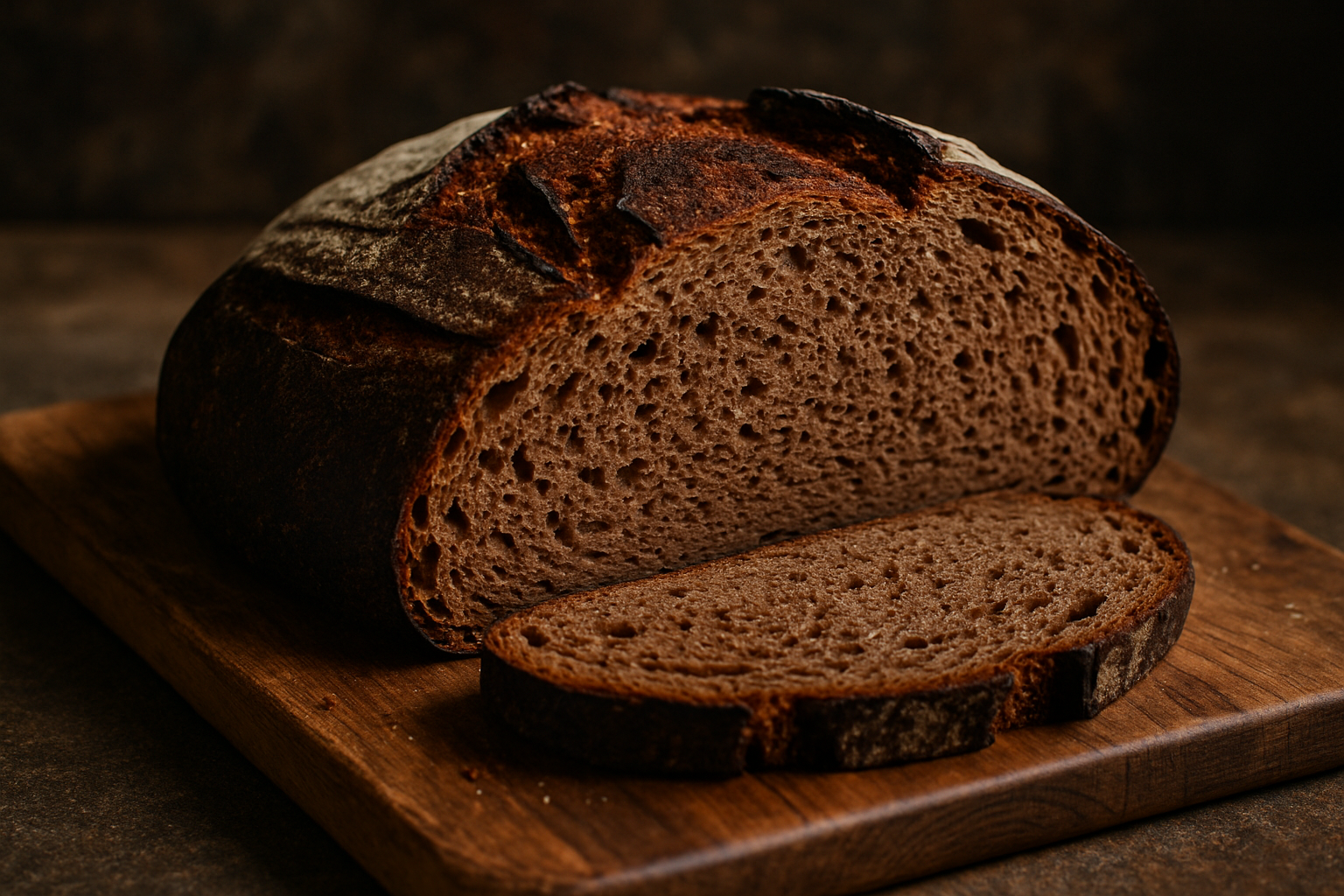
I still remember the afternoon I accidentally grabbed the wrong bag of flour. I’d meant to scoop from my all-purpose container, but instead I dumped a hefty portion of rye into my starter feeding. Within hours, that jar was alive in a way I’d never seen before — bubbling furiously, nearly crawling out from under the lid. That happy accident sent me down a deep rabbit hole of rye flour sourdough baking benefits, and honestly? I’ve never looked back. If you’ve been curious about adding rye to your sourdough practice but aren’t sure where to start, you’re in exactly the right place.
This post contains affiliate links. As an Amazon Associate, I earn from qualifying purchases. This means I may earn a small commission if you purchase through my links, at no extra cost to you. I only recommend products I genuinely use and love in my own kitchen.
What Makes Rye So Special in Sourdough Baking?
Rye flour is one of those ingredients that experienced bakers talk about with a kind of reverence — and once you understand the science behind it, you’ll get why. Rye contains a unique type of starch and a high concentration of pentosans, which are water-absorbing carbohydrates that give rye doughs their characteristic stickiness. More importantly for sourdough bakers, rye is absolutely packed with wild yeast and bacteria-friendly nutrients. That’s why even a small amount can turbocharge your starter’s activity.
Beyond the fermentation science, rye delivers something that white flour simply can’t — deep, earthy, slightly tangy flavor that makes your sourdough taste like it came from a generations-old European bakery. It adds complexity in the best possible way. Once you bake a loaf with even 20% rye, plain white sourdough starts to feel a little one-dimensional by comparison.
The Real Rye Flour Sourdough Baking Benefits You’ll Notice Right Away
Let’s get practical. Here are the concrete changes you’ll observe when you start working rye into your bakes:
- Faster, more vigorous fermentation. Rye feeds your wild yeast culture like rocket fuel. Even swapping just 10–20% of your flour for rye can cut bulk fermentation time noticeably, especially in cooler kitchens.
- Better starter health. Many bakers — myself included — keep a small portion of rye in our regular starter feedings to maintain consistent, lively activity year-round.
- A more complex, nutty flavor profile. Rye brings a warm, slightly malty depth that wheat alone can’t replicate. The higher the rye percentage, the more pronounced this becomes.
- Improved crust color and caramelization. Rye’s natural sugars help your loaf develop a gorgeous, deep amber crust that looks stunning straight out of the Dutch oven.
- Added nutrition. Rye is higher in fiber, minerals like magnesium and iron, and certain B vitamins compared to refined white flour — a nice bonus on top of everything else.
Understanding the Different Types of Rye Flour
Not all rye flour is the same, and understanding the differences will help you choose the right one for your goals. The main categories you’ll encounter are light rye, medium rye, dark rye, and whole grain rye (sometimes called pumpernickel flour). Light rye has been sifted to remove most of the bran and germ, producing a milder flavor and a dough that’s easier to handle. As you move toward dark rye and whole grain rye, you get more fiber, more flavor, more fermentation activity — and more stickiness.
For beginner rye bakers, I always suggest starting with a medium rye. It gives you a clear flavor boost and noticeable fermentation benefits without making your dough feel completely unmanageable. Once you’re comfortable, dark rye opens up a whole new world of flavor.
A Note on Hydration
One thing that trips up new rye bakers: rye absorbs significantly more water than wheat flour. If you swap in rye without adjusting your hydration, your dough may feel tighter than expected after mixing but then turn into a sticky mess once those pentosans fully hydrate. My advice is to add an extra 5–10% water when you’re first experimenting, and don’t be afraid of a wetter, more slack dough. Trust the process and resist the urge to add more flour.
How to Start Adding Rye to Your Sourdough (Practical Tips)
You don’t have to dive straight into a 100% rye loaf. Here’s how I’d approach it if I were starting over:
- Start with 10–20% rye substitution. Replace that percentage of your total bread flour with rye and keep everything else the same. Notice how your dough ferments, how it handles, and most importantly — how it tastes.
- Add rye to your starter feedings. Even just 20–30% rye in your feeding mix will keep your starter more active and resilient between bakes.
- Try a rye soaker. For higher-percentage rye loaves, combine your rye flour with hot water and let it soak for several hours before mixing into your dough. This pre-hydrates the flour and results in a more tender, moist crumb.
- Be gentle with shaping. Rye doughs don’t develop gluten the way wheat doughs do. Rely more on surface tension and a well-floured banneton rather than aggressive folding techniques.
What I Use: Rye Flour Recommendations
After years of testing different brands and milling styles, here are the rye flours I keep coming back to and genuinely recommend.
King Arthur Organic Medium Rye Flour
This is my everyday go-to for mixing into sourdough loaves. King Arthur Organic Medium Rye Flour is 100% US grown and milled, Non-GMO Project Verified, and has a beautifully balanced flavor — robust but not overwhelming. It dissolves into dough seamlessly and gives my loaves that earthy depth I’m always chasing. This is the one I’d hand to any baker just starting their rye journey.
Bob’s Red Mill Organic Dark Rye Flour
When I want bigger, bolder flavor and maximum fermentation activity, I reach for dark rye. Bob’s Red Mill Organic Dark Rye Flour is a whole grain, non-GMO option that works beautifully in starter feedings and in higher-percentage rye loaves. The flavor is deep and distinctly rye-forward. If you bake frequently and want to