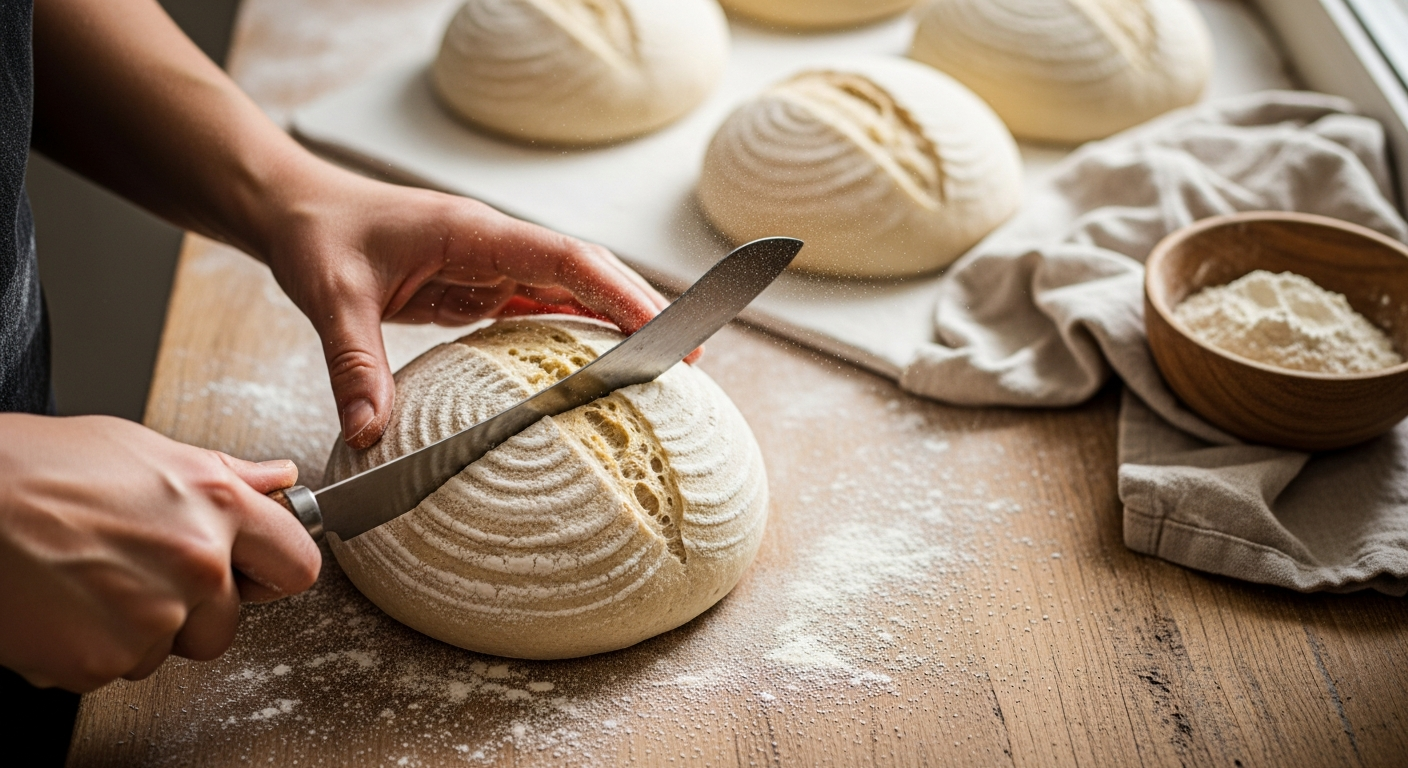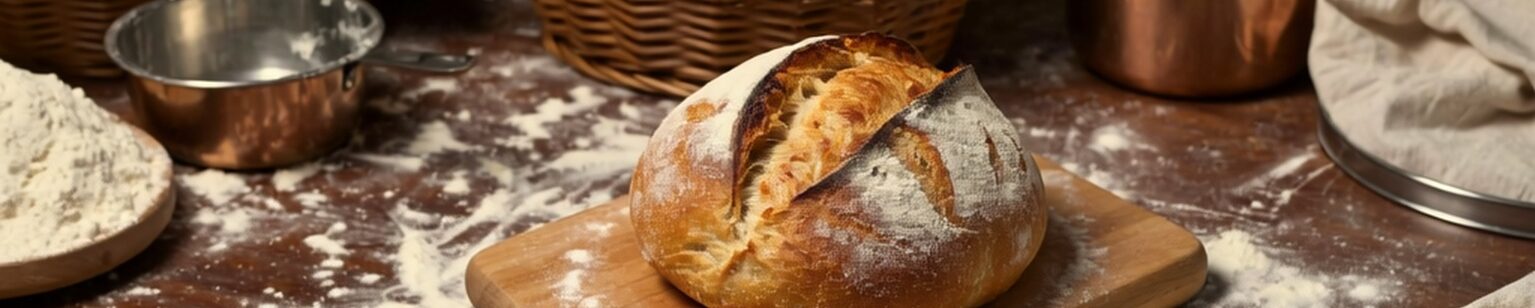
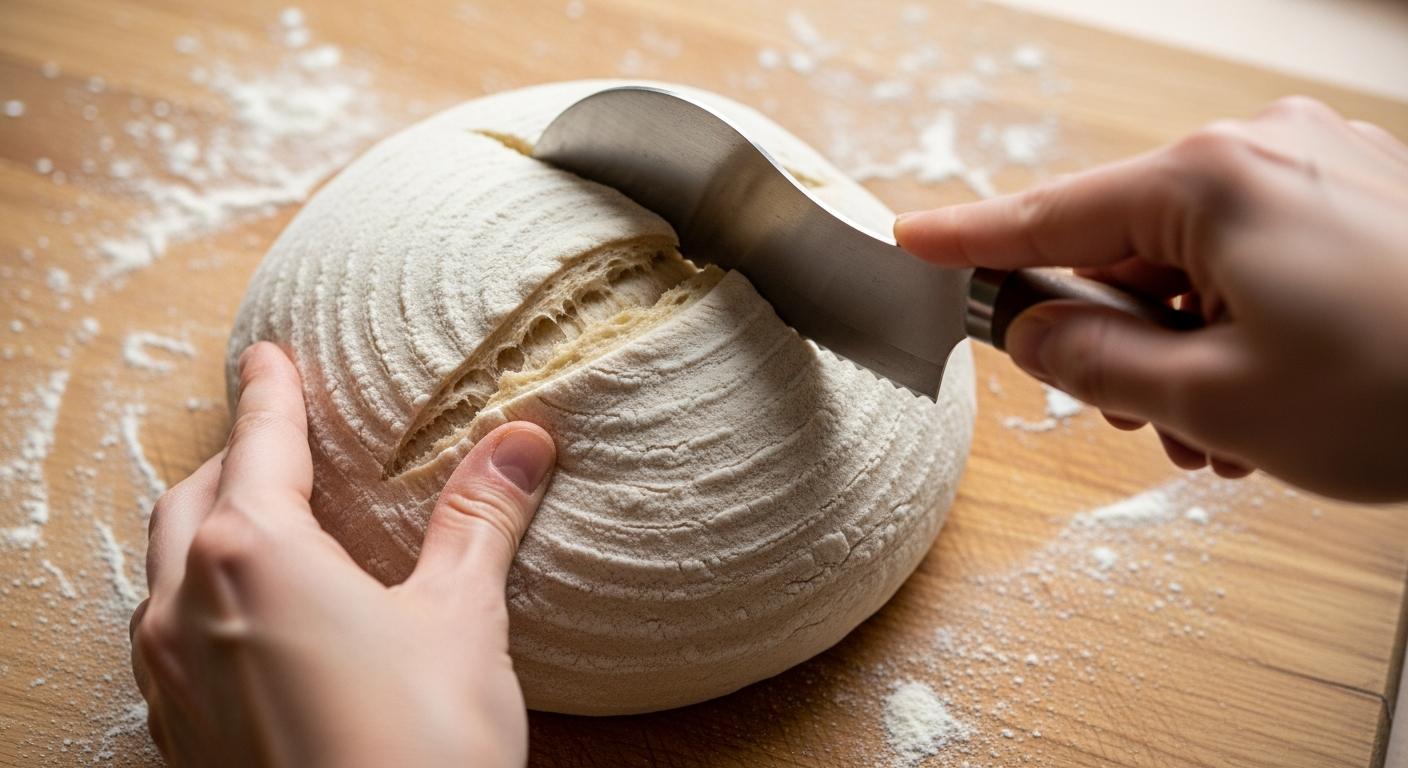
The Dual Purpose of Sourdough Scoring
Sourdough scoring represents a crucial intersection of form and function in artisan baking. When bakers slice deliberate patterns into their dough, they’re essentially creating controlled weak points in the surface. These intentional cuts guide the loaf’s expansion as it bakes. Without proper scoring, the internal pressure from rising dough finds its own escape routes. Consequently, this results in unpredictable tears and splits that can ruin an otherwise perfect loaf.
If you’re ready to elevate your sourdough baking game with professional-quality scoring, investing in the right tools will make all the difference in your results. Starting with a proper scoring tool, the bread lame from KNEADACE offers magnetic blade attachment and comes with a helpful pattern guide to inspire your designs. For bakers who appreciate portability and convenience, this folding bread lame includes a belt clip and ten replacement blades, making it perfect for both kitchen use and on-the-go baking adventures. Once your beautifully scored loaf has finished baking and cooling, you’ll want a quality serrated bread knife to slice through that crispy crust without crushing the tender crumb inside. Before you even get to the scoring stage, cultivating a healthy starter is essential, and this sourdough bread starter kit with its large capacity jar and unique features helps you maintain the perfect fermentation environment. If you’re looking for an alternative magnetic scoring tool with extractable blades, this bread lame also includes a pattern booklet to help you master various decorative techniques. Keeping replacement blades on hand ensures you always have sharp edges for clean cuts, and these replacement blades come in a convenient pack of twenty for long-term use. During the proofing stage before scoring, this complete sourdough starter kit provides both banneton baskets and a glass starter jar to support every step of your bread-making journey. If you need additional proofing baskets for making multiple loaves, these banneton bread proofing baskets come in a set of two with liners to prevent sticking and create beautiful spiral patterns. Finally, baking your scored sourdough in an enameled cast iron dutch oven creates the perfect steam environment that allows your carefully planned scores to open dramatically and develop those coveted crispy ears that make artisan bread so visually stunning and delicious.
*As an Amazon Associate, I earn from qualifying purchases.
The aesthetic dimension of scoring cannot be understated. Furthermore, beautiful score patterns transform simple bread into edible art. Professional bakeries often use signature scoring designs as their trademark. These distinctive patterns help customers identify their favorite baker’s work instantly. Additionally, intricate designs like wheat stalks, leaves, or geometric patterns showcase a baker’s skill level.
Understanding Expansion Control
The science behind scoring relates directly to oven spring—that dramatic rise occurring in the first minutes of baking. As the dough heats, trapped gases expand rapidly. Meanwhile, the outer surface begins forming a crust. Without strategic cuts, this expanding interior pushes against the hardening exterior unpredictably. Therefore, scoring provides predetermined pathways for this expansion.
The depth and angle of cuts significantly impact the final result. Shallow scores create subtle texture and minimal opening. In contrast, deeper cuts produce dramatic ears and pronounced ridges. Moreover, the angle of your blade affects how the scored edge lifts and curls during baking.
Essential Tools for Perfect Scores
A bread lame remains the most popular scoring tool among serious bakers. This specialized instrument holds a razor blade at the optimal angle. However, several alternatives exist for home bakers just starting out.
Common scoring tools include:
- Traditional lames with curved blades for artistic control
- Straight razor blades held between fingers for simple cuts
- Sharp serrated knives for basic functional scoring
- Box cutters as budget-friendly alternatives
- Specialty curved blades for creating pronounced ears
Each tool offers distinct advantages depending on your scoring style. For example, curved blades excel at creating those coveted lifted ears along the score line. Meanwhile, straight blades work better for grid patterns or multiple parallel cuts.
Technique Fundamentals
The timing of scoring proves just as important as the tools themselves. Consequently, bakers must score immediately before the dough enters the oven. Cold dough from the refrigerator scores more cleanly than room-temperature dough. Additionally, the blade must move swiftly and confidently through the surface.
Proper blade angle typically ranges between 30 and 45 degrees. This angle allows the scored edge to lift and curl as the bread expands. Furthermore, maintaining consistent depth throughout each cut ensures even expansion. Hesitation or sawing motions create ragged edges that won’t open beautifully.
The Importance of Sourdough Scoring
Scoring sourdough is crucial for several reasons. Source Firstly, it acts as a vent for steam, allowing the bread to rise evenly during baking. This prevents the loaf from bursting unpredictably, which can ruin its shape. Moreover, scoring influences the texture and crust of the bread. A well-scored loaf often has a more pronounced crust, adding to its overall flavor and appeal .
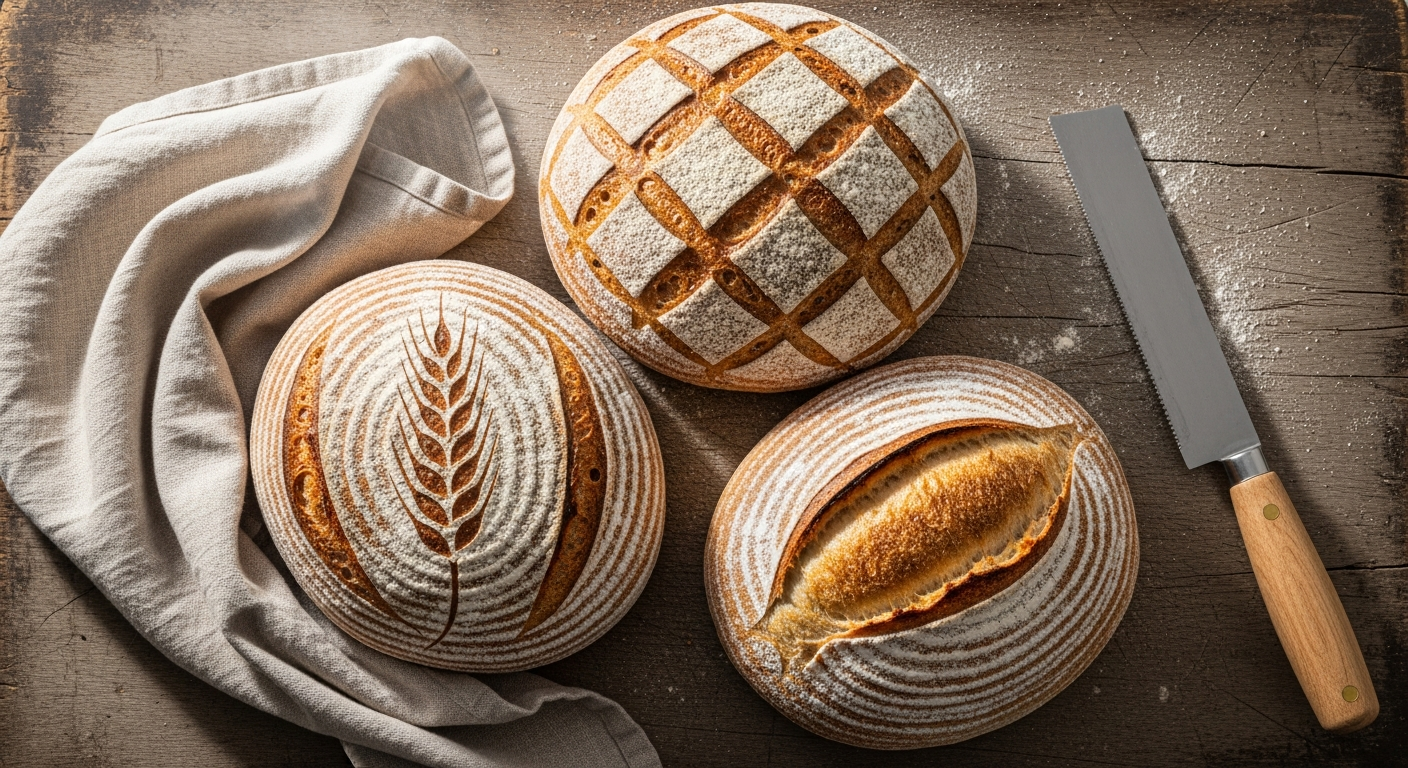
Additionally, scoring provides a canvas for artistic expression. Bakers often use this opportunity to create intricate designs, which can transform a simple loaf into a work of art. This aspect of scoring not only beautifies the bread but also reflects the baker’s skill and creativity.
Essential Equipment for Sourdough Scoring
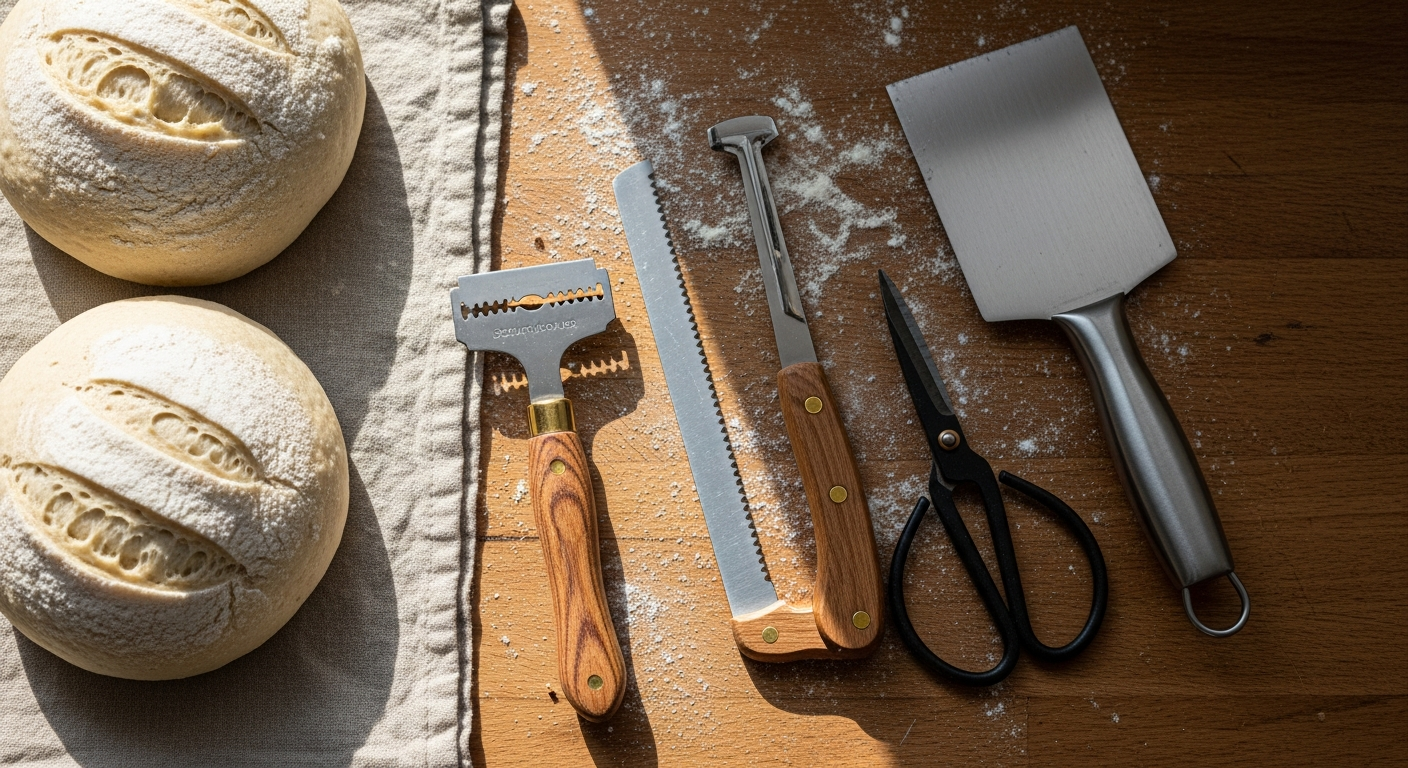
Essential Tools for Sourdough Scoring Success
Sharp blades form the foundation of successful sourdough scoring. A professional baker’s lame consists of a handle with a replaceable razor blade. This tool enables clean, decisive cuts through the dough’s surface. Without proper sharpness, the blade drags rather than slices. Consequently, this creates ragged edges that compromise both appearance and oven spring.
The lame differs significantly from ordinary kitchen knives. Moreover, its razor-thin blade creates minimal resistance when cutting. This precision matters because sourdough develops a skin during proofing. Therefore, only an exceptionally sharp edge can slice through without deflating the dough.
Straight Blade Applications
Straight lames excel at creating classic scoring patterns. For instance, they produce the traditional single slash down a batard’s length. Additionally, these blades work perfectly for geometric designs and grid patterns. Many bakers prefer straight blades when executing:
- Simple ear formations
- Cross-hatch designs
- Parallel line patterns
- Square or diamond shapes
Furthermore, straight blades offer excellent control for beginners. The predictable cutting angle makes them easier to master initially.
Curved Blade Advantages
Curved lames provide unique capabilities for advanced scoring techniques. The UFO-shaped blade creates an undercut as it moves through dough. As a result, this produces the coveted “ear” effect on artisan loaves. Professional bakers often choose curved blades for boules and round loaves.
The curvature allows the blade to enter at an optimal angle. Meanwhile, this shallow approach lifts the dough flap slightly. Consequently, steam pushes underneath during baking, creating dramatic height and texture.
Alternative Marking Techniques for Precision
Before making any cuts, experienced bakers often employ pre-scoring techniques to map out their designs. Cotton thread or unflavored dental floss serves as an excellent marking tool. These materials create temporary indentations without cutting through the dough surface. Simply press the thread gently onto the dough to outline your pattern. This method works particularly well for geometric designs requiring exact placement.
Furthermore, these guidelines help maintain consistent spacing between multiple cuts. For instance, when creating a wheat stalk pattern, thread marks ensure each leaf sits at the same distance. The indentations remain visible throughout the scoring process but disappear during baking. Therefore, you can experiment freely without permanent consequences.
Enhancing Visual Contrast
Rice flour dusting transforms ordinary scores into striking artistic statements. Unlike all-purpose flour, rice flour doesn’t absorb moisture as readily. Consequently, it maintains its white appearance throughout the baking process. The contrast between the pale flour and the darker scored areas creates dramatic definition.
Moreover, the application technique matters significantly. Use a fine-mesh sieve to dust a thin, even layer across the dough surface. Additionally, focus the flour on areas where you plan to score. The cuts will reveal the darker dough underneath, creating a bold visual contrast. This technique particularly enhances intricate patterns like leaves, feathers, or elaborate geometric designs.
Meanwhile, some bakers combine both methods for maximum precision and visual impact. Source
Techniques for Effective Sourdough Scoring
Basic Scoring Techniques
Mastering Fundamental Patterns
Mastering the art of sourdough begins with simplicity. Therefore, new bakers should focus on functional patterns first. A single, longitudinal slash is the gold standard for oval loaves. It creates a classic look. Additionally, it provides a clear path for steam to escape. This prevents the loaf from bursting unexpectedly at the sides.
For round loaves, or boules, a simple cross pattern is effective. This technique encourages the bread to open evenly in four directions. Consequently, the loaf maintains its round shape while rising. Another excellent option is the square cut. This creates a “lid” that lifts beautifully during the bake.
Tools and Hand Mechanics
You need the right tools for clean lines. Specifically, a baker’s lame holds a double-edged razor blade. This tool is significantly sharper than a standard kitchen knife. Consequently, it glides through sticky dough without snagging. Using a dull blade often results in jagged, messy cuts.
Body mechanics also play a crucial role. When cutting, move your entire arm rather than just your wrist. Furthermore, hesitation causes the blade to drag against the dough. Thus, a fast, decisive stroke is essential for success. Think of the motion as a swift commitment.
Achieving the Perfect Depth
Depth is just as critical as speed. Generally, aim for a cut that is roughly half an inch deep. If the score is too shallow, the crust may re-seal early. As a result, the bread might blow out in weak spots. This ruins the aesthetic of the final loaf.
Conversely, cutting too deep can sever the gluten network. This causes the loaf to flatten or spread during baking. However, finding the balance requires practice. Pay attention to how the dough reacts. A properly scored loaf will begin to open almost immediately.
Key Tips for Beginners:
- Chill the Dough: Cold dough is firmer and much easier to score.
- Wet the Blade: A slightly damp blade reduces friction.
- Angle Matters: Hold the blade at 45 degrees for a distinct “ear.”
- Keep it Simple: Master one cut before trying decorative wheat stalks.
Advanced Decorative Techniques
The Strategy Behind Complex Designs
Moving beyond simple slashes allows you to transform rustic loaves into edible art. Advanced scoring merges function with creativity. Primarily, you must understand the two distinct types of incisions used in complex patterns.
First, identify your primary expansion cut. This deep slash dictates where the bread opens during the bake. Consequently, it relieves internal pressure effectively. Without this crucial step, your loaf might burst in unexpected places. Therefore, always plan this cut first to ensure a controlled rise.
Next, you can focus on artistic detail. These shallow cuts do not affect the bread’s structure significantly. Instead, they provide contrast against the darker crust. For example, wheat stalks or leafy vines are popular choices. Ultimately, the contrast between the white flour and the baked crust creates the visual pop.
Mastering Depth and Angles
Achieving the perfect look requires specific blade manipulation. For expansion cuts, hold your lame at a 45-degree angle. This technique creates the coveted “ear” or raised flap of crust. Furthermore, you should cut roughly half an inch deep. This depth ensures the dough opens fully without tearing your design.
In contrast, decorative scoring requires a delicate touch. Hold the blade vertically, straight up and down. Additionally, barely scratch the surface of the dough skin. If you cut too deep here, the design will distort during oven spring. Thus, keep these lines thin and superficial for the best results.
Essential Tips for Precision
To execute these designs, consider the following technical adjustments:
- Chill your dough: Cold dough holds its shape much better than room-temperature dough. Therefore, score right out of the fridge.
- Use a fresh blade: Dull razors drag and snag the gluten strands. Consequently, jagged lines will ruin the final aesthetic.
- Dust with flour: Rub rice flour over the surface before cutting. As a result, the white flour highlights your intricate patterns against the dark crust.
- Work quickly: The dough begins to warm immediately. Hence, plan your design mentally before you make the first cut.
For example, bakers can use multiple shallow cuts to create floral patterns or geometric shapes. These designs not only enhance the bread’s appearance but also demonstrate the baker’s expertise. Moreover, the use of stencils and templates can further elevate the complexity of the scoring patterns.
Tips for Perfect Sourdough Scoring
Achieving the perfect score on sourdough takes practice and attention to detail. Here are some tips to consider:
Mastering the Art of Dough Preparation
Chilling your dough before scoring is a game-changing technique. Cold dough firms up significantly, making it less sticky to work with. Additionally, the cooler temperature allows your blade to glide smoothly across the surface. Most bakers refrigerate their shaped loaves for 30 to 60 minutes before scoring. However, some prefer an overnight cold retard in the refrigerator. This extended chilling period develops flavor while creating ideal scoring conditions. The firm surface accepts cuts cleanly without dragging or tearing. Furthermore, cold dough holds its shape better during the initial oven spring.
Developing Confidence and Control
A steady hand makes all the difference when scoring sourdough. Hesitation often leads to jagged, uneven cuts that compromise your design. Therefore, practice your scoring motion before touching the blade to dough. Many experienced bakers recommend using your whole arm rather than just your wrist. This technique provides better control and creates smoother lines. Moreover, positioning your body correctly helps maintain stability throughout the cut. Stand comfortably with your feet shoulder-width apart for optimal balance. Consequently, your scores will appear more professional and intentional.
Playing with Cut Depths
Experimenting with depth opens up creative possibilities for your bread. Shallow cuts around 1/4 inch create delicate decorative patterns. Meanwhile, deeper cuts of 1/2 inch or more encourage dramatic oven spring. The main expansion score should always be your deepest cut. In contrast, secondary decorative elements work best when kept shallow. For example, a deep central slash combined with shallow leaf patterns creates visual interest. As a result, your loaf develops both functional expansion and artistic flair.
Learning Through Observation
Every dough batch presents unique characteristics that affect scoring outcomes. Hydration levels significantly impact how your blade moves through the dough. Therefore, higher hydration doughs require sharper blades and quicker movements. Conversely, lower hydration doughs tolerate more deliberate scoring techniques. Additionally, fermentation levels change how your scores open during baking. Overfermented dough may spread rather than rise dramatically. Meanwhile, underfermented dough might not open your scores adequately. Consequently, keeping detailed notes helps you identify patterns over time. Document your flour types, hydration percentages, and fermentation times. This information becomes invaluable for refining your technique with each bake.
Conclusion
Mastering the art of sourdough scoring involves understanding both the functional and artistic aspects of the technique. Source By using the right equipment and practicing various methods, bakers can transform their loaves into beautiful and delicious creations. Whether you’re a beginner or an experienced baker, continuous experimentation and practice will enhance your skills. Ultimately, sourdough scoring is not just about aesthetics; it’s about making bread that is both visually appealing and perfectly baked .