The Science Behind Rye Flour and Sourdough
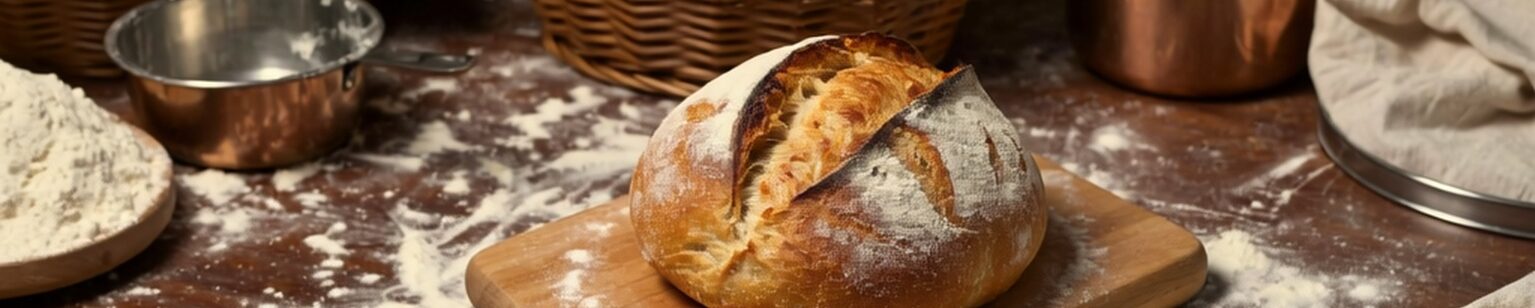
Rye flour behaves differently than wheat flour in baking. Source The proteins in rye don’t form gluten networks the same way wheat proteins do. This unique characteristic creates challenges for bakers who try using standard commercial yeast alone.
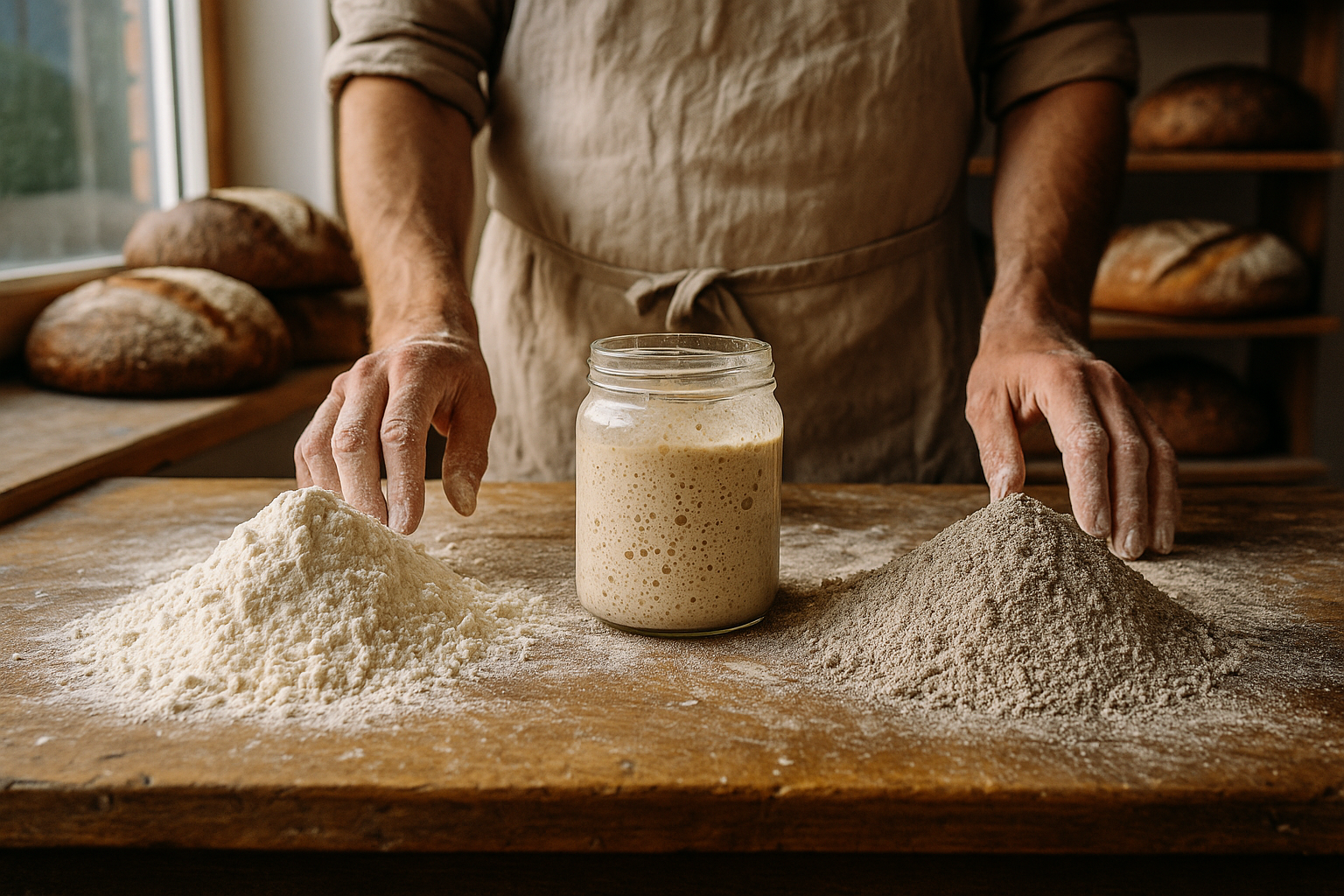
If you’re inspired to explore the fascinating world of rye and sourdough baking after learning about the science behind it, having the right equipment makes all the difference in your success. Starting your sourdough journey becomes much easier with a Complete Sourdough Starter kit that includes everything you need for fermentation and proofing in one convenient package. For bakers who want a dedicated proofing solution, the Superbaking Banneton Bread basket helps create those beautiful spiral patterns while supporting your dough during its final rise. The specially designed Shop KneadAce- Designed tools can help you handle sticky rye dough with greater confidence and precision throughout the baking process. Since rye flour is so critical to authentic sourdough bread, investing in quality King Arthur Baking organic medium rye flour ensures you’re working with the complex flavors and pentosans that make traditional rye breads so distinctive. Working with wet, sticky dough becomes significantly easier when you have a reliable KitchenAid Gourmet Bowl scraper set to cleanly gather every bit of dough from your mixing bowl and work surface. Temperature control is absolutely essential for proper fermentation, so a ThermoPro TP02S Digital food thermometer helps you monitor your dough and ensure optimal conditions for sourdough culture activity. Serious bakers who want consistent results regardless of kitchen temperature should consider the Brod Taylor Folding proofer, which maintains perfect fermentation conditions for developing that crucial acidity in rye sourdough. To deepen your understanding of the craft and science behind sourdough baking, the comprehensive book “The Perfect Loaf” offers detailed guidance on techniques and troubleshooting for all types of sourdough breads. For bakers interested in creating perfectly shaped sandwich loaves with their sourdough, a Spmarkt sandwich pullman loaf pan with lid produces professional-looking results with an even, fine crumb structure. Finally, rounding out your baking arsenal with the Prep Feast Must-Have baking equipment collection ensures you have all the essential tools needed to master the traditional techniques used by Northern European bakers for centuries.
Understanding the Science of Rye
Rye flour presents unique structural challenges for bakers. Unlike wheat, it lacks the proteins required to form strong gluten. Consequently, it relies heavily on other compounds for structure. Specifically, pentosans play a massive role in this process. These complex sugars absorb significant amounts of water. In fact, they can hold much more liquid than wheat proteins. Therefore, the dough often feels more like wet clay than elastic bread dough.
Furthermore, rye flour possesses high enzymatic activity. Amylase enzymes naturally present in the grain can destroy the bread’s structure. If left unchecked, they break down starches too quickly during baking. As a result, the crumb becomes a gummy, unappetizing mess. This chemical reaction is often called “starch attack.” To prevent this, bakers must use specific fermentation strategies.
The Role of Acidity
Acid is the secret weapon against sticky rye. Sourdough cultures provide the necessary acidity to control these enzymes. The lowered pH effectively slows down amylase activity. Thus, the starches remain intact, and the bread sets correctly. This is why countries like Germany and Russia rely on sourdough. Their traditional recipes are not just about flavor. Instead, they are chemically necessary for a successful bake.
Why Sourdough is Essential for Rye:
- Enzyme Control: Acidity prevents the breakdown of starch.
- Structure Support: It strengthens the delicate pentosan network.
- Flavor Profile: Fermentation balances the earthy taste of rye.
Techniques from Northern Europe
Northern European traditions mastered this difficult grain centuries ago. For instance, German bakers developed techniques specifically for this stickiness. They treat rye very differently than wheat. Instead of vigorous kneading, they mix the dough gently. Overworking the dough actually breaks down the delicate pentosan networks. Consequently, the loaf loses its shape and becomes flat.
Scandinavian bakers also adapted their methods for high-rye breads. For example, Danish Rugbrød uses a pan to support the heavy dough. This allows the baker to use high hydration without losing structure. Additionally, they often use a “soaker” method. This involves soaking seeds or grains before mixing. Therefore, the water is evenly distributed throughout the dense loaf.
Tips for Managing Sticky Dough:
- Wet Hands: Always dip hands in water before touching the dough.
- Use a Scraper: A bench scraper is vital for moving the mass.
- Short Mix Times: Stop mixing once the ingredients are combined.
Ultimately, the result is worth the struggle. A properly fermented rye bread offers incredible depth. It stays fresh for weeks due to the moisture-retaining pentosans. Moreover, the dense texture is a feature, not a flaw. It pairs perfectly with hearty toppings like smoked fish or cheese. Therefore, mastering these sticky compounds is essential for authentic flavor.
Sourdough fermentation solves these problems through natural acidification. The lactic acid bacteria in sourdough starters produce acids that lower the dough’s pH level. This acidic environment activates enzymes that break down the sticky pentosans. Furthermore, the acids help strengthen the weak protein structure in rye flour.
Why Commercial Yeast Falls Short
Commercial yeast works quickly but lacks the chemical complexity rye flour needs. Standard baker’s yeast produces carbon dioxide rapidly for leavening. However, it doesn’t create the acidic conditions necessary for proper rye bread development. The result is a dense, gummy loaf that lacks structure and flavor.
Sourdough cultures contain both wild yeasts and beneficial bacteria. These microorganisms work together over longer fermentation periods. The bacteria produce lactic and acetic acids that transform the rye flour’s chemistry. Meanwhile, the wild yeasts provide steady, controlled leavening that suits rye’s slower development.
The Science Behind Extended Fermentation
The extended fermentation period in sourdough bread-making typically spans 12 to 48 hours. During this time, naturally occurring enzymes become highly active. These biological catalysts work methodically to transform the dough’s internal structure. Moreover, the slow process creates ideal conditions for enzymatic activity. Temperature plays a crucial role in enzyme efficiency. Most bakers maintain their dough between 70-75°F for optimal results.
How Enzymes Transform Starches
Amylase enzymes specifically target complex carbohydrate chains in flour. They systematically break down long starch molecules into maltose and glucose. Consequently, the dough becomes sweeter and more flavorful over time. This natural sweetness develops without adding any sugar. Furthermore, these simpler sugars provide food for beneficial bacteria. The wild yeast in sourdough starter feeds on these converted sugars. As a result, the bread develops its characteristic tangy flavor profile.
Protein Modification for Better Texture
Protease enzymes work simultaneously to modify gluten proteins in the dough. They break down complex protein structures into smaller, more manageable chains. Therefore, the final bread becomes more digestible for many people. Additionally, this protein breakdown creates a softer, more extensible dough. The crumb structure becomes more open and airy. In contrast, quick-rise breads lack this protein development entirely. The extended timeline allows for thorough gluten network formation.
Why Commercial Yeast Cannot Replicate This
Commercial yeast methods typically require only 1-3 hours of fermentation. However, this abbreviated timeline prevents adequate enzyme activity. The enzymes simply don’t have sufficient time to complete their work. Moreover, commercial yeast produces carbon dioxide too quickly. This rapid rise prioritizes speed over flavor development. Consequently, the bread lacks depth and complexity. Traditional sourdough methods cannot be rushed without sacrificing quality. The time investment directly correlates with superior nutritional value and taste.
German Bread Culture’s UNESCO Recognition
Germany’s bread culture earned UNESCO Intangible Cultural Heritage status in 2014. Source This recognition celebrates the country’s exceptional bread-making traditions. The designation acknowledges Germany’s remarkable diversity of bread varieties and baking techniques.
German bakers produce over 3,000 different types of bread. This variety exceeds what most other countries offer. The tradition involves centuries of accumulated knowledge passed down through generations. Furthermore, German baking guilds maintain strict quality standards and training programs.
Rye bread holds special significance in this cultural heritage. Northern and central German regions particularly favor dense, dark rye breads. These breads sustained communities through harsh winters and difficult times. Indeed, rye cultivation thrived in Germany’s cooler climates where wheat struggled.
The Cultural Importance of Bread Baking
Bread baking represents more than just food production in German culture. It embodies regional identity and community connections. Each area developed distinct bread styles reflecting local ingredients and preferences. Master bakers serve as guardians of these traditions.
Apprenticeships in German bakeries last three years. Young bakers learn traditional techniques alongside modern methods. They study the science of fermentation and the art of shaping dough. This rigorous training ensures quality standards continue across generations.
Family bakeries remain common throughout Germany today. These establishments often operate for multiple generations in the same location. Customers develop lifelong relationships with their local bakers. This personal connection strengthens the cultural importance of bread in daily life.
Classic German Rye Bread Varieties
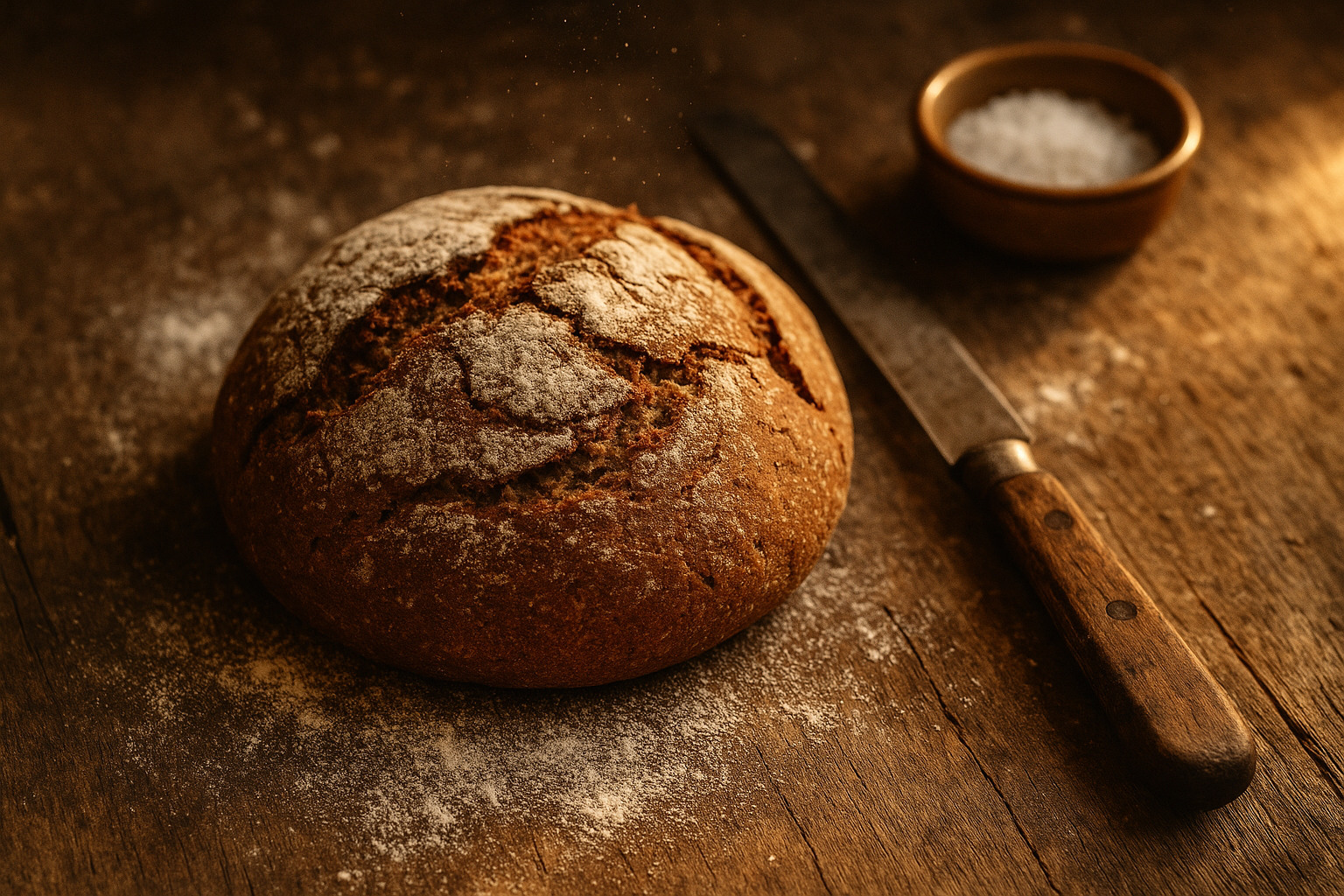
Pumpernickel represents one of Germany’s most distinctive rye breads. This dark, dense bread originates from Westphalia. Traditional pumpernickel contains only rye meal, water, salt, and sourdough starter. The bread bakes at low temperatures for up to 24 hours.
The long baking process caramelizes the bread’s natural sugars. This creates pumpernickel’s characteristic dark color and slightly sweet flavor. The bread develops a moist, compact crumb without added sweeteners. Subsequently, pumpernickel can stay fresh for months when stored properly.
Mischbrot: The Balanced Approach
Mischbrot translates to “mixed bread” in English. These breads combine rye and wheat flours in varying proportions. The mixture provides a lighter texture than pure rye while maintaining rye’s distinctive flavor. Typically, mischbrot contains 30-70% rye flour.
Mastering the Flour Blend
In Germany, the specific combination of grains often tells a story about local agriculture and tradition. Specifically, Northern regions frequently lean toward heavier rye concentrations due to their cooler climates. In contrast, Southern areas usually prefer lighter wheat mixtures that reflect warmer growing conditions. Bakers carefully calibrate these ratios to achieve a specific crumb structure.
For example, consider how the percentage changes the loaf:
- 90% Rye: Produces a very dark, intense, and compact bread.
- 50% Rye: Offers a balanced texture that is easy to slice.
- 30% Rye: Results in a mild flavor with a fluffier interior.
The Impact of Rye Content
Rye flour behaves drastically differently than standard wheat options during the baking process. Because it lacks strong gluten, the resulting crumb becomes naturally compact. Additionally, this grain imparts a distinct, earthy flavor profile that defines traditional German baking.
Furthermore, high-rye loaves offer practical benefits beyond taste. Notably, the dense structure retains moisture exceptionally well. As a result, these breads stay fresh for significantly longer periods than pure wheat varieties. This longevity made them a staple food source throughout history.
Why Wheat Remains Essential
On the other hand, wheat flour provides essential structural integrity to the Mischbrot. It allows the dough to capture gas bubbles effectively during the rising phase. Consequently, the bread achieves a higher loft and features a more open texture.
This lightness perfectly balances the heavy nature of rye. Therefore, adding wheat creates a loaf that is versatile enough for sandwiches or breakfast. Without this addition, the bread might feel too heavy for some modern palates.
The Science of Sourdough Acidity
However, mixing these flours requires more than just commercial yeast. Rye flour contains enzymes called amylases that can make bread gummy if left unchecked. Therefore, the acidity from a sourdough starter is non-negotiable.
The starter performs several critical functions:
- Neutralization: The acid inhibits rye enzymes, preventing a sticky crumb.
- Flavor: It adds a complex tang that complements the earthiness.
- Rise: Wild yeast provides the necessary lift for heavy doughs.
Ultimately, this biological process ensures the bread bakes thoroughly and tastes authentic.
Roggenmischbrot specifically contains at least 51% rye flour. This variety offers excellent nutritional value and keeping qualities. The bread pairs well with hearty German foods like sausages and cheese. Many Germans consider it the perfect everyday bread.
Vollkornbrot and Whole Grain Traditions
The German Rye Tradition
Germany stands out as a global leader in sourdough culture. Specifically, Vollkornbrot represents the pinnacle of whole-grain baking within this tradition. Literally translating to “whole grain bread,” this loaf is a staple in German households. Consequently, it offers a robust flavor profile that standard white breads simply cannot match.
Unlike lighter loaves, this bread relies entirely on whole grain rye flour. This means the flour retains the nutrient-rich bran and germ. Therefore, the final product is packed with essential vitamins and minerals. Additionally, the absence of refined wheat flour gives it a distinctively dark color and earthy taste.
The Science of Fermentation
The baking process is unique due to the chemistry of rye. Rye flour does not develop gluten like wheat does. Instead, it relies on pentosans for structure. However, these starches require acidity to set correctly. Thus, a long, slow sourdough fermentation is absolutely mandatory.
Without this crucial step, the bread would be dense and gummy. Furthermore, the sourdough starter creates an environment that prevents spoilage. This natural preservation allows the bread to stay fresh for weeks. Meanwhile, the acidity balances the sweet, nutty flavors of the grain.
This extended fermentation period serves another purpose. It significantly improves digestibility. The natural acidity breaks down phytates found in the grain. As a result, the body can absorb minerals like iron and zinc more efficiently.
Texture and Ingredients
To enhance the experience, bakers frequently incorporate rye berries or cracked rye chops. This addition transforms the crumb structure. It introduces a pleasant chewiness that contrasts with the moist interior. Moreover, soaking these berries beforehand ensures they are soft enough to eat.
Common additions to the dough include:
- Sunflower seeds for crunch
- Linseeds (flax) for omega-3s
- Oats to soften the crust
Because of its density, Vollkornbrot is best enjoyed in thin slices. In Germany, it is the foundation of Abendbrot (evening bread). Ideally, you should pair it with strong toppings. For example, aged cheese, cured meats, or smoked fish work perfectly. Finally, a simple layer of high-quality butter highlights the complex sour notes.
The bread develops complex flavors during long fermentation periods. Nutty, earthy notes emerge alongside subtle sourness. Vollkornbrot’s dense structure makes it ideal for thin slicing. Germans traditionally serve it with butter and cold cuts for breakfast.
Creating Authentic German Rye Bread at Home
Understanding the German Rye Bread Timeline
Creating authentic German rye bread demands a commitment that spans several days. Furthermore, bakers must embrace a slower pace than modern convenience typically allows. The journey starts well before mixing any dough. Indeed, preparation begins with your sourdough culture itself.
Cultivating Your Rye Starter
Your sourdough starter serves as the foundation for exceptional bread. Moreover, this living culture requires consistent attention and care. Think of it as a pet that needs daily feeding. Consequently, neglecting your starter results in weak, inactive yeast cultures.
Regular feeding schedules typically follow this pattern:
- Feed every 12 hours during active use
- Maintain a 1:1:1 ratio of starter, flour, and water
- Use room temperature filtered water
- Additionally, keep your starter in a warm spot
The Maturation Process
A mature rye sourdough starter develops complex flavors over time. However, this maturation doesn’t happen overnight. Most bakers agree that starters need at least two weeks to develop properly. Meanwhile, some traditional German bakers prefer starters aged several months or even years.
The benefits of an aged starter include:
- Stronger fermentation power for better rise
- Enhanced flavor complexity with tangy notes
- More reliable performance in cold conditions
- Better structure in dense rye breads
Therefore, patience during this phase pays dividends in your final loaf. Additionally, older starters produce that distinctive sour taste German rye bread is famous for.
Traditional German Roggenbrot (Rye Bread)
Understanding the Key Components
Selecting high-quality ingredients is vital for authentic European bread. This recipe specifically reflects the dense, flavorful loaves found in Germany and Scandinavia. Therefore, precision with these items is necessary for success. Unlike wheat breads, rye requires a specific chemical balance to rise properly. Consequently, each element plays a distinct structural role.
The Foundation: Whole Rye Flour
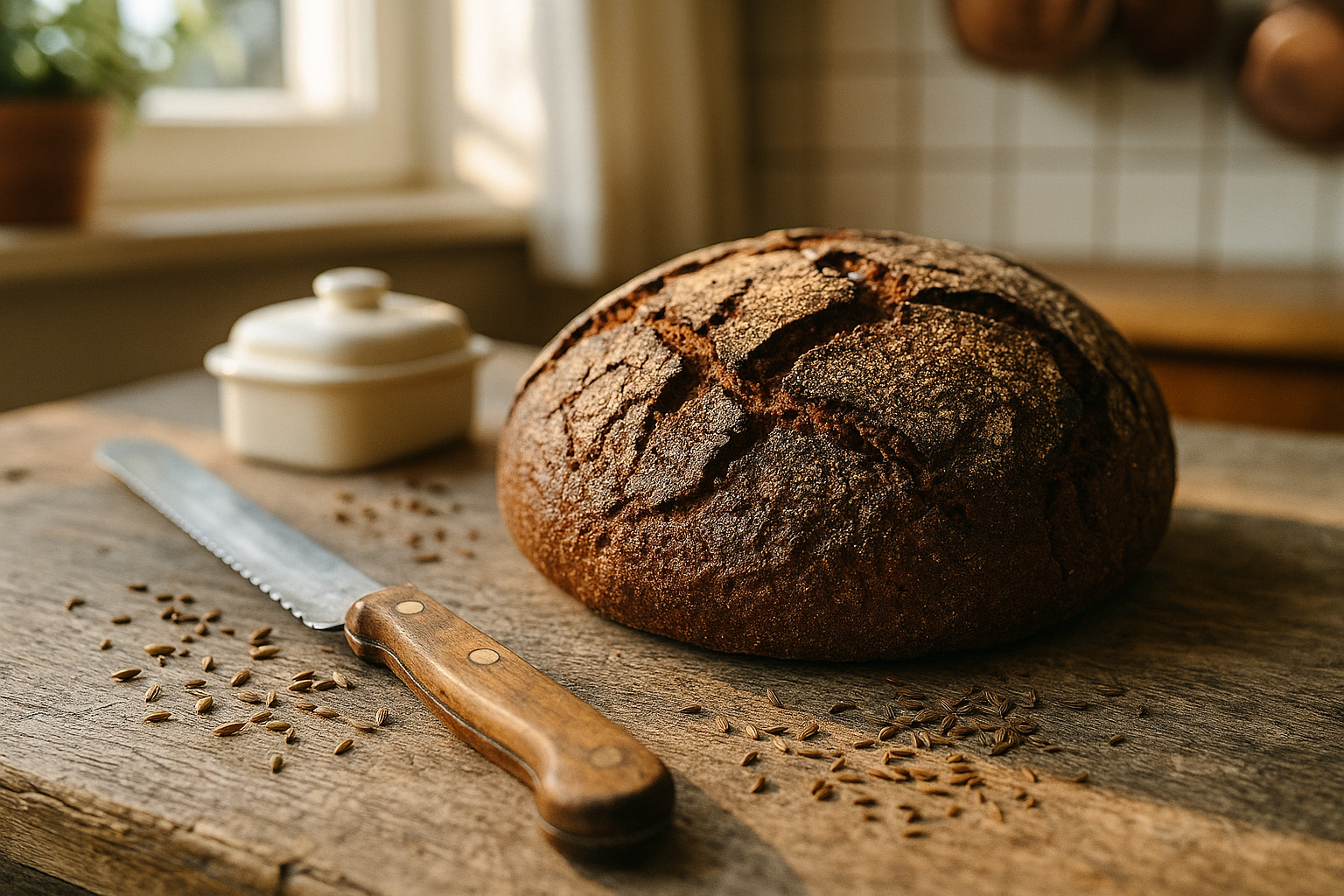
The star of this recipe is 500g of whole rye flour. This flour contains the entire berry, including the bran and germ. As a result, it provides a deep, earthy flavor profile. Additionally, it creates the signature dark color of traditional Roggenbrot. Rye does not possess the same gluten structure as wheat. Thus, the dough will feel heavy and clay-like. Do not substitute this with white flour. Doing so would drastically alter the hydration requirements.
The Leavening Agent
You must use 200g of active rye sourdough starter. For this recipe, the starter needs 100% hydration. This means it contains equal parts flour and water by weight. Furthermore, a rye-fed starter is crucial here. It introduces high acidity levels to the dough. This acidity is essential for conditioning rye gluten. Without it, the bread may become gummy or collapse. Ensure the starter is bubbly and peaked before mixing.
Hydration and Seasoning
The 300ml of warm water acts as the catalyst. It hydrates the flour and regulates dough temperature. Warmth helps fermentation start immediately. However, ensure the water is not too hot. Extreme heat will kill the natural yeast culture.
Flavor balance relies heavily on 12g of salt. Salt does more than season the loaf. It also tightens the gluten structure. Meanwhile, the 1 tbsp of caraway seeds offers a classic aromatic twist. This addition is highly traditional in Austrian and German baking. Nevertheless, you can omit them if you prefer a plain loaf.
Summary of Ingredient Tips:
- Freshness: Use freshly milled rye flour if possible.
- Activity: Feed your starter 4-6 hours before baking.
- Temperature: Keep water around 85°F (29°C).
- Texture: Expect a sticky paste, not a smooth dough.
Preparing Your Sourdough Base
Begin by activating your sourdough starter several hours before mixing. The starter should be bubbly and have doubled in size. Pour warm water into a spacious mixing bowl, ensuring the temperature stays between 35-40°C. Add your active starter to the water. Use a whisk or your hands to blend thoroughly. The mixture should look milky and slightly frothy. This step ensures even distribution of the wild yeasts throughout your dough.
Incorporating Dry Ingredients
Next, add the rye flour to your liquid mixture. Pour it gradually while stirring continuously. This prevents lumps from forming in your dough. Sprinkle the salt evenly across the surface. Furthermore, avoid placing salt directly on the starter initially. Salt can inhibit yeast activity if concentrated. Mix vigorously using a wooden spoon or dough whisk. Continue stirring until every trace of dry flour disappears. The dough will appear shaggy and rough at this stage.
Kneading Technique and Development
Transfer the mixture onto a clean work surface. Additionally, you can knead directly in the bowl if preferred. Work the dough with your palms using a push-fold-turn motion. Maintain consistent kneading for 5-7 minutes without interruption. The dough will gradually transform from rough to smooth. However, expect it to remain somewhat sticky due to rye’s unique properties. This stickiness is normal and desirable. Resist adding extra flour as this alters the hydration balance.
Adding Aromatic Seeds
If incorporating caraway seeds, measure approximately 1-2 tablespoons. Sprinkle them evenly across the dough surface. Fold the dough over the seeds repeatedly. Continue kneading gently for another minute or two. Therefore, the seeds will distribute uniformly throughout the loaf. This creates pockets of flavor in every slice. Moreover, you can substitute with fennel or coriander seeds for variation.
Shaping and Proofing Setup
Form the dough into a tight round ball. Use your hands to create surface tension by rotating and tucking. Dust your banneton basket generously with rice flour or wheat flour. Rice flour prevents sticking more effectively than regular flour. Alternatively, line a mixing bowl with a clean kitchen towel. Flour the cloth liberally to avoid adhesion. Place your shaped dough seam-side up in the prepared container.
The Long Fermentation Process
Cover your dough with a damp towel or plastic wrap. Set it in a draft-free area of your kitchen. Room temperature should ideally range between 20-22°C. The fermentation will take 12-18 hours depending on ambient conditions. Meanwhile, warmer rooms accelerate the process while cooler spaces slow it. Check progress periodically by observing volume increase. The dough should expand by approximately 50% but not double. Consequently, over-proofing can cause collapse during baking.
Oven Preparation and Heat Management
Position your oven rack in the lower-middle section. Place a baking stone or heavy-duty baking sheet on the rack. Preheat your oven to 250°C for at least 45 minutes. This extended preheating ensures even heat distribution throughout. Additionally, place an empty metal pan on the bottom rack. This will create steam for crust development. The intense initial heat is crucial for oven spring.
Transferring and Scoring
Carefully invert your proofing basket over parchment paper. The dough should release cleanly onto the surface. Transfer the parchment to a pizza peel or flat baking sheet. Use a sharp blade or lame to score the top. Make decisive cuts about 1 cm deep at a 45-degree angle. Traditional patterns include crosses or single slashes. These scores control where the bread expands during baking. Furthermore, they create the signature artisan appearance.
Baking Process and Temperature Adjustment
Slide your dough onto the preheated baking surface quickly. Pour one cup of hot water into the bottom pan. This creates immediate steam for crust formation. Close the oven door promptly to trap the moisture. Immediately reduce the temperature to 220°C as instructed. This prevents excessive crust darkening too early. Bake undisturbed for the first 30 minutes. Afterward, rotate the loaf for even browning. Continue baking for another 20-30 minutes total.
Cooling and Final Steps
Remove the finished loaf when the crust appears deep mahogany brown. Tap the bottom; it should sound hollow when fully baked. Transfer immediately to a wire cooling rack. As a result, air circulates around the entire loaf. This prevents soggy bottoms from trapped steam. Resist cutting into the bread prematurely despite tempting aromas. The crumb continues setting during the cooling period. Therefore, wait at least 4 hours before slicing. Consequently, you’ll achieve clean slices with proper texture development.
Understanding Fermentation Times
Rye sourdough ferments more slowly than wheat sourdough. Temperature significantly affects fermentation speed. Warmer environments accelerate the process while cooler temperatures slow it down. Most German rye breads benefit from long, cool fermentations.
Mastering the Art of Rye Fermentation
Rye flour behaves uniquely compared to standard wheat flour. Consequently, it requires a specific approach common in German and Scandinavian baking traditions. The overnight rest allows complex flavors to mature slowly. Moreover, this extended time at room temperature is crucial for enzyme activity. It helps break down starches into sugars for the wild yeast. As a result, the final loaf possesses a rich, earthy taste. This process is the secret behind the robust flavor of famous European breads.
The Role of Acidity
Developing the right acidity is essential for rye sourdough. Specifically, rye relies on acid to stabilize its structure. Without sufficient acidity, the crumb can become gummy or sticky. Therefore, the long fermentation period serves a dual purpose. It enhances flavor and ensures the bread bakes correctly.
Key benefits of acid development include:
- Flavor Depth: Creates the signature tang found in Russian Black Bread.
- Preservation: Natural acids help the bread stay fresh longer.
- Structure: Acidity prevents the starch from degrading too quickly during baking.
Managing Volume and Structure
Bakers used to white sourdough often expect a dramatic rise. However, rye dough lacks the strong gluten network needed to trap massive amounts of gas. Instead, it relies on pentosans, which are viscous carbohydrates. Thus, the dough will expand but will never double in size. Aim for a volume increase of roughly 30% to 50%. Pushing the fermentation beyond this point can be disastrous. Unfortunately, over-proofed rye collapses easily and results in a dense, brick-like loaf.
Identifying Visual Cues
Since volume is unreliable, you must look for specific visual signs. The surface of the dough tells the real story. For example, the top should look like a gently curved dome. Additionally, the texture changes significantly as gas pockets form.
Look for these indicators of readiness:
- Pinhole Bubbles: Tiny holes appearing across the surface indicate active fermentation.
- Surface Cracks: Furthermore, distinct cracks often form like a dry riverbed.
- Matte Finish: The dough loses its wet shine and appears more matte.
- Spongy Texture: It should feel aerated and light when touched gently.
Underfermented rye bread produces disappointing results. The crumb remains gummy and the flavor tastes flat. Conversely, overfermented dough becomes too acidic and loses structure. Experience helps bakers recognize the optimal fermentation point.
The Health Benefits of Sourdough Rye Bread
Sourdough fermentation improves rye bread’s nutritional profile significantly. The process breaks down phytic acid, which normally binds minerals. This makes nutrients like iron, zinc, and magnesium more bioavailable. Therefore, your body absorbs these minerals more effectively.
Blood Sugar Management Benefits
The natural fermentation process fundamentally alters how the body processes sourdough bread. Lactic acid bacteria break down complex carbohydrates during fermentation. This breakdown creates a lower glycemic response in the body. Consequently, glucose enters the bloodstream more gradually after consumption.
Sourdough rye bread demonstrates particularly impressive glycemic properties. Studies show it produces blood sugar spikes up to 30% lower than white bread. Furthermore, the response remains more stable for several hours. This steadier pattern prevents the energy crashes common with refined grains.
Sustained Energy Throughout the Day
The slow-release carbohydrates provide multiple advantages for daily activities. For example, morning sourdough toast maintains focus until lunchtime. Additionally, afternoon consumption prevents the typical 3 PM energy slump. Athletes particularly benefit from this sustained fuel during training sessions.
Moreover, the stable blood sugar helps regulate appetite naturally. People feel satisfied longer after eating sourdough. As a result, they experience fewer cravings between meals. This metabolic benefit supports healthy weight management over time.
Digestive Health Advantages
Fiber content in traditional sourdough varieties offers substantial digestive support. Rye and whole grain versions contain both soluble and insoluble fiber. The soluble fiber feeds beneficial gut bacteria. Meanwhile, insoluble fiber promotes regular bowel movements and intestinal health.
Furthermore, fermentation pre-digests some fiber components. This process makes nutrients more accessible to the body. Therefore, even people with sensitive digestion tolerate sourdough better. The combination of fiber and fermentation creates optimal conditions for gut wellness.
Rye bread contains more fiber than most wheat breads. This fiber promotes healthy gut bacteria and regular digestion. The bread’s dense texture means smaller portions provide satisfying fullness. Many people find rye bread easier to digest than wheat bread.
Nutritional Advantages of Whole Rye
Whole rye flour preserves the grain’s complete nutritional package. The bran contains valuable B vitamins and minerals. The germ provides healthy fats and vitamin E. Together, these components offer superior nutrition compared to refined flours.
The Power of lignans in Rye
Rye flour is exceptionally rich in lignans. These are a specific type of polyphenol found in plants. Interestingly, gut bacteria convert plant lignans into human lignans. This conversion process may provide significant protective effects. For example, research suggests a link between high lignan intake and reduced cancer risk. Specifically, this applies to hormone-related cancers like breast or prostate cancer.
Moreover, these compounds act as potent antioxidants. They actively fight oxidative stress within the body. Consequently, eating rye sourdough supports long-term cellular health. This grain offers more than just empty calories. It provides a robust defense system for your internal organs.
Essential Minerals for Body Function
Beyond antioxidants, rye delivers a significant mineral payload. It is particularly dense in manganese and phosphorus. These minerals are not produced by the body naturally. Therefore, you must obtain them through your diet. Rye sourdough serves as an excellent vehicle for these nutrients.
Here is how these minerals support your daily health:
- Manganese: This trace mineral is essential for brain function. Furthermore, it aids in rapid wound healing and collagen production.
- Phosphorus: This element is a building block for DNA. Additionally, it works with calcium to maintain strong teeth and bones.
- Metabolic Support: Both minerals help convert food into usable energy.
The Sourdough Advantage
Opting for sourdough preparation maximizes these nutritional assets. The natural fermentation process reduces phytates found in raw grain. Phytates can block mineral absorption in the gut. However, the lactic acid in sourdough neutralizes these inhibitors. As a result, your body absorbs more manganese and phosphorus.
This increased bioavailability is a key benefit of traditional baking. Modern yeast breads do not offer this same advantage. Consequently, traditional European methods are superior for nutrition. You get more value from every slice you eat.
Global Traditions and Health
Nations like Germany, Russia, and Scandinavia have long recognized this value. They produce dense, dark loaves known as Pumpernickel or Rugbrød. These breads rely heavily on whole rye berries. Thus, they retain the full spectrum of lignans and minerals.
These cultures have historically relied on rye for survival. Today, we understand the science behind their health. Eating these famous sourdough varieties supports metabolic function. It also ensures you receive adequate bone-strengthening minerals. Therefore, choosing dark rye is a choice for longevity.
Simple Pumpernickel Bread
Ingredients:
- 400g coarse rye meal or pumpernickel flour
- 150g active rye sourdough starter
- 350ml warm water
- 10g salt
- 2 tbsp molasses
- 1 tbsp cocoa powder (for color)
Instructions:
- Combine the sourdough starter, warm water, and molasses in a mixing bowl.
- Add the rye meal, salt, and cocoa powder, mixing thoroughly until uniform.
- Transfer the thick batter to a greased loaf pan, smoothing the top with wet hands.
- Cover the pan and let the dough ferment for 8-10 hours at room temperature.
- Preheat the oven to 120°C (250°F).
- Cover the loaf pan tightly with aluminum foil to trap moisture.
- Bake for 16-20 hours, checking occasionally to ensure the foil remains secure.
- Remove from the oven and let cool completely in the pan.
- Turn out the loaf and wrap it in parchment paper.
- Store for 24-48 hours before slicing to allow flavors to develop fully.
Preserving German Bread Traditions Today
Modern German bakeries balance tradition with contemporary demands. Many establishments still bake bread using time-honored methods. Wood-fired ovens remain popular for producing authentic flavors and crusts. However, bakers also embrace technology that improves consistency and efficiency.
Younger generations show renewed interest in artisan bread-making. Home bakers increasingly experiment with sourdough and traditional recipes. Online communities share knowledge about German bread techniques. This revival ensures these cultural practices continue thriving.
The Global Impact of UNESCO Status
The official designation sparked a massive shift in global culinary tourism. Suddenly, travelers prioritized German bakeries alongside historic castles. Consequently, food enthusiasts now flock to cities like Berlin specifically for rye sourdough. This prestige validates centuries of artisanal work. Furthermore, it elevates the humble loaf to the status of fine art. The recognition proves that bread is cultural heritage, not just a staple food.
Mastering Complex Techniques
Culinary schools worldwide have updated their curriculums to include traditional German techniques. Specifically, aspiring bakers study complex fermentation methods previously ignored outside Europe. They realize that German bread requires science, patience, and skill.
Key skills international bakers now pursue include:
- Three-stage fermentation: A method ensuring deep, complex flavor profiles.
- Rye handling: Techniques for managing sticky, low-gluten doughs.
- Crust development: Secrets to achieving the perfect, hearty crunch.
For instance, the three-stage rye process is now a standard skill for master bakers. Therefore, students must understand precise temperature controls and acidity levels. This knowledge transfer creates a more skilled generation of artisan bakers.
Innovation and Local Pride
Innovation thrives when cultures collide in the bakery. Chefs are currently blending German sourdough starters with local ingredients from other regions. As a result, unique hybrids like miso-rye loaves are appearing in boutique bakeries. Additionally, the hearty texture of German grain is influencing sandwich trends globally. This fusion preserves the soul of the original while adding modern twists.
Within Germany, this acclaim has renewed a sense of national pride. Master bakers feel empowered to uphold strict quality standards. Moreover, they are increasingly dedicated to the German Bread Registry. Young apprentices now view baking as a trendy, respected career path. Consequently, the trade is seeing a revival rather than a decline.
The Future of Rye Bread Culture
Climate change and agricultural shifts present challenges for rye cultivation. However, rye’s hardiness makes it valuable for sustainable farming. The grain requires fewer inputs than wheat and tolerates poor soils. Consequently, rye may become increasingly important for food security.
Health-conscious consumers drive growing demand for whole grain breads. Sourdough rye bread fits perfectly with these nutritional preferences. The bread’s natural fermentation and minimal ingredients appeal to clean eating advocates. This trend supports continued interest in traditional German breads.
Educational programs teach bread-making skills to new generations. Baking schools preserve traditional knowledge while encouraging innovation. Museums and cultural centers document bread’s role in German history. These efforts ensure that bread culture remains vibrant and relevant for future generations.
If you’re inspired to explore the fascinating world of rye and sourdough baking after learning about the science behind it, having the right equipment makes all the difference in your success. Starting your sourdough journey becomes much easier with a Complete Sourdough Starter kit that includes everything you need for fermentation and proofing in one convenient package. For bakers who want a dedicated proofing solution, the Superbaking Banneton Bread basket helps create those beautiful spiral patterns while supporting your dough during its final rise. The specially designed Shop KneadAce- Designed tools can help you handle sticky rye dough with greater confidence and precision throughout the baking process. Since rye flour is so critical to authentic sourdough bread, investing in quality King Arthur Baking organic medium rye flour ensures you’re working with the complex flavors and pentosans that make traditional rye breads so distinctive. Working with wet, sticky dough becomes significantly easier when you have a reliable KitchenAid Gourmet Bowl scraper set to cleanly gather every bit of dough from your mixing bowl and work surface. Temperature control is absolutely essential for proper fermentation, so a ThermoPro TP02S Digital food thermometer helps you monitor your dough and ensure optimal conditions for sourdough culture activity. Serious bakers who want consistent results regardless of kitchen temperature should consider the Brod Taylor Folding proofer, which maintains perfect fermentation conditions for developing that crucial acidity in rye sourdough. To deepen your understanding of the craft and science behind sourdough baking, the comprehensive book “The Perfect Loaf” offers detailed guidance on techniques and troubleshooting for all types of sourdough breads. For bakers interested in creating perfectly shaped sandwich loaves with their sourdough, a Spmarkt sandwich pullman loaf pan with lid produces professional-looking results with an even, fine crumb structure. Finally, rounding out your baking arsenal with the Prep Feast Must-Have baking equipment collection ensures you have all the essential tools needed to master the traditional techniques used by Northern European bakers for centuries.
*As an Amazon Associate, I earn from qualifying purchases.