Mastering the Art of Sourdough Scoring
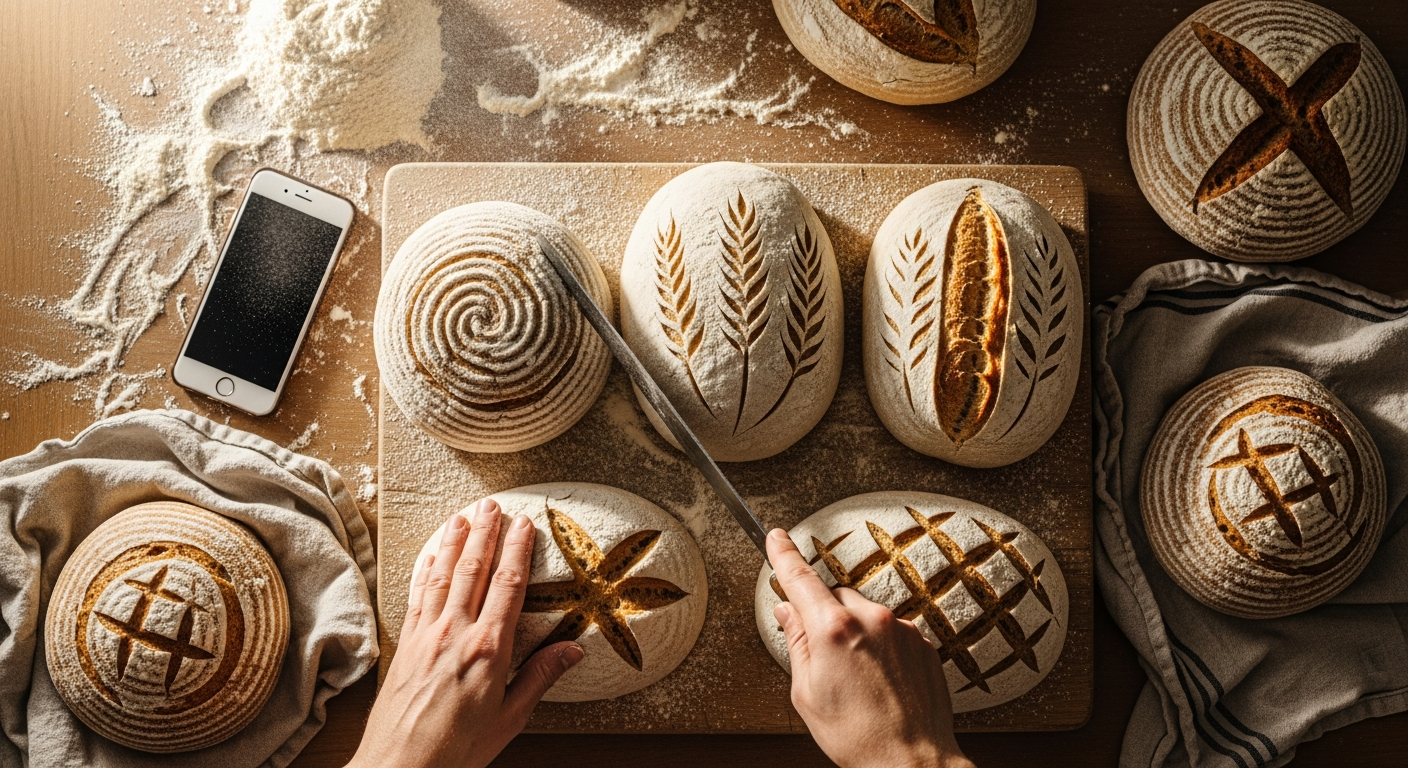
Sourdough scoring is an essential technique for bakers aiming to perfect their craft. It involves creating cuts on the surface of the dough before baking, allowing it to expand and achieve a desired shape. Proper scoring not only enhances the bread’s appearance but also influences its texture and structure. Understanding the nuances of scoring can transform a simple loaf into a masterpiece.
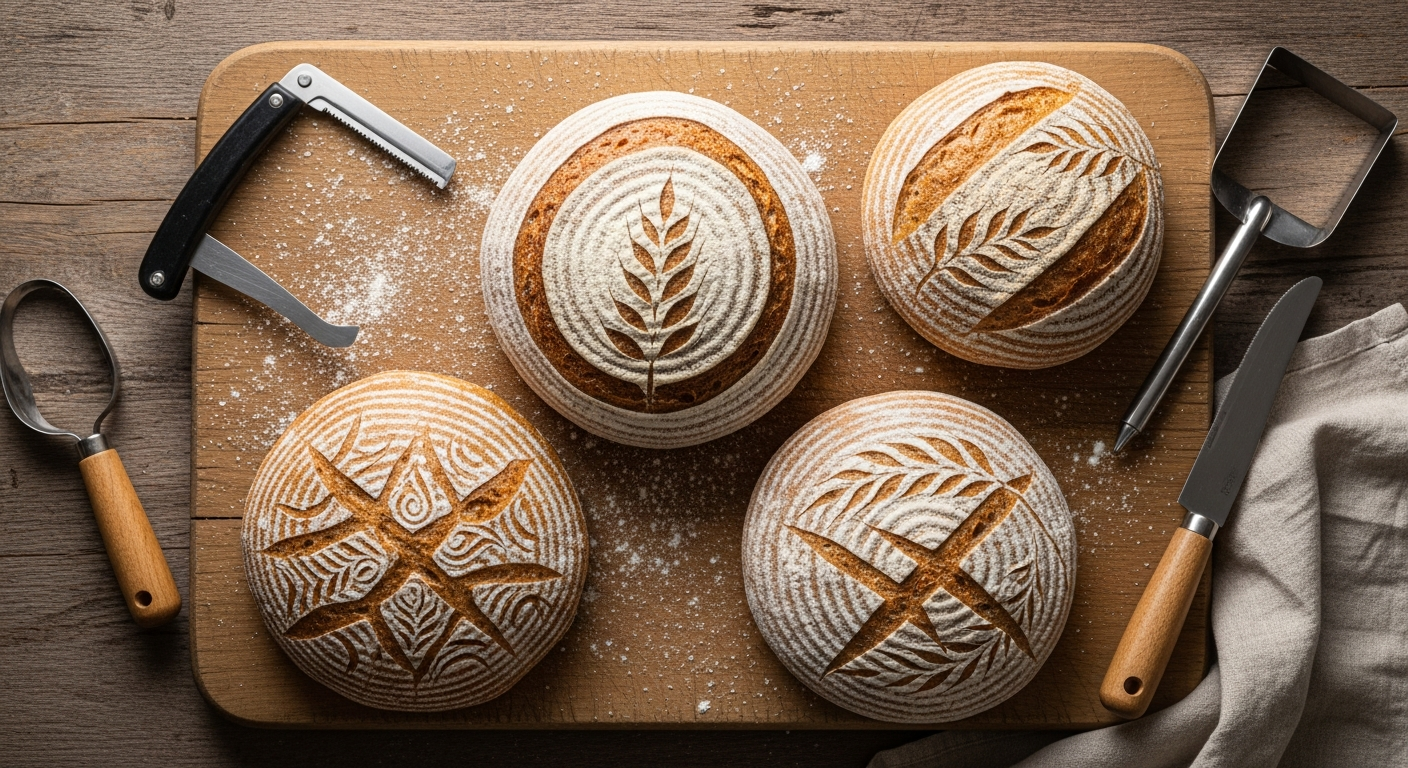
If you’re serious about mastering the art of sourdough scoring, having the right tools and supplies makes all the difference in achieving professional results. Starting with a quality bread lame, you’ll find that the precision and control it offers transforms your scoring technique from amateur to artisan in just a few loaves. For bakers who want versatility and portability, a folding bread lame provides the convenience of taking your scoring tool anywhere while maintaining the sharp edge needed for clean cuts. Learning different scoring patterns becomes much easier when you have an instructional scoring guide that shows you exactly how to create beautiful designs on your loaves with step-by-step visual references. Another excellent option for beginners is this magnetic bread lame with pattern guide, which combines convenience with education to help you develop your scoring skills quickly. Since blades dull over time with regular use, keeping a supply of replacement scoring blades ensures you always have sharp edges ready for creating those perfect, clean cuts on your dough. Once your beautifully scored bread comes out of the oven, you’ll want a proper bamboo cutting board set for slicing and serving your artisan loaves with the care they deserve. The proofing stage before scoring is equally important, which is why investing in banneton proofing baskets helps your dough develop the proper structure and those attractive circular patterns that complement your scoring designs. To deepen your understanding of the entire sourdough process from mixing to scoring, The Perfect Loaf cookbook offers comprehensive guidance on both the science and artistry behind exceptional bread making. Finally, every baker needs a set of flour sack kitchen towels for covering dough during proofing, handling hot loaves, and maintaining a clean workspace throughout the entire baking process from start to finish.
*As an Amazon Associate, I earn from qualifying purchases.
Importance of Sourdough Scoring
Why Scoring Matters for Sourdough Shape
Scoring serves as a roadmap for your sourdough during its final transformation in the oven. Moreover, these deliberate cuts create weak points in the dough’s surface. The bread will naturally expand through these designated pathways. Consequently, you gain control over the loaf’s appearance and structure.
Furthermore, the relationship between scoring and oven spring is critical. As the dough heats, trapped gases expand rapidly. Therefore, pressure builds beneath the crust. Without strategic cuts, this pressure seeks the weakest point randomly. Your loaf might tear along the bottom or sides unexpectedly.
The Consequences of Poor Scoring
Inadequate scoring techniques lead to several common problems for home bakers. For example, the crust may develop unsightly blowouts along the sides. Additionally, the crumb structure can become compressed in certain areas. Meanwhile, other sections expand too aggressively.
Random bursting also affects the bread’s texture. The uncontrolled expansion creates dense pockets within the loaf. In contrast, properly scored bread develops an even, open crumb throughout. Moreover, irregular bursting often produces a lopsided shape that’s difficult to slice evenly.
Strategic Placement Creates Beauty
Professional bakers understand that scoring is both functional and artistic. Therefore, they plan their cuts carefully before the blade touches dough. The depth, angle, and pattern all work together harmoniously. As a result, the finished loaf displays intentional design elements.
For instance, a single long slash creates a dramatic ear. This raised crust edge becomes a signature feature. Alternatively, multiple shallow cuts form geometric patterns across the surface. However, each approach requires different techniques and timing to execute successfully.
Moreover, scoring impacts the crust’s texture. Source Deep cuts encourage a crispier crust, while shallow ones allow for a softer finish. Therefore, bakers must consider their desired outcome when choosing their scoring technique. Additionally, the scoring pattern can influence how the crumb develops inside the loaf. By varying the depth and angle of the cuts, bakers can affect the openness and lightness of the crumb .
Techniques for Different Loaf Shapes
Scoring Boules
Mastering the Classic Boule Score
Round sourdough loaves demand thoughtful scoring approaches to develop their signature appearance. The single slash method stands as the most traditional technique for boules. Bakers position their lame at a 30-45 degree angle to the dough surface. They then draw a confident stroke across the entire diameter. This cut should penetrate approximately half an inch deep into the dough.
The depth of this score proves critical for proper expansion. Furthermore, the angled blade creates a lip or “ear” along one edge. This ear becomes beautifully caramelized during baking. It adds both texture and visual interest to the finished loaf. Many artisan bakeries use this technique as their signature style.
Exploring Starburst Patterns
The starburst design offers an eye-catching alternative to simple slashes. Bakers create this pattern by making four to eight cuts radiating outward. Each cut originates from a central point on the dough’s crown. The cuts should extend about two-thirds toward the loaf’s edge. Additionally, maintaining consistent spacing between cuts ensures a balanced final appearance.
This pattern serves both aesthetic and functional purposes effectively. The multiple expansion points allow steam to escape uniformly throughout baking. Consequently, the crumb structure develops more evenly across the entire loaf. The visual result resembles a blooming flower or sunburst. Moreover, each segment of crust develops its own unique character during the bake.
Achieving Consistent Results
Temperature significantly impacts how scoring patterns open during baking. Cold dough from refrigeration holds its shape better during scoring. Therefore, many bakers score their boules straight from an overnight cold proof. The contrast between cold dough and hot oven creates dramatic oven spring.
Practice remains essential for developing confident scoring technique. However, even imperfect scores often yield beautiful, rustic results. The key lies in making deliberate, swift movements with your blade.
Scoring Batards
Mastering the Batard Scoring Technique
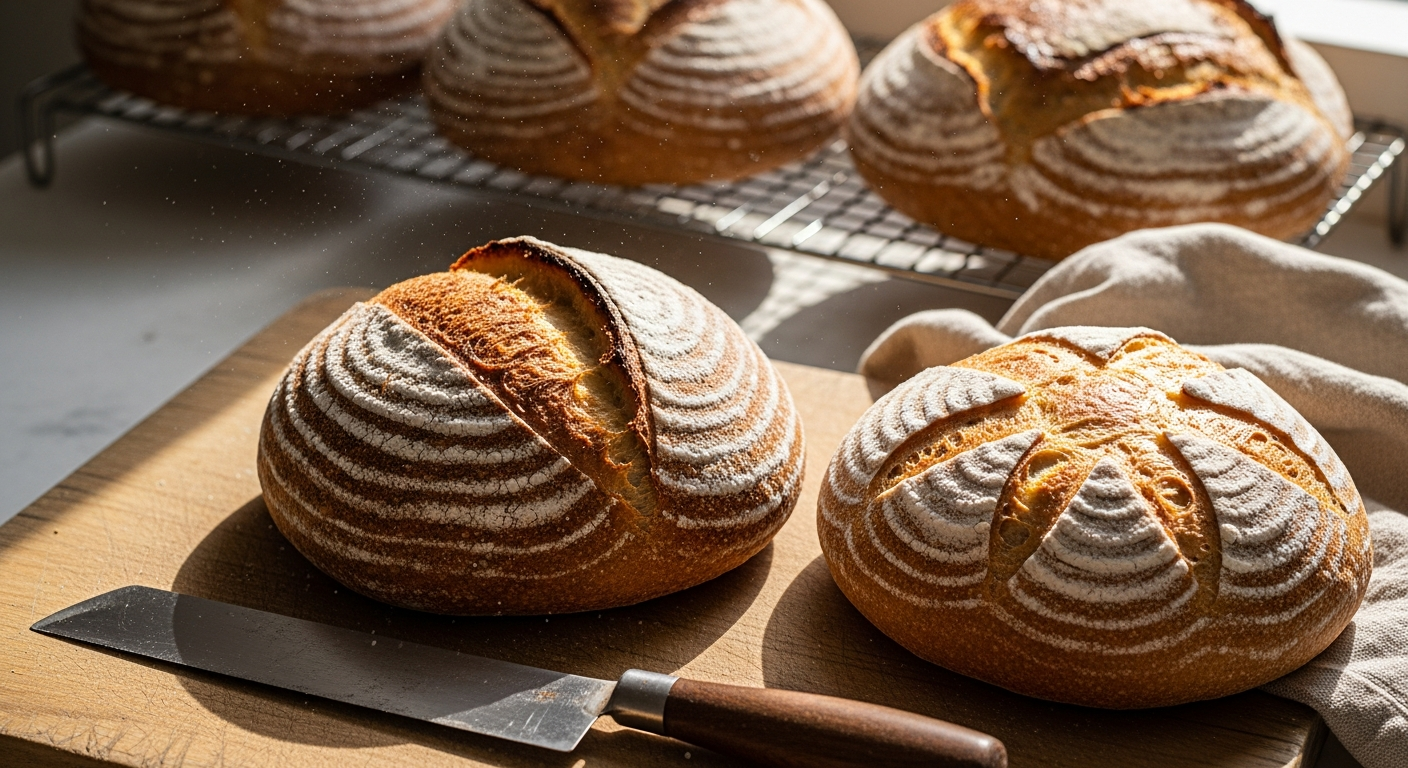
The batard loaf presents unique opportunities for artistic expression through scoring. Unlike round boules, these oval-shaped loaves require specific cutting patterns to achieve their signature elongated appearance. The primary score runs straight down the center, acting as the main expansion channel. This central cut should be approximately half an inch deep. Moreover, the angle of your blade matters significantly for optimal results.
Positioning your lame at a 30-degree angle creates the perfect ear formation. This technique allows the dough to bloom upward rather than spreading outward. The resulting ridge adds both visual appeal and textural contrast. Additionally, the depth consistency throughout your cut ensures even expansion during baking.
Advanced Scoring Patterns for Batards
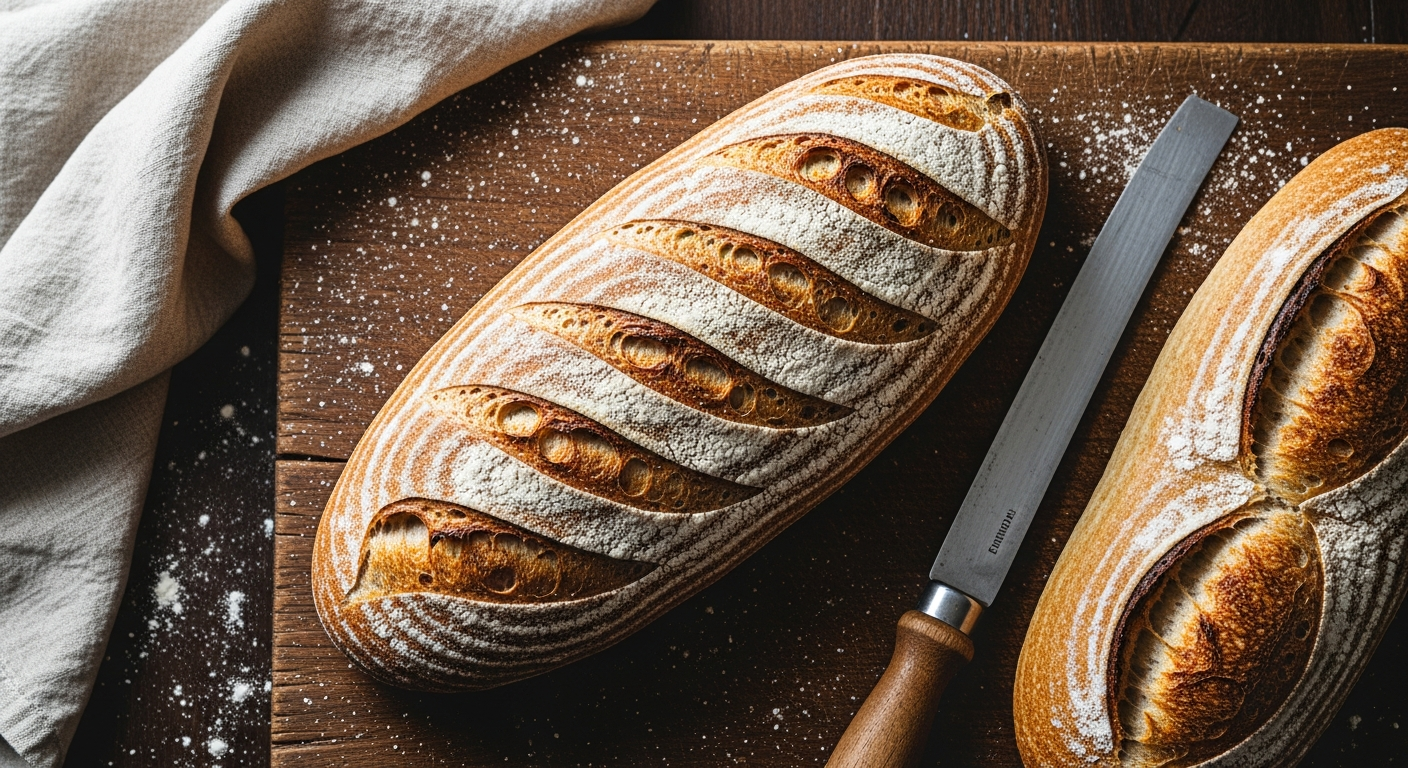
Decorative diagonal scores transform a simple batard into an artisan masterpiece. These secondary cuts typically angle at 45 degrees from the main score. Furthermore, spacing them evenly along the loaf’s length creates balanced aesthetics. Most bakers position three to five diagonal cuts per side.
However, these decorative scores serve functional purposes beyond appearance. They act as controlled release points for steam and gases. Consequently, your loaf maintains its intended oval shape throughout the baking process. The bread expands predictably rather than bulging unpredictably in weak spots.
Strategic Placement Considerations
The positioning of side scores requires careful planning. Start approximately two inches from each end of your batard. Meanwhile, ensure each cut penetrates only a quarter-inch deep. Deeper cuts compete with your central score for dominance. Therefore, shallow decorative cuts complement rather than overwhelm the primary expansion point.
Symmetry is crucial for professional-looking results. Use visual markers or gentle indentations before committing to your cuts. As a result, your finished loaf displays intentional artistry rather than haphazard slashing.
Essential Tools for Sourdough Scoring
The Baker’s Lame: The Gold Standard
Precision begins with selecting the correct equipment. Specifically, the baker’s lame is the industry standard for scoring sourdough. It typically features a double-edged razor blade mounted on a handle. This ergonomic design offers superior control compared to standard cutlery. Consequently, you can execute swift, confident movements without hesitation.
There are two primary configurations for the blade:
- Curved Lame: Ideally used for creating a distinct “ear.” The curve lifts the dough flap as it expands.
- Straight Lame: Perfect for decorative scoring. Use this for detailed wheat stalks or geometric patterns.
Furthermore, the thin profile of the razor minimizes drag. Thick blades often catch on the dough, but a lame glides smoothly. Therefore, your patterns remain crisp during the bake.
Alternative Tools and Techniques
Not every home baker owns a specialized lame immediately. Fortunately, common kitchen tools can serve as temporary substitutes. However, the requirement for extreme sharpness remains non-negotiable. A dull edge will simply compress the dough rather than cut it.
Consider these household alternatives:
- Serrated Bread Knife: The teeth grip the surface effectively. This is excellent for simple, long expansion cuts.
- Sharp Paring Knife: Ensure the blade is very thin. Otherwise, the friction may cause the dough to tear.
- Loose Razor Blade: You can hand-hold a raw blade. Be extremely careful to avoid injury.
Tips for Clean Cuts
Regardless of the tool, technique plays a massive role. Friction is often the enemy of a clean score. As a result, the blade may stick to the sticky gluten network. To prevent this, dip the blade tip in water or oil.
Additionally, speed is crucial for success. You must move the blade quickly and decisively. Hesitation leads to jagged, uneven lines on the crust. Finally, keep your wrist rigid but your arm fluid. This approach ensures consistent depth across the entire loaf.
Preparing Your Workspace for Optimal Scoring
Creating the ideal environment for scoring begins well before your blade touches dough. Proper workspace preparation directly impacts your scoring success and final bread appearance. Furthermore, attention to environmental details separates amateur attempts from professional results.
Essential Surface Preparation Techniques
The dough’s surface condition plays a critical role in achieving clean, precise scores. A light dusting of rice flour works exceptionally well because it doesn’t absorb into the dough as quickly as wheat flour. Additionally, rice flour creates a beautiful contrast that highlights your scoring pattern after baking. Some bakers prefer using a fine-mesh sieve for even flour distribution across the dough surface.
However, too much flour can create problems of its own. Excessive flour may prevent proper oven spring or create unsightly white patches on your finished loaf. Therefore, aim for the thinnest possible coating that still prevents sticking. A light hand yields the best results consistently.
The Critical Importance of Proper Proofing
Dough maturity determines whether your scoring efforts will succeed or fail dramatically. Consequently, learning to assess proofing levels becomes essential for any serious sourdough baker. The poke test remains the most reliable method for checking dough readiness.
Under-proofed dough presents a dense, resistant surface that fights against your blade. Moreover, the tight gluten structure can cause your lame to drag rather than glide smoothly. As a result, you’ll struggle to achieve the depth and precision your pattern requires. The dough may even tear unevenly, creating jagged edges instead of clean lines.
In contrast, over-proofed dough creates equally frustrating challenges. The weakened gluten network cannot support itself during scoring. Therefore, your blade may sink too deeply or cause the dough to deflate partially. Additionally, over-proofed loaves often spread outward rather than rising upward in the oven.
Finding the Perfect Proofing Window
Properly proofed dough should spring back slowly when gently pressed with a fingertip. Furthermore, it should hold a slight indentation rather than bouncing back immediately or remaining completely compressed. This sweet spot typically occurs when dough has increased by 50-75% in volume during final proofing.
Temperature management also affects your proofing timeline significantly. Meanwhile, cold-proofed dough straight from the refrigerator scores more easily than room-temperature dough. The firm surface allows for cleaner cuts with less drag on your blade.
Tips for Creative Scoring Patterns
Creative scoring patterns not only add a personal touch but can also become a baker’s signature. Simple designs, such as crosshatches or spirals, can be both beautiful and functional. More complex patterns require practice and patience. Bakers should start with simpler designs and gradually work towards more intricate patterns as they gain confidence.
Mastering Blade Angles
The angle at which you hold your blade dramatically changes the loaf’s appearance. Holding the lame perpendicular to the dough creates a clean, symmetrical split. Consequently, the bread expands evenly to both sides of the cut. This vertical approach is perfect for geometric patterns or simple center lines.
In contrast, tilting the blade creates a different effect. A shallow 45-degree angle allows a flap of dough to lift. As a result, this technique produces the coveted “ear” that many bakers desire. This crisp ridge creates a beautiful contrast against the softer interior. Therefore, conscious manipulation of angles offers diverse aesthetic outcomes.
Controlling Cut Depth
Depth is equally critical for managing how the dough opens. Generally, Scoring falls into two distinct categories:
- Expansion Scores: These cuts must be deep enough to guide the loaf’s rise. Usually, a depth of about half an inch is sufficient. Furthermore, this releases built-up steam effectively.
- Decorative Scores: These require a very light touch. You should only scratch the surface skin of the dough. Otherwise, deep decorative cuts might merge and distort the pattern.
For example, a “wheat stalk” design relies on shallow surface cuts. Meanwhile, a primary slash handles the heavy lifting of expansion. Thus, balancing these depths prevents unexpected blowouts.
Combining Techniques for Artistry
You can combine various angles and depths on a single loaf. This approach allows for intricate artistry without sacrificing volume. For instance, frame a deep, angled expansion score with delicate, shallow leaves. Consequently, the bread rises predictably while displaying detailed artwork.
Additionally, the speed of the stroke matters. A fast, confident slash prevents the blade from dragging. Moreover, cold dough is generally easier to score cleanly. Therefore, chilling your banneton before baking can improve your control. Ultimately, these variables transform a simple loaf into a masterpiece.
Conclusion
The Foundation of Sourdough Scoring Excellence
Scoring sourdough bread represents far more than simple decoration. Furthermore, it serves as a critical functional element in bread baking. The strategic cuts guide how steam escapes during oven spring. Additionally, these incisions determine where your loaf expands. Without proper scoring, bread can burst unpredictably at weak points. Consequently, you lose control over the final shape and texture.
The depth of your score matters tremendously for achieving desired results. Moreover, shallow cuts create delicate, artistic patterns on the crust. Deep cuts, in contrast, produce dramatic ears and bold openings. For example, a single deep slash at a 30-degree angle creates the classic ear. Meanwhile, multiple shallow scores form intricate geometric designs. Therefore, understanding depth control is essential for any baker.
Technical Skills That Transform Your Bread
Blade angle determines whether your loaf develops that coveted ear or remains flat. However, many beginners hold their lame perpendicular to the dough. Instead, tilting the blade at 30 to 45 degrees produces superior results. As a result, one side of the cut lifts during baking. This creates the dramatic, crispy flap bakers prize.
Speed and confidence separate experienced scorers from novices. Furthermore, hesitant, slow cuts drag through the dough surface. This creates ragged edges that don’t open cleanly. In contrast, swift, decisive strokes produce clean lines. Additionally, the blade should glide smoothly without catching. Practice on less important loaves builds this essential muscle memory.
Tools That Elevate Your Scoring Game
Professional bakers typically rely on specialized tools for consistent results. The bread lame remains the gold standard for precision work. Moreover, this tool holds replaceable razor blades at optimal angles. However, alternatives exist for home bakers starting their journey.
Consider these essential scoring tools:
- Bread lame with curved blade: Creates dramatic ears and professional-looking scores
- UFO lame: Offers better control for intricate pattern work
- Sharp serrated knife: Works adequately for simple cross patterns
- Razor blade holder: Provides budget-friendly precision for beginners
- Box cutter: Acceptable for straight, functional cuts
Therefore, investing in proper tools accelerates your learning curve significantly.
Creative Expression Through Pattern Design
Pattern selection should complement your loaf’s shape and fermentation level. Additionally, highly fermented dough requires simpler scoring patterns. Overproofed loaves lack strength for elaborate designs. Consequently, a single bold slash works best. Meanwhile, perfectly proofed dough tolerates complex geometric arrangements beautifully.
Traditional patterns carry cultural significance across baking traditions worldwide. For example, the classic French bâtard features diagonal slashes overlapping slightly. Furthermore, the polka dot pattern uses small circular cuts arranged systematically. The wheat stalk design mimics nature through curved, branching scores. As a result, each pattern tells a unique story.
Advanced Techniques for Experienced Bakers
Stenciling introduces another dimension to sourdough decoration and visual appeal. Moreover, this technique involves dusting flour through cut-out templates. The scored areas remain darker after baking. Consequently, you achieve stunning contrast between light and dark areas. However, this method requires precise timing before scoring.
Double scoring creates layered visual effects that captivate bread enthusiasts. Furthermore, the first score happens before cold retardation overnight. The second scoring occurs just before the loaf enters the oven. As a result, you achieve complex patterns impossible with single scoring. Additionally, this technique demands careful planning and dough strength assessment.
Refining Your Skills Through Deliberate Practice
Consistent practice remains the only path toward scoring mastery and confidence. Therefore, dedicate specific baking sessions to experimenting with new patterns. Furthermore, photograph each loaf to track your progression over time. This visual record reveals subtle improvements you might otherwise miss.
Environmental factors significantly affect scoring outcomes beyond pure technique. For example, dough temperature influences how cleanly your blade cuts. Additionally, surface moisture determines whether scores open dramatically. Meanwhile, oven temperature and steam levels impact final appearance. Consequently, experienced bakers adjust multiple variables simultaneously for optimal results.