
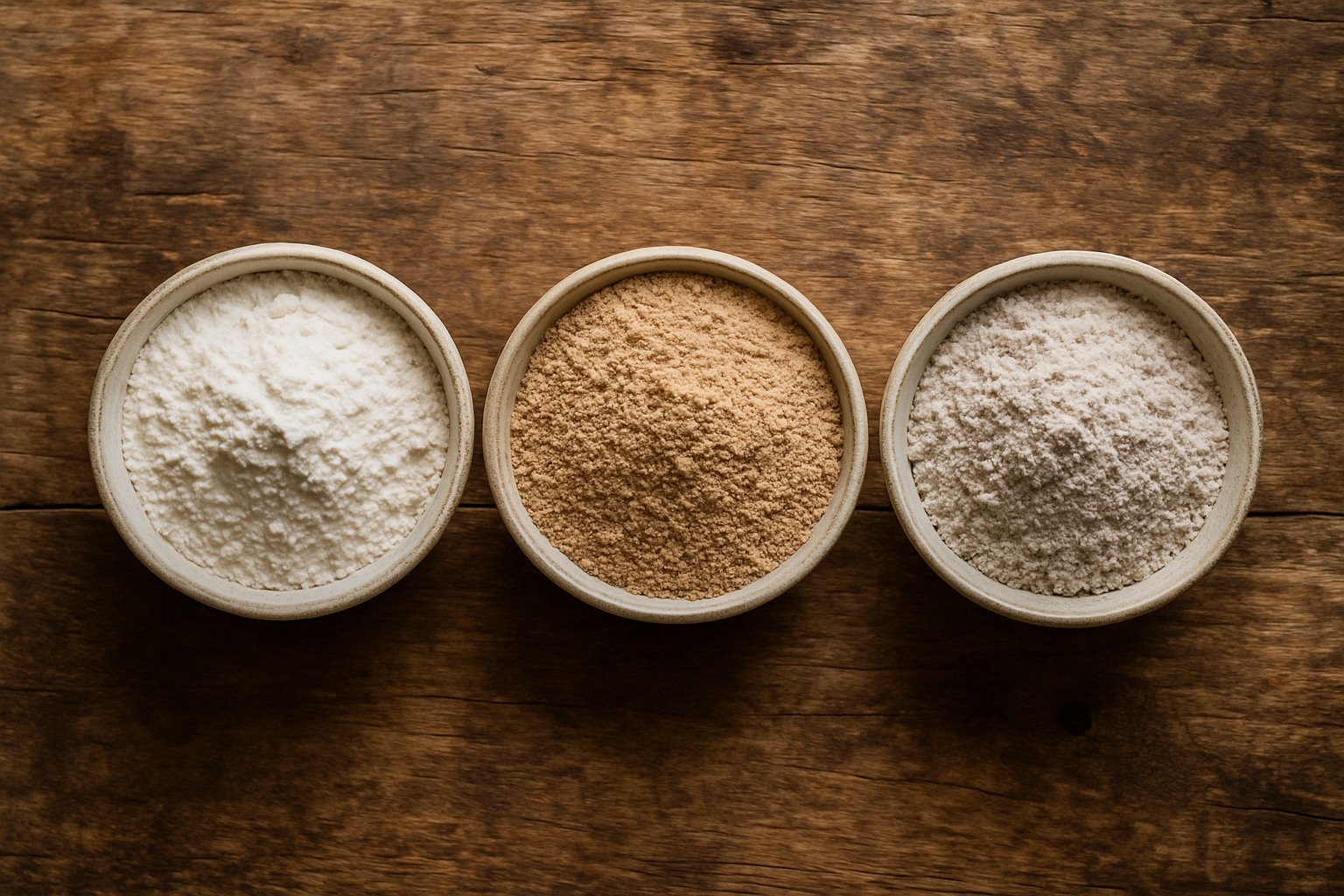
I still remember the loaf that made me obsessed with flour. It was a Tuesday evening, I had my starter bubbling beautifully on the counter, and I grabbed whatever flour was closest in the pantry — a half-empty bag of all-purpose I usually reserved for pancakes. The dough felt slack and strange. The final loaf baked up flat, dense, and just a little sad. That frustrating bake sent me down a months-long rabbit hole of testing, researching, and honestly, eating a lot of imperfect bread — all in search of the best flour for sourdough bread. What I discovered changed everything about how I bake, and today I want to share every bit of it with you.
This post contains affiliate links. As an Amazon Associate, I earn from qualifying purchases. This means if you click a link and make a purchase, I may earn a small commission at no extra cost to you. I only recommend products I personally use and genuinely love.
Why Flour Choice Matters More Than You Think
Here’s the thing nobody told me when I started baking sourdough: flour isn’t just an ingredient. It’s the foundation. Everything — your oven spring, your crumb structure, your crust, even how your starter behaves — is deeply connected to the flour you choose. The key factor at play is protein content. Protein is what forms gluten when water is added and the dough is worked, and gluten is what gives your sourdough its strength, elasticity, and ability to trap the gas produced by fermentation. More gluten structure means a better rise and a more open, airy crumb. Less gluten means a denser, flatter loaf. So before we talk about which flour wins, let’s walk through what each type actually brings to the table.
Bread Flour vs. All-Purpose vs. Whole Wheat: A Side-by-Side Breakdown
Bread Flour: The High Achiever
Bread flour is my go-to, and honestly, if you’re serious about sourdough, it should be yours too. With a protein content typically sitting between 12% and 13.5%, it builds a strong, extensible gluten network that handles long fermentation beautifully. That’s critical with sourdough, because our slow, cold-proof process demands a dough that can stretch and hold gas over many hours without tearing apart. The result? Better oven spring, a more open crumb, and that gorgeous ear on top of your scored loaf. Bread flour also absorbs water more efficiently, which means you can push hydration higher if you want that dramatic, open crumb that’s practically become the sourdough internet’s love language.
All-Purpose Flour: The Reliable Everyday Option
All-purpose flour usually lands between 10% and 12% protein depending on the brand. It’s not a bad choice for sourdough — plenty of incredible bakers use it exclusively — but you do need to know its limitations. Lower protein means less gluten development, so your dough will be a bit more delicate and forgiving of errors, but it also won’t hold structure as aggressively. For beginners, this can actually be a feature — the dough is more manageable and easier to shape. But if you’re chasing that dramatic oven spring or a wildly open crumb, all-purpose will hold you back compared to a strong bread flour. I sometimes use a blend of bread flour and all-purpose when I want a slightly softer crumb texture with still-good structure.
Whole Wheat Flour: The Flavor Powerhouse
Whole wheat flour is where things get really interesting — and a little complicated. Because it contains the bran and germ of the wheat kernel, it’s packed with nutrients and delivers an earthy, nutty depth of flavor that white flours simply can’t match. The catch? Those bran particles act like little knives, cutting through gluten strands as the dough ferments. This weakens your structure and can lead to a denser loaf if you go too heavy on whole wheat. It also absorbs water differently and speeds up fermentation significantly. My honest advice: don’t bake a 100% whole wheat sourdough right out of the gate. Start by substituting 10–20% of your bread flour with whole wheat, then gradually increase as you learn how it changes your dough. The flavor payoff is absolutely worth the learning curve.
What I Use: My Honest Flour Recommendations
After years of testing, I’ve settled on a small rotation of flours that I trust completely. Here’s exactly what I keep in my pantry and why.
For my everyday sourdough loaves, I reach for King Arthur 100% Organic Bread Flour (5 lb). It’s Non-GMO Project Verified, free of preservatives, and the consistency batch to batch is outstanding. I never worry about unpredictable results when this flour is in my bag. If you prefer a non-organic option at a slightly friendlier price point, the King Arthur Unbleached Bread Flour (5 lb) is equally reliable and has been a pantry staple of mine for years. Both are milled to a high protein standard and behave predictably in long, cold fermentation — exactly what you need for sourdough.
When I’m baking in bigger batches — weekend marathon bake days or prepping loaves to share with neighbors — I stock up on the King Arthur Unbleached Organic Bread Flour, Pack of 2 (5 lbs each). At 12.7% protein and certified Kosher, it’s a fantastic value when you’re going through flour quickly. I notice consistently lofty, open loaves with excellent ear formation every single time I use it.
For my whole wheat additions, I alternate between two favorites. Bob’s Red Mill Organic Whole Wheat Flour (5 lb) is stone-ground and genuinely fragrant — you can smell the difference when you open the bag. It adds beautiful flavor and nutrition to my sourdough blends. I also love the 365 by Whole Foods Market Organic 100% Whole Wheat Flour (80 oz) for its value and clean organic sourcing. Both are Non-GMO and work beautifully when subbed in at 15–25% of your total flour weight.
Finding the Best Flour for Sourdough Bread: My Practical Recommendation
So after all that — what’s the verdict? If I had to give you one simple, actionable answer, it’s this: start with a high-quality bread flour, and add a small percentage of whole wheat for flavor. A ratio of 80–90% bread flour to 10–20% whole wheat is my personal sweet spot. It gives you the structural strength to nail your rise and crumb, while the whole wheat delivers that to