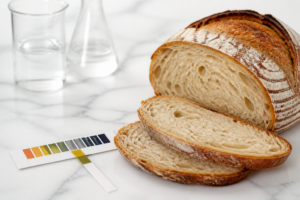
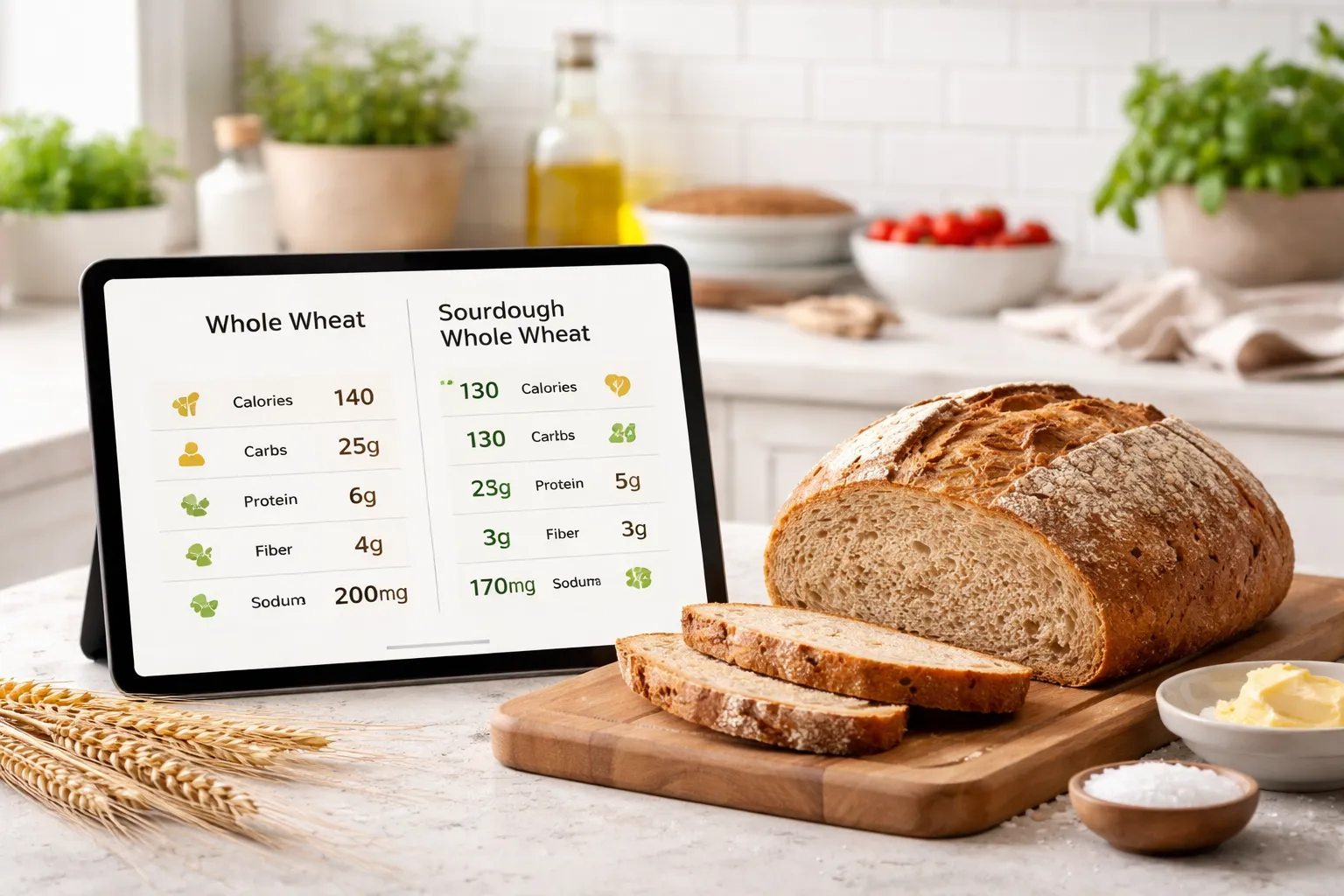
I was standing at my kitchen counter at 11 PM, flour on my nose, a half-eaten slice of my “nutritious” whole wheat sourdough in one hand and my phone in the other, absolutely convinced I had just read something that was going to ruin bread for me forever. The article was about phytic acid sourdough nutrition, and the headline alone had sent me into a spiral. Something along the lines of “whole grains might actually be blocking your nutrients.” I put the bread down. I stared at it. The bread stared back.
I had been baking sourdough for about eight months at that point. I had switched entirely to whole wheat loaves because I genuinely believed I was doing something incredible for my family’s health. I was smug about it, honestly. The kind of smug where you casually mention “oh, we only eat whole grain sourdough now” at a dinner party. And now some scientist on the internet was apparently telling me that whole grains were full of something called phytic acid and that it was robbing us of iron, zinc, and magnesium. I may have whispered a small apology to my sourdough loaf before going down the research rabbit hole that changed everything.
What Is Phytic Acid and Why Should Sourdough Bakers Care?
Here is the part where the story gets genuinely interesting, because it turns out I had the whole picture wrong. Phytic acid (also called phytate) is a natural compound found in the bran of grains, seeds, legumes, and nuts. It is essentially how plants store phosphorus, and it is not inherently evil. The issue is that phytic acid binds to minerals like zinc, iron, calcium, and magnesium in your digestive tract and can prevent your body from absorbing them fully. Nutritionists call these “antinutrients,” which is a pretty dramatic name for something your ancient ancestors figured out how to deal with thousands of years ago.
Here is the twist I did not see coming that night: sourdough fermentation is one of the most effective natural ways to break down phytic acid. The lactic acid bacteria in your starter produce an enzyme called phytase, and over the course of a long, slow fermentation, that enzyme gets to work dismantling phytic acid molecules before you ever take a bite. Studies have shown that long-fermented sourdough can reduce phytic acid content by anywhere from 50% to over 90%, depending on fermentation time, temperature, and flour type. My smug whole wheat sourdough habit was actually justified. I just did not know why.
Phytic Acid Sourdough Nutrition: How Fermentation Time Actually Matters
This is where the practical stuff comes in, because not all sourdough is created equal when it comes to phytic acid reduction. A quick two-hour rise with commercial yeast does almost nothing. Even a same-day sourdough with a relatively short bulk fermentation leaves a lot of phytic acid intact. The magic really starts to happen with longer fermentation, and there are a few levers you can pull to make your bread as nutritious as possible.
Fermentation Length
A bulk fermentation of at least four to six hours at room temperature gives your starter’s phytase enzymes meaningful time to work. An overnight cold retard in the refrigerator after shaping extends this window beautifully and also happens to improve flavor significantly. Honestly, the habits that make sourdough taste better tend to also make it more nutritious, which feels like the universe being unusually generous.
Flour Choice
Whole grain flours contain more phytic acid than white flour because phytic acid lives in the bran. But they also contain more nutrients worth unlocking, so they are absolutely worth using. A good strategy is to use a blend of whole wheat and bread flour, which gives you nutritional benefits without as much phytic acid load to work through. And here is a genuinely brilliant option: sprouted whole wheat flour. Sprouting grain before milling it jump-starts the phytase enzyme activity before fermentation even begins, meaning you are already ahead of the game.
Starter Health
A well-fed, active starter produces more lactic acid bacteria and more phytase enzyme activity. If your starter is sluggish or you are using a very small percentage of it in your dough, phytic acid breakdown will be less thorough. Keep your starter happy, feed it regularly, and use it at peak activity for the best results both in rise and in nutrition.
Why Sprouted Flour Actually Reduces Phytic Acid Before You Even Start Fermenting
If you’re worried about phytic acid blocking nutrient absorption, you don’t have to rely entirely on fermentation time to do the work. Sprouted whole wheat flour has already begun breaking down those antinutrients during the sprouting process, so your dough starts with a head start—and your long fermentation just pushes it further.
What works
- The flour ferments noticeably faster than conventional whole wheat—I’ve watched my bulk rise accelerate by 30 to 45 minutes, which means the phytic acid breakdown happens on a tighter timeline.
- The loaves have a slightly sweeter, nuttier flavor than I get with regular whole wheat, and the crumb feels less dense even without changing my hydration or technique.
- It performs reliably in high-percentage whole grain blends (40–60% of the total flour) without the gluey, dense crumb that usually comes with that much whole wheat.
What doesn’t
- It costs roughly twice as much as conventional whole wheat flour, which adds up fast if you’re baking multiple loaves a week.
- The shelf life is shorter—I’ve noticed the flour can go slightly rancid after 3–4 months in my pantry, so buying in bulk and storing it long-term doesn’t work the way it does with regular whole wheat.
I was skeptical the first time I used it, half-convinced the faster fermentation was just my imagination and I’d end up with an over-proofed, gummy disaster—but the crust baked up golden and crisp, and the crumb stayed open and bouncy. If you’re serious about the nutrition angle and tired of guessing whether your fermentation time is actually long enough, One Degree Organic Foods Sprouted Whole Wheat Flour (32 oz) is worth a test batch.
This post contains affiliate links. As an Amazon Associate, I earn from qualifying purchases at no extra cost to you.