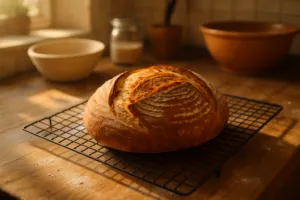
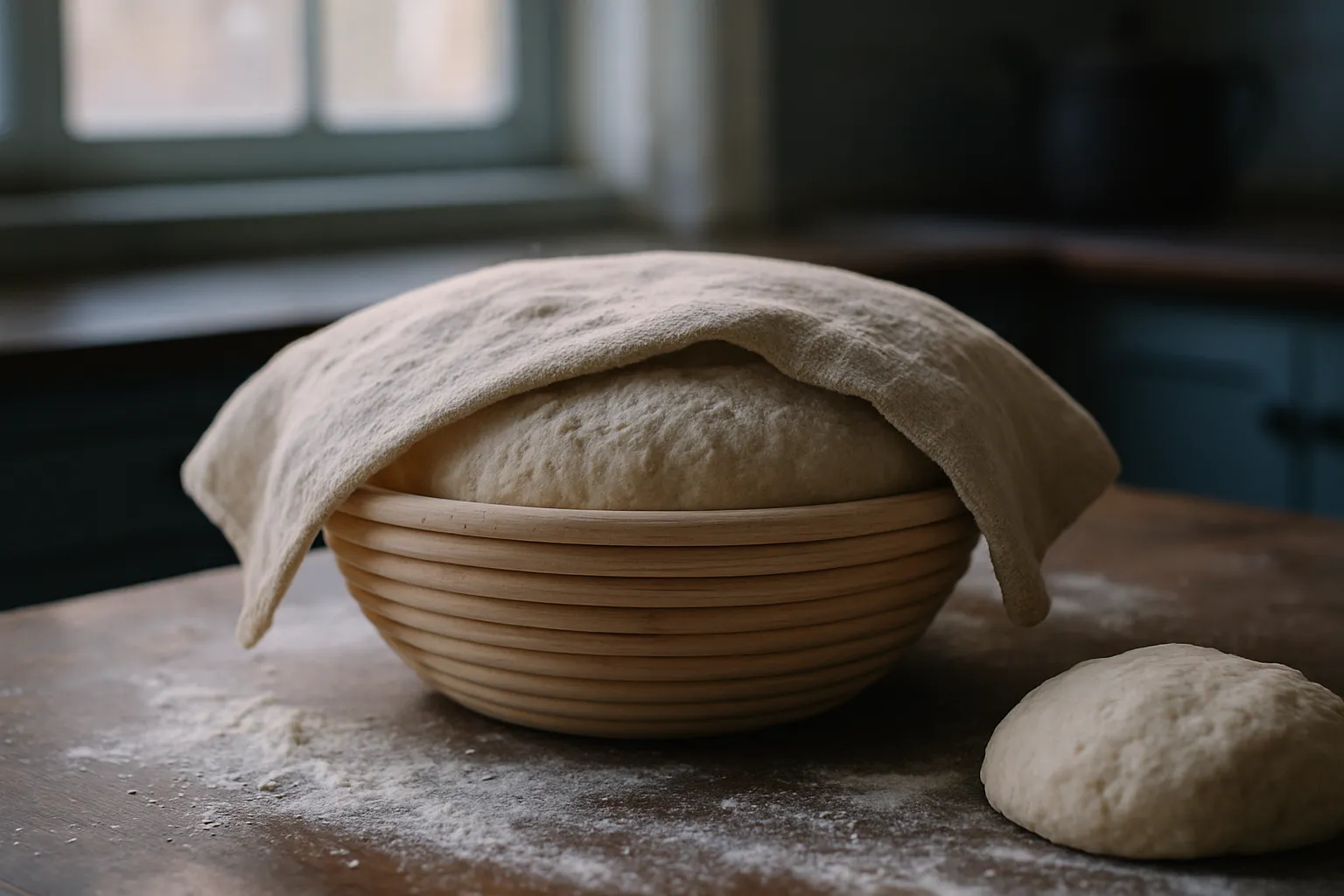
I still remember the afternoon a close friend stood in my kitchen, eyeing the golden sourdough loaf I’d just pulled from the Dutch oven, and said quietly, “I wish I could eat that. Bread just destroys me.” She didn’t have celiac disease — her doctor had chalked it up to gluten sensitivity — but she’d given up bread entirely. That conversation sent me down a research rabbit hole that completely changed how I think about sourdough gluten sensitivity fermentation and what’s actually happening inside that humble, bubbling crock of starter on my counter. What I learned surprised me, encouraged me, and honestly made me love sourdough baking even more than I already did.
What Actually Happens to Gluten During Long Sourdough Fermentation
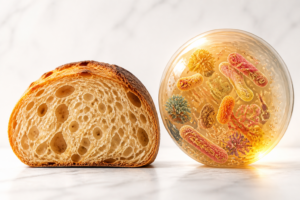
Here’s the thing that blew my mind when I first started digging into the science: sourdough isn’t just bread with a tangy flavor. It’s a living fermentation process driven by wild yeast and lactic acid bacteria (LAB), and those microbes do remarkable things to the flour — including to the gluten proteins themselves.
Gluten is made up of two primary proteins: gliadin and glutenin. In conventional bread, these proteins remain largely intact because commercial yeast works fast — the dough rises in an hour or two and goes straight into the oven. There’s simply no time for any meaningful protein breakdown. But in a properly managed sourdough, especially one with a long, cold ferment, those lactic acid bacteria produce proteolytic enzymes that begin breaking down gluten proteins over time. The longer and slower the fermentation, the more pre-digestion occurs before you ever take a single bite.
Several studies, including research published in food science journals, have shown that extended sourdough fermentation can significantly reduce the levels of immunoreactive gluten peptides — the fragments that tend to trigger discomfort in sensitive individuals. One particularly fascinating study found that sourdough bread fermented for over 24 hours contained dramatically lower levels of problematic gliadin epitopes compared to standard yeast bread. That’s not nothing. That’s genuinely meaningful for people who struggle with every other loaf they eat.
Sourdough Gluten Sensitivity Fermentation: What This Means for Your Baking Practice
Before I go further, I want to be crystal clear about something important: sourdough is not safe for people with celiac disease. Celiac is an autoimmune condition, and even trace amounts of gluten can cause serious intestinal damage. If you or someone you love has celiac, please work with a gastroenterologist and stick to certified gluten-free products. The conversation here is specifically about non-celiac gluten sensitivity — a condition that affects an estimated 6% of the population and causes real symptoms like bloating, brain fog, and fatigue, but doesn’t involve the same immune response as celiac disease.
For those with gluten sensitivity, the practical takeaway from the science is this: fermentation time matters enormously. Here’s what I’ve personally found works best in my own kitchen:
- Use a mature, active starter. A well-established starter is teeming with the lactic acid bacteria responsible for protein breakdown. A young or weak starter just won’t have the same enzymatic power.
- Bulk ferment at room temperature for 4–6 hours, then transfer to the refrigerator for a cold retard of at least 12–16 hours — I often go a full 24 hours or even 36 hours for loaves I’m making for sensitive friends.
- Lower hydration slightly for longer ferments to prevent over-proofing, especially in warmer kitchens. Aim for around 72–75% hydration if you’re stretching fermentation past 24 hours total.
- Choose flour wisely. Ancient grains like einkorn or spelt have different gluten structures and are often better tolerated even before fermentation. They also ferment beautifully.
- Bake fully. Don’t pull your loaf early. A properly baked sourdough has had every advantage of heat to complete the process that fermentation started.
I started building these habits slowly, experimenting loaf by loaf. My friend now eats a small slice of my 36-hour cold-retard sourdough without the digestive distress she used to experience with store-bought bread. That alone keeps me baking.
What About Going Fully Gluten-Free?
Some people find that even long-fermented sourdough isn’t enough, and they need to eliminate wheat gluten entirely. I completely respect that, and I’ve been on a journey to understand gluten-free sourdough baking too — because the sourdough fermentation process brings incredible flavor and nutrition to gluten-free breads as well.
When Long Fermentation Isn’t Enough: A Safety Net for Gluten-Sensitive Guests
I’ve spent years believing that a slow, cold fermentation breaks down enough gluten to make my bread easier on sensitive stomachs—and it does help. But the honest truth is that sourdough, even beautifully fermented sourdough, still contains gluten, and for people with real sensitivities, that matters. If you’re baking for someone who struggles with bread but wants to try yours anyway, having an enzyme support on hand feels like the right move.
What works
- Vegan, pine-based formula that feels genuinely clean—no mysterious fillers that make you second-guess whether you’re actually helping or just selling hope.
- The capsule format means your guest can take it discreetly before eating, without needing to explain their digestive situation to the whole table.
- Non-GMO and straightforward ingredients—if you’re already fussy enough to ferment sourdough for 18 hours, you’ll appreciate that this doesn’t feel like a chemical compromise.
What doesn’t
- It’s not a cure or a guarantee—this is damage control, not permission to serve regular bread to someone with celiac disease. For mild sensitivity or bloating, yes; for true celiac, no.
- Results feel individual and unpredictable; what works for one person’s system might do nothing for another, which can feel frustrating when you’re trying to be a good host.
I was skeptical the first time I handed a bottle to a friend—worried it would do nothing and she’d feel worse after eating my bread—but she reported back that it genuinely helped. If you’re baking for someone with gluten sensitivity and want to give them an actual fighting chance, try MaryRuth’s Gluten Digestive Enzymes.
This post contains affiliate links. As an Amazon Associate, I earn from qualifying purchases at no extra cost to you.