I still remember the afternoon I finally admitted the truth to myself — standing over the sink, bloated and uncomfortable after eating what I thought was a healthy homemade loaf. I had used good flour, filtered water, even a pinch of love. But it was a standard yeast bread, and my stomach was not having it. A friend suggested I try sourdough instead, and honestly, I almost laughed. Bread is bread, right? Wrong. Dead wrong. That conversation started a years-long obsession with fermentation science, and today I can tell you with full confidence that sourdough is easier to digest than regular bread — and the science behind it is absolutely fascinating.
Why Sourdough Is Easier to Digest Than Regular Bread
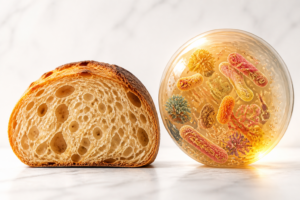
The secret lives inside the long, slow fermentation process that makes sourdough what it is. When you mix flour and water with a live starter culture, you are inviting billions of wild yeast and lactic acid bacteria into your dough. Over the next several hours — sometimes even overnight — those microorganisms get to work breaking down some of the most problematic compounds in wheat flour before you ever take a single bite.
Let me walk you through the three biggest reasons this matters for your digestive system.
Phytic Acid Is Dramatically Reduced
Wheat contains phytic acid, sometimes called an “antinutrient,” which binds to minerals like iron, zinc, and magnesium and makes them harder for your body to absorb. It can also irritate the gut lining in sensitive individuals. During sourdough fermentation, the acidic environment activates an enzyme called phytase, which breaks down a significant portion of that phytic acid. Studies suggest that long-fermented sourdough can reduce phytic acid by up to 90% compared to quick-rise commercial yeast bread. Your gut gets the nutrition without the irritation. That feels like a win worth talking about.
Gluten Is Partially Pre-Digested
This one surprises people the most. The lactic acid bacteria in sourdough produce enzymes that begin breaking down gluten proteins during fermentation. This does not make sourdough safe for people with celiac disease — I want to be crystal clear about that — but for those who experience general gluten sensitivity or discomfort, the partially pre-digested gluten in a long-fermented sourdough loaf can be significantly gentler on the digestive system. Your body has a head start before the bread even hits your stomach.
The Lower Glycemic Response
Fermentation changes the structure of the starches in sourdough bread, making them digest more slowly in your body. This results in a lower glycemic index compared to conventional bread, which means more stable blood sugar levels and a more sustained feeling of fullness. If you have ever eaten two slices of white sandwich bread and felt hungry an hour later, you know what a high glycemic response feels like. Sourdough plays a completely different game.
When Your Starter Won’t Wake Up: Why I Switched to a Proven Culture
If you’ve killed a starter (or three), you know the panic of wondering whether you’re feeding it wrong, fermenting it at the wrong temperature, or just cursed. A reliable starter culture removes that guesswork and gives you a strong, predictable fermentation from day one—which means faster digestion benefits and better gluten breakdown.
What works
- Activates noticeably within 24 hours—no three-week wait wondering if anything’s actually happening in the jar.
- Maintains consistent rise and oven spring even when I’ve been lazy with feeding schedules, which means more predictable fermentation and better enzymatic breakdown.
- The San Francisco profile produces that characteristic tang and complex flavor profile without needing to hunt down wild yeast or rely on perfect conditions.
What doesn’t
- It costs more upfront than catching wild yeast—about $15–20 versus free, though one packet lasts indefinitely if maintained.
- You lose the romantic story of “my great-grandmother’s starter.” It’s reliable and practical, not heirloom, which bothered me more than I expected.
I was skeptical after spending months tending to a sluggish homemade culture, convinced a packaged culture would taste thin and forgettable, but the first loaf proved me wrong. If you’re tired of failed starters derailing your digestible-bread goals, grab a Cultures for Health San Francisco Sourdough Style Starter Culture.
This post contains affiliate links. As an Amazon Associate, I earn from qualifying purchases at no extra cost to you.