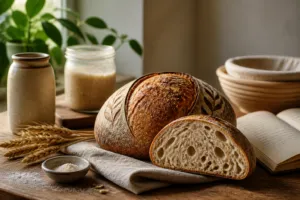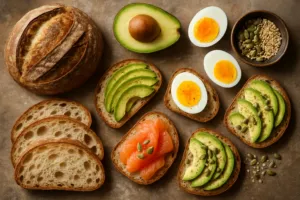
That well-loved jar on the counter, a testament to ancestral wisdom, suddenly held profound significance. Indeed, my grandmother inherently understood something science now validates: fermentation transforms simple flour and water. Faced with my own digestive woes, her quiet ritual became a beacon. I realized her daily feeding wasn’t just tradition; it was a powerful health practice. Consequently, my curiosity about sourdough’s gut benefits blossomed.
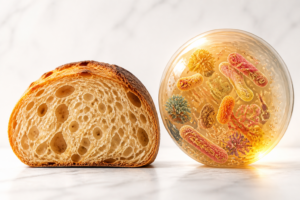
Sourdough’s magic lies in its lengthy fermentation process. Wild yeasts and Lactobacillus bacteria predigest the grain. This breaks down complex carbohydrates and proteins. Specifically, this action can significantly alter wheat’s composition. It makes nutrients more bioavailable. Moreover, it creates beneficial compounds. Therefore, the resulting bread is often much easier to digest.
For many experiencing stomach issues, sourdough offers a gentler option. The extended fermentation reduces levels of fructans, a type of FODMAP. These often trigger bloating and discomfort in sensitive individuals. Furthermore, the lactic acid bacteria partially break down gluten proteins. While not gluten-free, this can make sourdough bread more tolerable. As a result, it often minimizes common digestive upsets.
Beyond easier digestion, sourdough enhances nutrient absorption. The fermentation neutralizes phytic acid, an antinutrient present in grains. This allows better uptake of vital minerals like iron and zinc. Additionally, the process fosters a richer flavor profile. I remember my grandmother saying, “Good food takes time.” Now, I truly understand her simple, profound truth. It transforms food, and perhaps, our well-being.
The Gut Problem Nobody Talks About Honestly
When Your Gut Hurts, Look to the Dough
Digestive discomfort affects more people than most realize. Source Bloating, cramping, and that heavy post-meal sluggishness are increasingly common complaints. Furthermore, many sufferers spend years chasing solutions that never quite work.
The typical journey looks familiar:
- Cutting gluten entirely
- Trying expensive probiotic supplements
- Following elimination diets for months
- Spending heavily on digestive enzymes
Yet Is Sourdough Bread Good for You? | BBC Good Food relief remains frustratingly out of reach for millions.
—
Why Traditional Fermentation Changes Everything
Real sourdough isn’t simply bread with a tangy flavor. It’s a living, fermented food transformed by wild bacteria and natural yeasts. This slow fermentation process — often 12 to 24 hours — fundamentally changes the bread’s chemistry.
Consequently, your gut receives something genuinely different from commercial bread.
—
The Science Behind Sourdough and Digestion
During fermentation, lactic acid bacteria break down complex compounds that typically cause digestive trouble. Specifically, they target:
- Phytic acid — Sourdough Bread: Is It Good for You? an antinutrient blocking mineral absorption – FODMAPs — fermentable carbohydrates linked to bloating and IBS symptoms – Gluten proteins — partially pre-digested, making them easier to process
Studies suggest long-fermented sourdough significantly reduces FODMAP content. Therefore, many people with sensitive digestion tolerate it surprisingly well.
My neighbor, a longtime IBS sufferer, swore off bread for years — until her daughter brought home a homemade sourdough loaf, and everything changed.
—
A Gentler Option Worth Considering
Additionally, sourdough’s lower glycemic index means steadier blood sugar responses after eating. This matters because blood sugar spikes often worsen digestive inflammation indirectly.
The bottom line: Traditional sourdough works differently than modern bread — and your gut may finally notice the difference.
Sourdough Bread: Nutrients, Benefits, and Recipe

What Makes Sourdough Different From Regular Bread
Not all bread is equal. Standard commercial bread uses fast-acting yeast, which skips the long fermentation process entirely. The Health Benefits of Sourdough Bread, in contrast, relies on wild yeast and lactic acid bacteria working together over many hours — sometimes days. This slow fermentation fundamentally changes the bread’s chemical makeup.
During fermentation, bacteria break down complex carbohydrates and proteins. Source Additionally, they significantly reduce the bread’s gluten content through enzymatic activity. This process also lowers the bread’s glycemic index, meaning your blood sugar rises more gradually after eating it.
Furthermore, fermentation produces organic acids — primarily lactic and acetic acid. These acids create sourdough’s signature tangy flavor. More importantly, they also act as natural preservatives and support a healthier digestive environment.
The Symbiotic Magic of Fermentation
Lactic Acid Bacteria and Your Gut
How Sourdough Fermentation Eases Digestive Distress
The Lactobacillus bacteria in sourdough starter are surprisingly powerful digestive allies. During fermentation, they produce lactic and acetic acids. These acids create an environment where tough compounds break down before you ever take a bite.
Phytic acid is one key example. Found naturally in wheat, rye, and other grains, it binds tightly to minerals like iron, zinc, and magnesium. Consequently, your body absorbs far less of these nutrients from unfermented bread. Sourdough fermentation can reduce phytic acid by up to 90%, according to some studies.
Furthermore, these bacteria partially break down FODMAPs — fermentable carbohydrates notorious for causing bloating and gas. Many people with irritable bowel syndrome report tolerating sourdough far better than commercial bread. My neighbor, who struggled with bloating for years, switched to homemade sourdough and called it “life-changing” within weeks.
Additional Compounds Transformed by Fermentation
- Gluten proteins are partially pre-digested, reducing digestive strain
- Fructans (another bloating trigger) decrease significantly during long fermentation
- Enzyme inhibitors that slow digestion are neutralized
Therefore, longer fermentation times generally produce greater digestive benefits. A slow, cold overnight ferment outperforms a quick two-hour rise every time.
As a result, your body absorbs significantly more magnesium, zinc, and iron from Is Sourdough Bread Good for You? than from standard bread. This mineral availability matters enormously for overall health, energy levels, and immune function.
Prebiotics, Probiotics, and the Microbiome Connection
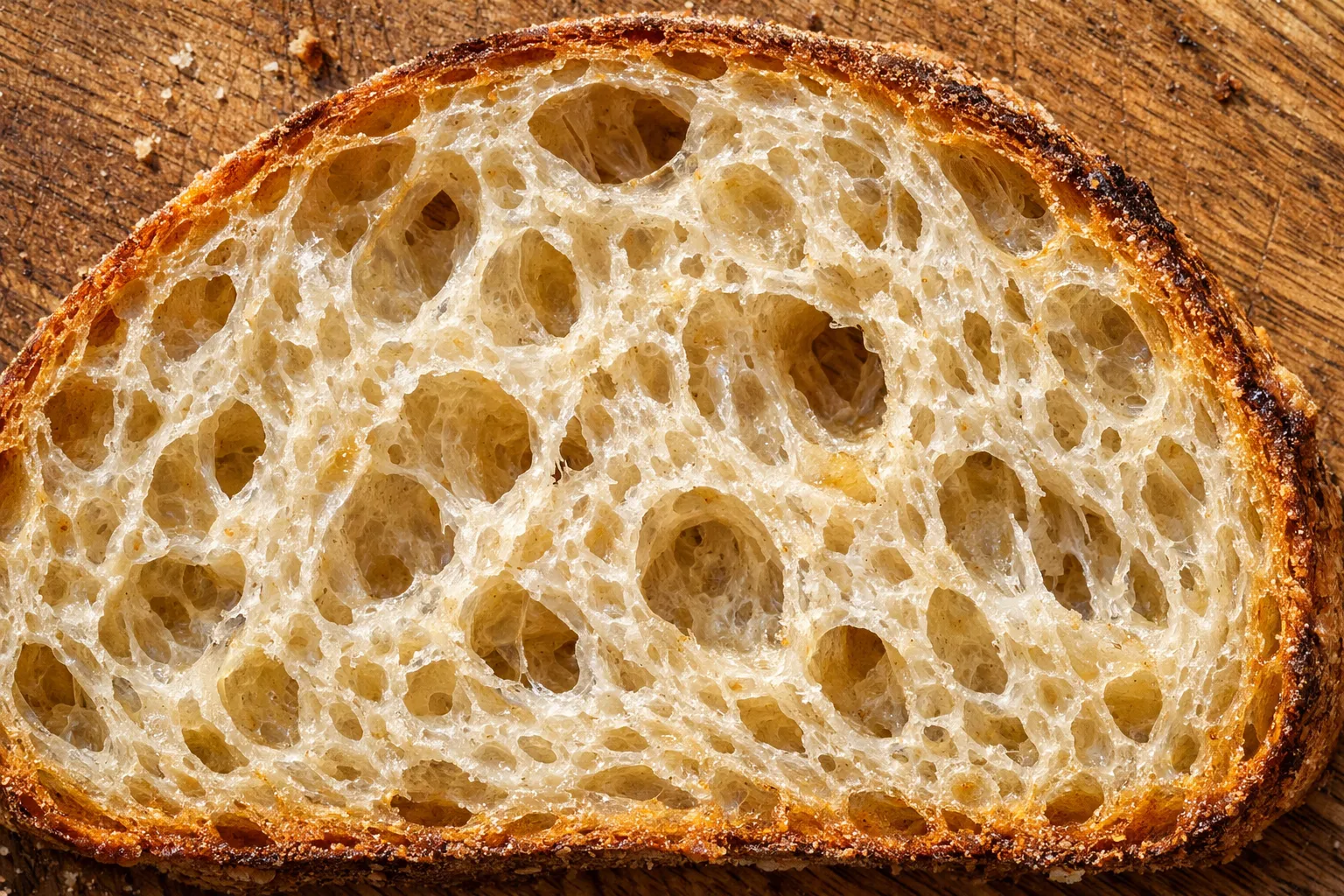
Here’s where sourdough becomes genuinely exciting for gut health. Source The fermentation process creates prebiotic compounds — essentially food for the beneficial bacteria already living in your gut. Your gut microbiome influences far more than digestion alone.
Additionally, some of the beneficial bacteria from sourdough starter survive into the finished loaf. While baking kills most live cultures, the metabolic byproducts they leave behind still support gut health. Think of it as the bacteria doing the work before you even take a bite.
Meanwhile, the short-chain fatty acids produced during fermentation feed the cells lining your intestinal wall. This feeding strengthens your gut barrier — the critical defense system that prevents unwanted particles from entering your bloodstream. A stronger gut barrier means less inflammation throughout your entire body.
Why Sourdough May Help With Bloating and Discomfort
Many people report that switching to authentic sourdough reduces their bloating dramatically. Source This isn’t just anecdotal. The fermentation process breaks down FODMAPs — fermentable carbohydrates that commonly trigger bloating, gas, and discomfort in sensitive individuals.
Therefore, people who struggle with IBS or general digestive sensitivity often tolerate sourdough far better than other bread varieties. The key word here is “properly fermented” — a genuine, long-fermented sourdough made with a live starter, not a commercial loaf with “sourdough flavoring” added.
In contrast, mass-produced bread labeled as sourdough often skips true fermentation entirely. Always check ingredients. real sourdough contains just flour, water, salt, and starter — nothing else.
Sourdough Bread: Ancient Food, Modern Benefits – Monash FODMAP

The Mental Health Connection
Your Gut Talks to Your Brain
The gut-brain axis is one of modern medicine’s most compelling discoveries. Source Your gut and brain communicate constantly through the vagus nerve and a complex network of neurotransmitters. This means gut health directly influences emotional well-being.
Sourdough and Your Gut-Brain Connection
The The Gut-Brain Connection: How Your Digestive Health Affects Your Mind is a powerful communication highway. It links your digestive system directly to your mental state. A diverse, thriving microbiome signals your brain constantly. This signaling influences mood, focus, and emotional resilience every single day.
Why microbial diversity matters: The Gut-Brain Connection – Harvard Health – More bacterial strains mean broader neurotransmitter support – Diverse microbiomes reduce inflammatory cytokines linked to depression – Balanced gut flora helps regulate cortisol, your primary stress hormone
Serotonin Starts in Your Stomach
Surprisingly, roughly 90% of serotonin is produced in the gut. Therefore, what you eat directly shapes how happy you feel. Sourdough’s fermentation process creates short-chain fatty acids. These compounds nourish gut lining cells and support serotonin synthesis naturally.
Furthermore, reduced systemic inflammation matters enormously here. chronic inflammation is strongly linked to anxiety disorders and depression. Consequently, anti-inflammatory foods like sourdough offer real emotional benefits beyond simple nutrition.
Prebiotics Feed Your Mood
Well-fermented sourdough contains resistant starches and fermentation byproducts. These act as prebiotics, selectively feeding beneficial bacterial strains. Specifically, Lactobacillus and Bifidobacterium species thrive on these compounds. Both strains are consistently linked to reduced anxiety in clinical research.
My grandmother always said her morning sourdough toast “settled her nerves” — turns out, she wasn’t entirely wrong.
The Energy Connection
Additionally, stable blood sugar from sourdough’s low glycemic response matters. Blood sugar crashes trigger fatigue, irritability, and brain fog. Therefore, sourdough supports steadier energy throughout your afternoon hours.
Practical takeaway: Choose sourdough with:
- Long fermentation times (18–24 hours minimum)
- Simple ingredients: flour, water, salt
- A tangy, complex aroma indicating active fermentation
Ultimately, eating well-fermented sourdough is a genuinely holistic act. You’re nourishing your body, brain, and emotional wellbeing simultaneously.
How to Choose (or Make) Gut-Friendly Sourdough
What to Look For at the Bakery
Not every loaf labeled “sourdough” delivers these benefits. Seek out bakeries that use long fermentation — at minimum 12 hours, ideally 24 or more. Ask the baker directly about their process. Additionally, whole grain sourdough offers even more prebiotic fiber than white sourdough, amplifying the gut benefits further.
Avoid loaves with added vinegar, yeast, or dough conditioners. These shortcuts produce the sour taste without the fermentation that makes sourdough genuinely beneficial. The ingredient list should be short — almost suspiciously short.
Making Your Own Starter
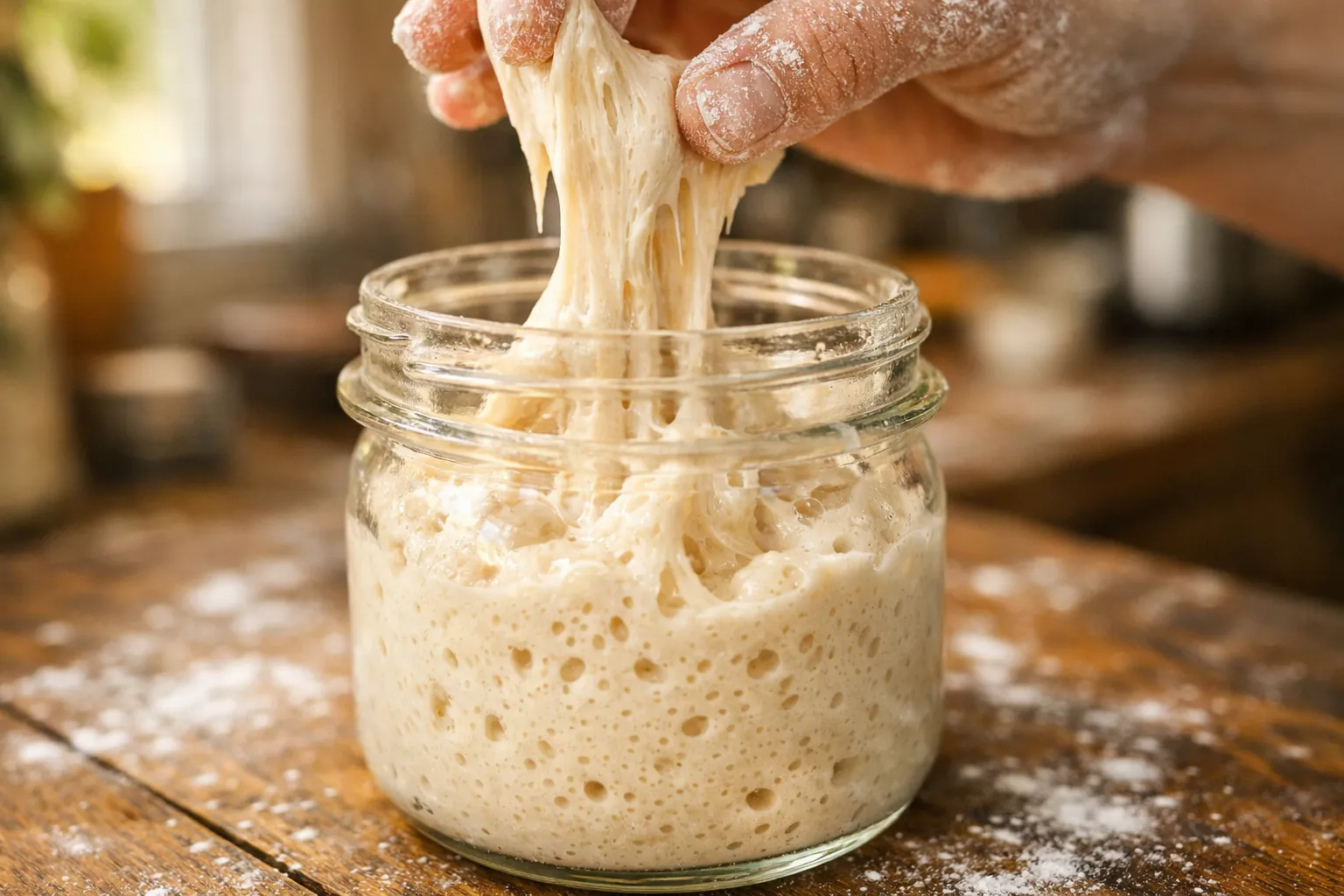
Starting your own sourdough culture is simpler than most people expect. Source Mix equal parts flour and water in a jar. Leave it somewhere warm. Feed it daily by discarding half and adding fresh flour and water. Within five to seven days, wild yeast and bacteria from your environment colonize the mixture.
The resulting starter is uniquely yours — shaped by the specific microorganisms in your kitchen, your local flour, and even the air in your home. This uniqueness matters. Your starter’s microbial community adapts to your local environment, producing a bread that is, in a very real sense, made for you.
Making Sourdough a Daily Habit
Introducing sourdough gradually works better than overhauling your entire diet at once. Start by replacing one slice of regular bread per day. Notice how your body responds over two to three weeks. Many people report improved energy, reduced bloating, and more consistent digestion within the first month of regular consumption.
Additionally, pair sourdough with other gut-friendly foods — fermented vegetables, legumes, and diverse plant foods — to maximize microbiome benefits. Gut health thrives on variety. However, sourdough makes an excellent anchor food because it’s satisfying, versatile, and genuinely delicious.
The Bottom Line
My grandmother never read a study about lactic acid bacteria or the gut-brain axis. She simply knew that her bread made people feel good — and she was right. Real sourdough, made slowly with a living culture, offers something that processed food simply cannot replicate: a deeply fermented, biologically active food that works with your body rather than against it.
For anyone struggling with digestive discomfort, unexplained bloating, or even low mood, sourdough bread deserves serious consideration. It’s not a miracle cure. However, it is an ancient, well-fermented food that modern science is finally catching up to. Start with a good loaf. Pay attention to how you feel. Your gut, as it turns out, has been waiting for this conversation all along.
The Starter Jar That Actually Survived My Neglect
I’ve killed more sourdough starters than I’d like to admit—forgotten in the back of the fridge, left on the counter during a heat wave, abandoned during a busy week. A reliable starter vessel makes the difference between a thriving culture and another failed attempt at keeping one alive long enough to bake.
What works
- The wide mouth opening makes feeding and scraping down the sides actual friction-free work instead of wrestling with a narrow opening while flour escapes everywhere.
- It’s clear enough to visually track fermentation progress at a glance—you can spot when your starter is doubling, collapsing, or just sitting there being moody.
- The jar is sturdy enough to handle daily handling and temperature swings without cracking, which matters when you’re moving it between counter and fridge constantly.
What doesn’t
- It doesn’t come with measurements marked on the side, so you’re eyeballing ratios or marking it yourself with a permanent marker if you’re neurotic about consistency like I am.
- A jar is just a jar—it won’t save a starter you actually forget to feed for two weeks, though it does make the recovery process less depressing than fishing through a crusty ceramic crock.
I nearly ditched sourdough altogether after my third starter death, convinced I just didn’t have the discipline for it—until I switched to a simple, honest jar and realized the problem wasn’t me, it was visibility and access. Grab a sourdough starter jar and see the difference clarity makes.
This post contains affiliate links. As an Amazon Associate, I earn from qualifying purchases at no extra cost to you.