When Grandma’s Kitchen Wisdom Became Medical Advice
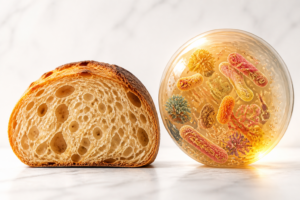
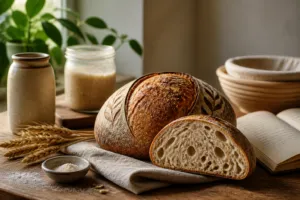
My grandmother’s bubbling jar always fascinated and repulsed me equally. Now, decades later, I understand she was cultivating something genuinely powerful. That cloudy starter contained wild yeast and beneficial bacteria — a living ecosystem with real digestive benefits.
Sourdough fermentation transforms ordinary flour in remarkable ways. The process breaks down gluten proteins significantly before you ever take a bite. For many people with gluten sensitivity, this matters enormously.
—
Why Sourdough Is Easier on Your Stomach
During fermentation, lactic acid bacteria produce enzymes that pre-digest difficult compounds. Specifically, they break down:
- Fructans — fermentable carbohydrates that trigger bloating
- Phytic acid — an anti-nutrient blocking mineral absorption
- Gluten peptides — proteins causing inflammation in sensitive individuals
Consequently, many people with IBS report significantly fewer symptoms after eating true sourdough.
—
The Science Behind the Sour
Fermentation lowers sourdough’s glycemic index considerably. Therefore, blood sugar spikes after eating become less dramatic. This benefits people managing diabetes or metabolic conditions.
Additionally, the organic acids produced — lactic and acetic acid — create a prebiotic environment. Your gut bacteria genuinely thrive on these compounds.
Research published in Food Microbiology confirmed that long-fermented sourdough reduced digestive discomfort markers noticeably. Furthermore, the fermentation process increases bioavailable B vitamins and minerals like magnesium and zinc.
—
Not All Sourdough Is Equal
However, commercial “sourdough” often uses shortcuts. Many store-bought loaves simply add vinegar for flavor. True sourdough requires 8–48 hours of fermentation minimum.
Look for these indicators of authentic sourdough:
- Ingredient list: flour, water, salt only
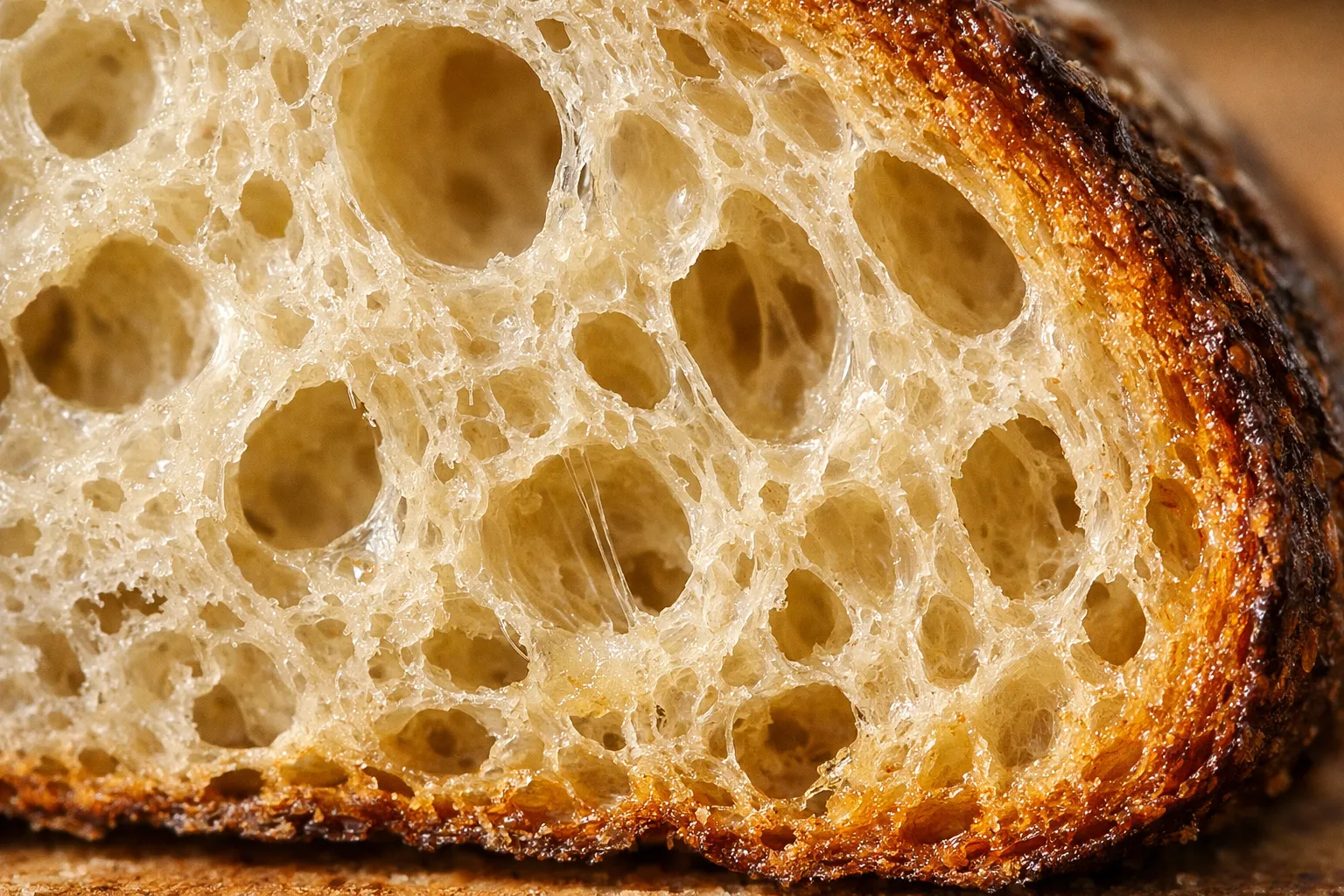
- Dense, irregular crumb structure
- Genuinely sour aroma and flavor
- Sourced from local bakeries using traditional methods
My gastroenterologist actually Source recommended real sourdough specifically — something that finally connected grandmother’s kitchen ritual to genuine healing wisdom.
The Bread That Started a Conversation
When the Doctor’s Pamphlet Changed Everything
My doctor handed me a gut health pamphlet, and I expected the usual warnings. Avoid gluten. Cut refined carbs. Skip processed foods. However, one exception near the bottom stopped me completely: traditionally fermented sourdough bread.
That detail felt almost rebellious against modern dietary advice.
—
Why Sourdough Is Different From Regular Bread
Most commercial breads cause digestive distress for good reason. They contain:
- Refined flours that spike blood sugar rapidly
- Added yeasts that ferment too quickly in the gut
- Preservatives that disrupt beneficial bacteria
Sourdough, however, works differently. The long fermentation process — sometimes 12 to 48 hours — changes the bread’s entire chemistry.
Beneficial bacteria called lactobacillus consume much of the gluten. Consequently, the final loaf becomes significantly easier to digest. Studies suggest sourdough has a lower glycemic index than standard white bread.
—
The Fermentation Factor
Furthermore, fermentation breaks down phytic acid, an antinutrient found in grain. Therefore, your body absorbs more iron, zinc, and magnesium from each slice.
The wild yeast also produces organic acids during fermentation. These acids slow digestion naturally, preventing uncomfortable blood sugar spikes. Additionally, they create a mildly acidic environment that supports healthy gut bacteria.
Think of Sourdough Bread: Nutrients, Benefits, and Recipe as pre-digested bread — the bacteria do the hard work first.
My neighbor Maria, who struggled with bloating for years, switched to homemade sourdough and noticed improvement within two weeks.
—
Starting Your Own Sourdough Journey
Driving home from that appointment, I thought about my grandmother’s bubbling starter jar on her windowsill. Sourdough Bread: Is It Good for You? She never called it “gut health.” She simply called it bread done properly.
That evening, I finally understood what she meant.
To begin simply, you need only:
- Flour
- Water
- Patience
Sourdough isn’t just trendy. It’s genuinely different from every other bread on the shelf. Additionally, the difference starts long before the loaf ever hits the oven.
What Actually Happens During Fermentation
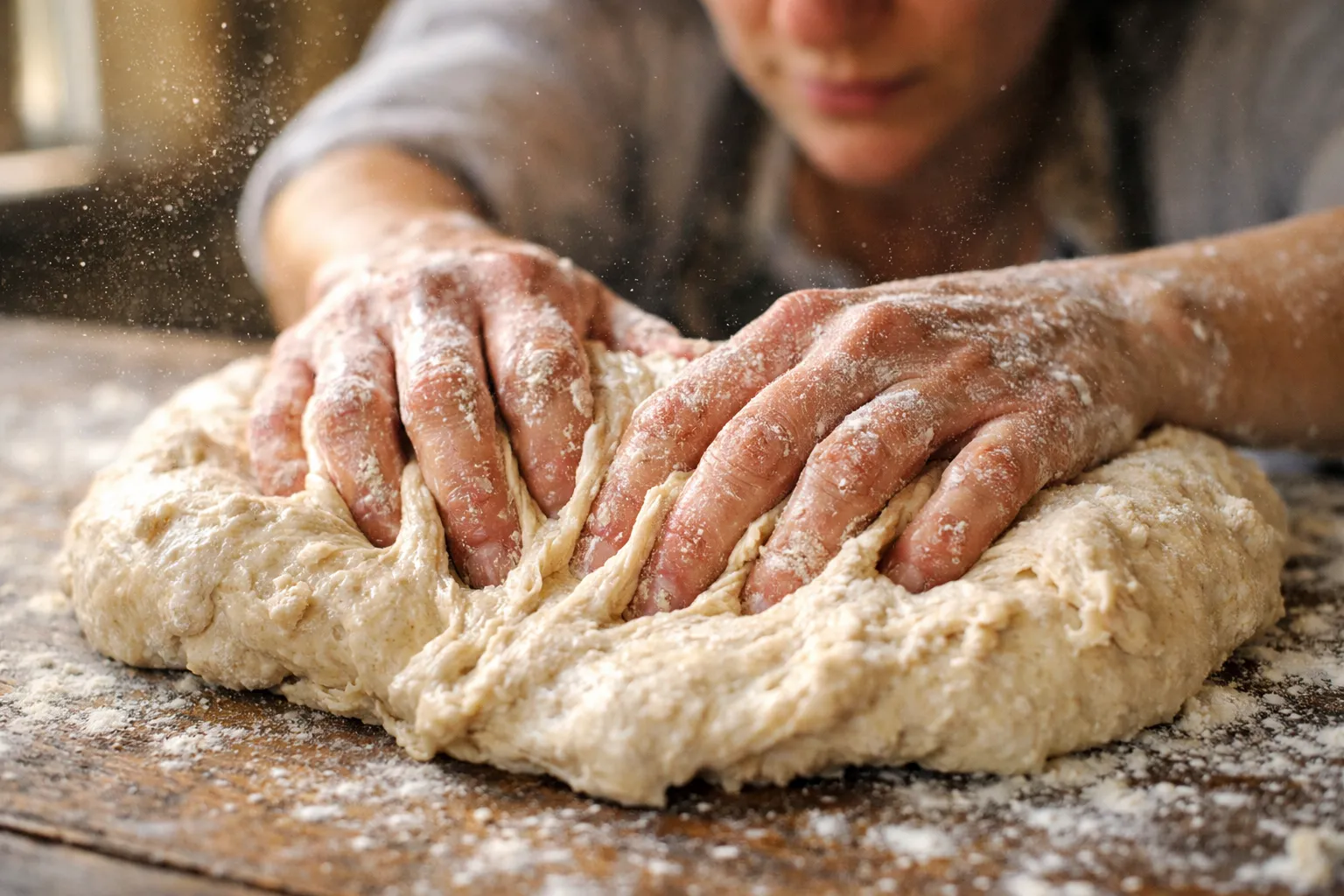
Most commercial breads rise quickly — sometimes in under two hours. The Health Benefits of Sourdough Bread Sourdough, in contrast, ferments slowly over many hours or even days. During that time, wild yeast and beneficial bacteria get to work breaking down the dough’s complex structure.
These microorganisms — primarily Lactobacillus species — consume the sugars and starches in the flour. Source As a result, they produce lactic acid and acetic acid, which give sourdough its signature tang. This acidic environment does something remarkable: it pre-digests the bread for you.
Breaking Down What Your Body Struggles With
Gluten is a protein that many people find difficult to digest. Source For those without celiac disease, gluten sensitivity still causes real discomfort — bloating, cramping, and fatigue. However, sourdough fermentation partially breaks down gluten proteins before you ever take a bite.
Here’s an expanded version, focusing on detail and depth:
Understanding Phytic Acid’s Challenge
Phytic acid, or inositol hexaphosphate, is a naturally occurring compound found predominantly in the outer layers of many grains, legumes, nuts, and seeds. Within plants, it primarily serves as a vital storage form for phosphorus. However, when consumed by humans, phytic acid can present a significant nutritional hurdle. It possesses a strong chelating affinity, meaning it readily binds to essential dietary minerals like zinc, magnesium, iron, and even calcium. Consequently, these vital micronutrients form insoluble complexes within the digestive tract, rendering them largely unavailable for absorption by the body. This significantly reduces their overall bioavailability from otherwise nutritious whole grain foods.
Sourdough’s Enzymatic Solution
Fortunately, traditional sourdough fermentation offers a powerful, natural solution to this challenge. The distinctive magic lies in the diverse microbial community thriving within an active sourdough starter, particularly the lactic acid bacteria and wild yeasts. These beneficial microorganisms naturally produce an enzyme called phytase. During the prolonged, slow fermentation process, phytase actively breaks down the phytic acid molecules. This enzymatic action effectively liberates the bound minerals. As a result, once-sequestered zinc, magnesium, and iron become freely available for absorption in the gut. This dramatically enhances the nutritional value of sourdough bread compared to quick-rise alternatives lacking sufficient phytase activity.
Realizing Enhanced Mineral Absorption
Therefore, incorporating sourdough bread into your diet offers more than just a delightful taste and unique texture; it provides a tangible nutritional advantage. Enhanced mineral absorption supports numerous crucial bodily functions, from robust immune system performance to optimal energy levels and strong bone health. Furthermore, this improved bioavailability is especially beneficial for individuals relying on plant-based diets or those with compromised digestion. Personally, I’ve heard friends with sensitive stomachs mention that switching to sourdough seemed to make a noticeable difference in their overall well-being. It truly highlights how ancient food preparation techniques can unlock significant modern health benefits.
The Gut Microbiome Connection
Your gut contains trillions of microorganisms. Source00053-2) Together, they form your microbiome — a complex ecosystem that influences digestion, immunity, and even mood. Feeding this ecosystem well matters enormously.
Sourdough bread acts as a prebiotic. Prebiotics are essentially food for your beneficial gut bacteria. The fermentation process creates resistant starches and fiber compounds that your stomach can’t fully break down. Instead, these compounds travel to your large intestine, where good bacteria feast on them.
Does Sourdough Contain Live Probiotics?
This is where things get nuanced. Health Benefits of Sourdough Bread Source Baking kills most live bacteria in the dough. Therefore, finished sourdough bread doesn’t deliver probiotics the way yogurt or kimchi does. However, the metabolites those bacteria produced — the acids, the broken-down compounds — remain in the bread.
Think of it this way: the bacteria do their work, then leave the results behind. Your gut benefits from what they created, not from the bacteria themselves.
Why Your Stomach Feels Better
Many individuals report significant digestive relief after incorporating sourdough into their diet. This transformation is not coincidental. It stems from sourdough’s unique biochemical processes. These processes collectively enhance digestibility, leading to a more comfortable gut.
Gluten Reduction for Sensitive Stomachs
The prolonged fermentation period is key here. Sourdough’s active yeasts and lactic acid bacteria (LAB) predigest components of flour. Crucially, this includes breaking down complex gluten proteins. Specifically, gliadins, often problematic for sensitive guts, are reduced. Therefore, individuals with non-celiac gluten sensitivity often experience less inflammation. Symptoms like abdominal pain and bloating can significantly diminish. For instance, a friend once mentioned that switching to sourdough allowed her to enjoy bread again without the usual post-meal discomfort.
Enhanced Nutrient Absorption and Digestion
Another benefit comes from phytic acid reduction. Whole grains naturally contain phytic acid. This compound can hinder mineral absorption. However, sourdough’s long fermentation activates phytase enzymes. These enzymes effectively neutralize phytic acid. Consequently, essential minerals like iron and zinc become more bioavailable. Your digestive system also works less strenuously. This reduction in digestive effort contributes to feeling lighter and less bloated after eating.
Cultivating a Healthier Gut Microbiome
Beyond predigestion, sourdough actively fosters a better gut. The fermentation process generates beneficial prebiotic compounds. These include specific fibers and resistant starches. These prebiotics are not digested in the upper gut. Instead, they travel to the colon. There, they nourish beneficial gut bacteria. This supports a robust and diverse microbiome. A balanced gut flora improves regularity and reduces gas. Ultimately, this leads to a more comfortable digestive experience.
Additionally, sourdough has a Glycaemic index and diabetes – Diabetes UK than white bread. Source This means your blood sugar rises more slowly after eating it. For people whose digestive issues link to blood sugar spikes — including those with IBS — this matters greatly.

Not All Sourdough Is Created Equal
Here’s the uncomfortable truth: most grocery store “sourdough” isn’t real sourdough. Many commercial bakeries add vinegar or sourdough flavoring to mimic the taste. However, they skip the long fermentation entirely. As a result, you get the flavor without any of the The Sourdough School – Health Benefits of Real Sourdough Bread.
How to Spot the Real Thing
Look for a short ingredient list: flour, water, salt, and starter. Farmers Markets – Travel + Leisure Nothing else. Additionally, ask your baker how long the dough ferments — genuine sourdough typically ferments for at least 12 hours, often longer. The longer the fermentation, the more breakdown occurs, and therefore the gentler the bread is on your gut.
Artisan bakeries and farmers markets are your best bets. Many passionate home bakers also sell locally. Meanwhile, if you want complete control, making your own sourdough starter takes about a week and costs almost nothing.
Making Your Own: A Gut-Friendly Project
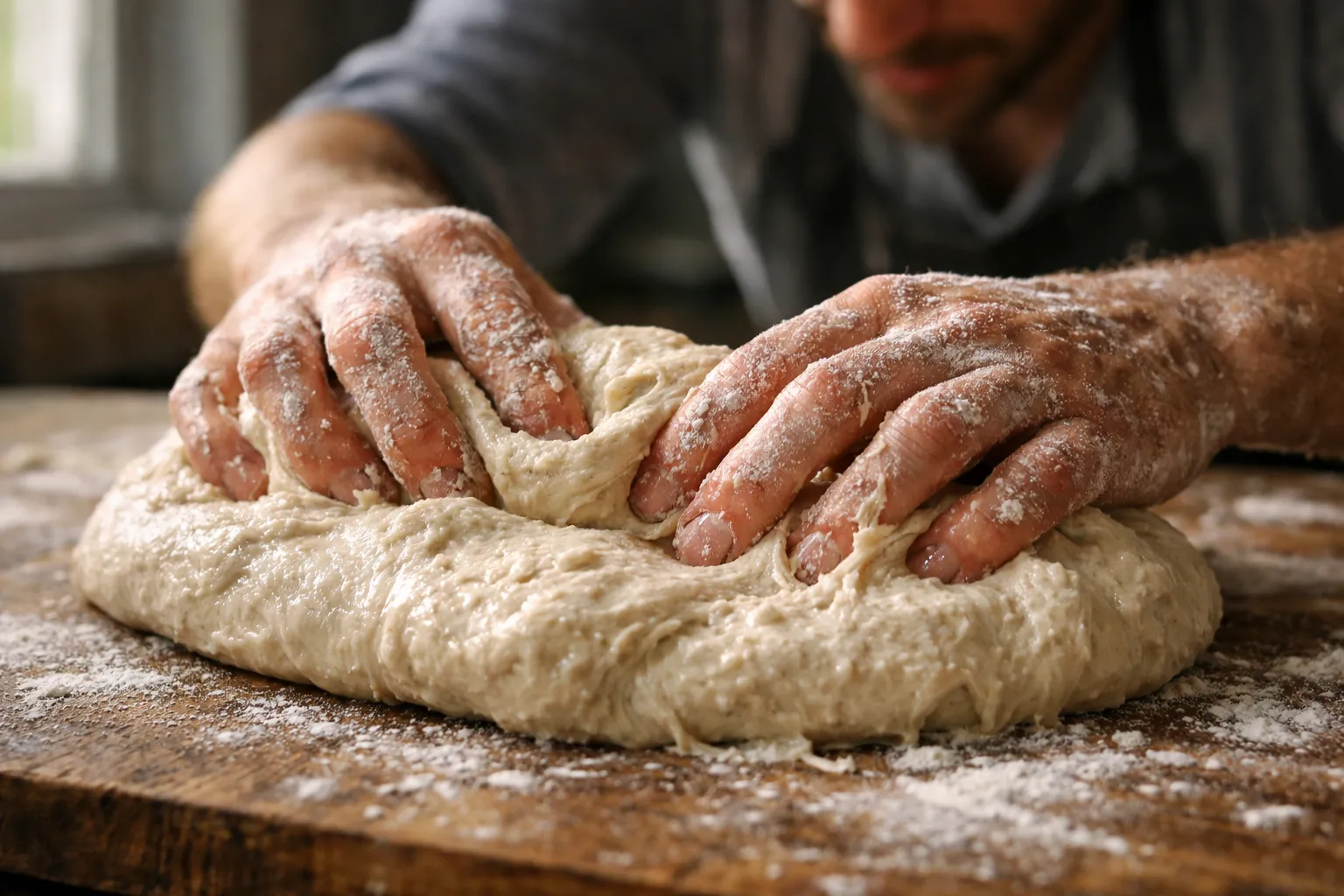
Starting a sourdough culture is surprisingly simple. The Art of Sourdough: A Guide to Fermented Bread Making Source Mix equal parts flour and water in a jar. Leave it at room temperature. Feed it daily. Within five to seven days, wild yeast from your environment colonizes the mixture, and fermentation begins naturally.
The process connects you to something ancient. Source Humans have fermented bread for thousands of years. In contrast, modern commercial bread — with its rapid-rise yeast and additives — represents a very recent experiment. Our guts, it seems, haven’t fully adapted.
Is Sourdough Bread Good for You?
Who Benefits Most?
People with non-celiac gluten sensitivity often find sourdough far more tolerable than conventional bread. Those with IBS frequently report improvement. Additionally, anyone dealing with chronic bloating, sluggish digestion, or nutrient deficiencies may notice real change after switching.
However, sourdough is not a cure for celiac disease. People with celiac must avoid all gluten sources, including sourdough. Therefore, always consult your doctor before making dietary changes based on digestive symptoms.
A Simple Bread With Surprisingly Deep Roots
My grandmother never read a study about gut microbiomes. She never counted glycemic index points or tracked her phytic acid intake. She simply knew — the way generations before her knew — that slow bread made with a living culture felt different in the body. It sat easier. It satisfied longer.
Science is now catching up to what she already understood intuitively. The fermentation process transforms a simple mixture of flour and water into something genuinely functional. It breaks down what your body struggles with, feeds the bacteria that protect you, and delivers nutrients your gut can actually use.
If your stomach has been giving you trouble, Is Sourdough Bread Good for You? | BBC Good Food might not be the dramatic solution you’re looking for. But it could be a quiet, delicious step in the right direction. Sometimes, the best answers have been sitting on a kitchen counter all along — bubbling away, waiting for you to pay attention.
The Starter That Actually Stayed Alive (Unlike My First Three)
Building a thriving culture from scratch is the foundation of everything—fermentation strength, gluten breakdown, flavor development, digestive benefits. A weak or inconsistent starter means weak results, and I learned that lesson the hard way after killing batch after batch with neglect and guesswork.
What works
- Comes with clear feeding ratios and timeline instructions—no second-guessing whether your jar is “active enough” or just sad.
- The culture is already established, so you skip the messy first week of watching flour and water go absolutely nowhere.
- Produces consistently strong rise and reliable sour flavor by day three, which means your fermentation and gluten breakdown actually happen the way they’re supposed to.
What doesn’t
- You still have to actually feed it regularly—there’s no substitute for daily or twice-daily maintenance, or you’ll end up with the same dead starter you had before.
- Costs more upfront than just mixing flour and water, which stings if you’re skeptical about whether sourdough is worth the effort.
I almost gave up on sourdough entirely when my fourth attempt at building a starter from wild yeast went moldy, but switching to an established culture changed everything. If you’re serious about unlocking those digestive benefits through proper fermentation, a sourdough starter is worth the investment.
This post contains affiliate links. As an Amazon Associate, I earn from qualifying purchases at no extra cost to you.