The Global Heritage of Wild Yeast
San Francisco often dominates the conversation regarding sourdough. However, the history of capturing wild yeast dates back much further. Ancient Egypt is likely the true birthplace of leavened bread. Consequently, this tradition spans thousands of years and crosses every continent. Local bakers adapted fermentation to their specific grains and climates. Therefore, the definition of sourdough changes depending on where you travel.
If you’re inspired to explore the ancient art of wild yeast fermentation at home after reading about these global bread traditions, having the right tools and ingredients can make your journey much more rewarding and successful. Starting with authentic ingredients like a pack of teff flour allows you to recreate the distinctive tangy flavor of Ethiopian injera right in your own kitchen, bringing those international flavors to life. For those ready to dive into sourdough baking seriously, a Complete Sourdough Starter kit provides everything you need including proofing baskets and fermentation jars to nurture your own living culture just like families have done for generations. Precision matters when working with fermentation ratios, so investing in a reliable 110lb/50KG Kitchen Scale ensures you maintain the proper flour-to-water balance that creates consistently excellent results every single time. Mixing dough properly requires adequate space, which is why a NUTRIUPS Quart Large glass mixing bowl with a lid becomes invaluable for both combining ingredients and allowing your dough to rise undisturbed. Traditional bread making feels more authentic when you use natural materials, so a set of Zulay Kitchen 6-Piece wooden spoons connects you to centuries of bakers who relied on simple, effective tools rather than modern gadgets. Developing gluten structure and incorporating air requires proper whisking technique, which makes a quality pack of stainless steel whisks in various sizes essential for different stages of your bread-making process. Learning proper techniques becomes easier with guidance from resources like Taste Home Breads: a comprehensive cookbook that covers everything from basic loaves to advanced fermentation methods for bakers at every skill level. If you want to expand beyond bread into other fermented foods like the kimchi and pickled vegetables common in many cultures, a traditional bag style fermentation crock provides the perfect anaerobic environment for developing complex flavors safely and effectively. Shaping your loaves properly is crucial for achieving that professional bakery appearance, which is why having a dedicated Banneton Bread Proofing basket set helps create the beautiful spiral patterns and structural support that artisan breads are known for worldwide. Finally, when you’re ready to cook flatbreads like Indian bhatura or Ethiopian injera that require even heat distribution, a Cookware Carbon Steel griddle provides the perfect surface for achieving those characteristic bubbles and char marks that make these breads so delicious and authentic.
In many regions, these breads are daily staples rather than artisanal luxuries. For example, families pass down starters through generations. This creates a living link to culinary history. Moreover, the methods are often simple yet highly effective. They rely on time and temperature rather than commercial additives. Thus, the result is always nutritious and flavorful.
Iconic Fermented Breads Around the World
Different cultures utilize fermentation to create distinct textures. You might find flatbreads, steamed buns, or dense loaves. Here are a few notable examples:
- Ethiopia (Injera): This is a spongy flatbread made from teff flour. It ferments for several days. As a result, it develops a sharp, tangy flavor perfect for stews.
- Germany (Pumpernickel): German bakers use a rye starter. This creates a heavy, dark, and slightly sweet bread.
- India (Bhatura): This deep-fried bread often uses yogurt as a fermenting agent. Consequently, the dough becomes soft and airy.
- Sudan (Kisra): Similar to Injera, this uses fermented sorghum flour. It is a vital source of nutrition in the region.
The Science of Local Flavor
The environment plays a massive role in bread production. Specifically, the wild yeast and bacteria in the air vary by location. Therefore, a starter created in Seattle tastes different than one from Naples. The local microflora consumes sugars in unique ways. Consequently, they produce different levels of lactic and acetic acid.
These acids determine the final flavor profile. Some breads are intensely sour. In contrast, others are mild and creamy. Additionally, the type of grain changes the fermentation speed. Rye ferments differently than wheat or corn. Ultimately, “sourdough” is a universal language spoken with many regional accents.

Explore these ten incredible fermented breads. You must try them to truly understand the diversity of global baking. Additionally, we have included recipes so you can bake them at home.
1. Injera (Ethiopia)

Injera acts as both a food and a utensil in Ethiopian cuisine. This spongy, sour flatbread features a distinct texture due to its fermentation process. Bakers exclusively use teff flour, an ancient grain, to create the authentic version. The fermentation period lasts for several days. Consequently, the batter develops a sharp, tangy flavor that pairs perfectly with spicy stews.
Injera Ingredients:
- 2 cups Teff flour
- 3 cups Water
- 1/2 cup Sourdough starter (or commercial yeast for faster results)
Detailed Preparation Steps
Mixing Your Teff Batter
Begin by combining the teff flour and sourdough starter in a large mixing bowl. Add exactly 2 cups of water to create the initial mixture. Use a wooden spoon or whisk to blend thoroughly. The consistency should be thick and somewhat lumpy at this stage. This is completely normal for injera preparation. Make sure all dry flour particles are incorporated into the wet ingredients.
The Fermentation Process
Cover your bowl with a clean kitchen towel or plastic wrap. Place it in a warm spot away from direct sunlight. The ideal temperature ranges between 70-75°F for optimal fermentation. Allow the mixture to rest for 24 to 48 hours. During this time, natural fermentation occurs. The batter will develop its characteristic tangy flavor. You’ll notice bubbles forming on the surface. Additionally, the mixture will increase slightly in volume.
Adjusting the Consistency
After fermentation completes, examine your batter carefully. Gradually stir in the remaining water until you achieve the proper texture. The final consistency should resemble thin crepe or pancake batter. It should flow easily from your ladle. However, it shouldn’t be watery. Test by lifting your spoon and watching how it drips. The batter should create a smooth, continuous stream.
Cooking Your Injera
Preheat your non-stick skillet over medium heat for about 2-3 minutes. The pan must be hot but not smoking. Pour approximately one ladle of batter into the center. Quickly swirl the pan in circular motions. This distributes the batter evenly across the bottom surface. Work rapidly to prevent premature setting.
Immediately cover the skillet with a lid. This crucial step traps steam inside. The steam cooks the top surface of the injera. Cook for 1-2 minutes without disturbing. Watch for small bubbles forming across the entire surface. The edges will begin pulling away from the pan. Furthermore, the top should appear dry and matte.
Final Steps
Remove the injera carefully using a spatula. Never flip it like a traditional pancake. The bottom should have a light golden color. Meanwhile, the top remains pale and spongy. Transfer it to a clean plate or cooling rack. Let it cool for several minutes before serving. Repeat this process with remaining batter.
2. Bhatura (India)
The Origins and Cultural Significance of Bhatura
Bhatura represents one of North India’s most beloved breakfast traditions. This iconic bread originated in the Punjab region centuries ago. Moreover, it has become a staple across major Indian cities. Street vendors and upscale restaurants alike feature this delicacy on their menus. The dish holds particular importance in Punjabi cuisine and culture.
Traditionally, families serve bhatura during special occasions and weekend brunches. The bread pairs perfectly with chana masala, creating the famous “chole bhature” combination. Furthermore, this pairing has achieved legendary status throughout India. Many consider it the ultimate comfort food experience.
The Unique Fermentation Process
The fermentation method sets bhatura apart from conventional bread preparations. Instead of commercial yeast, the dough relies primarily on yogurt as its leavening agent. Additionally, some recipes incorporate a small amount of baking powder for extra lift. The yogurt contains Lactobacillus bacteria, which naturally ferment the flour mixture.
This bacterial activity produces carbon dioxide bubbles throughout the dough. Consequently, the mixture develops its characteristic airy texture over several hours. The fermentation period typically ranges from two to eight hours. However, some traditional recipes call for overnight resting.
Flavor Development Through Fermentation
The yogurt’s bacterial cultures create more than just leavening action. They also generate lactic acid during the fermentation process. This acid gives bhatura its distinctive tangy undertone. Moreover, it adds complexity to the bread’s flavor profile.
The slight sourness balances beautifully with the spicy chickpea curry. Therefore, the combination creates a harmonious taste experience. Many food enthusiasts specifically seek out this subtle tartness. It distinguishes authentic bhatura from simpler fried breads.
The Dramatic Transformation During Frying
The cooking process transforms the prepared dough into something spectacular. When submerged in extremely hot oil, the bhatura undergoes rapid changes. The intense heat causes the internal moisture to convert into steam. As a result, the bread inflates dramatically within seconds.
The exterior quickly develops a golden-brown crust that’s crispy yet tender. Meanwhile, the interior remains soft and slightly chewy. The bread puffs up like a balloon, creating a hollow center. Furthermore, this dramatic inflation makes bhatura visually impressive and incredibly light.


Understanding the Indian Sourdough Variant
Bhatura stands out as a unique entry in the world of fermented breads. It is a beloved staple of North Indian cuisine. Unlike simple flatbreads, this deep-fried delight relies on fermentation for its texture. Therefore, it fits perfectly into the broader sourdough conversation. The dough utilizes natural bacteria found in yogurt. Consequently, it develops a slight tang and a complex flavor profile.
This bread is significantly softer than unfermented options like Puri. The fermentation process breaks down the starches. As a result, the interior becomes spongy and airy. Meanwhile, the exterior crisps up beautifully in hot oil. It offers a delightful contrast in every bite.
The Role of Ingredients
The ingredient list provided creates a specific chemical reaction. The plain yogurt is the most critical component here. It acts similarly to a sourdough starter. Source The live cultures in the yogurt interact with the flour and sugar. Furthermore, the acidity in the yogurt activates the baking powder.
This reaction releases carbon dioxide gas. Thus, the dough rises and becomes light. Sugar feeds the fermentation process, speeding it up. Additionally, it aids in browning during frying. Oil ensures the bread remains soft after cooking. Without these specific elements, the bread would be dense and flat.
Step-by-Step Preparation Tips
Achieving the perfect Bhatura requires more than just mixing ingredients. You must follow a specific method to ensure the dough puffs correctly. Here is a guide to the process:
- Sift the dry ingredients together to aerate the flour.
- Mix the yogurt in slowly to control hydration.
- Knead vigorously for at least 8 to 10 minutes.
- Coat with oil to prevent a crust from forming.
- Cover with a damp cloth to maintain moisture.
Resting the dough is the most important step. You should let it sit for at least two hours. However, four hours is often better for flavor development. This resting period allows the gluten strands to relax. Consequently, the dough becomes elastic and easy to roll.
Serving and Pairing
Bhatura is rarely consumed on its own. It is traditionally paired with a spicy chickpea curry. This famous combination is known globally as Chole Bhatura. The rich, heavy bread complements the tangy, spicy gravy perfectly. Moreover, the fermented flavor cuts through the richness of the curry.
This dish is a popular choice for breakfast or lunch. In India, street vendors serve it fresh from the frying wok. It is often accompanied by pickled onions and green chilies. Finally, a glass of sweet lassi often completes the meal.
Instructions:
- Sift flour, salt, and baking powder into a large bowl.
- Mix in the sugar and yogurt, kneading to form a soft dough.
- Cover the dough with a damp cloth and leave it in a warm place for 4-6 hours.
- Heat oil in a deep frying pan.
- Divide dough into small balls and roll them into discs.
- Slide the disc into hot oil and press gently until it puffs up.
- Fry until golden brown on both sides.
3. Kisra (Sudan)

Kisra serves as a staple in Sudanese households. This thin, fermented sheet resembles a crepe but tastes much sourer. Cooks traditionally make it from sorghum flour. The fermentation process breaks down the grain’s starches. Therefore, the bread becomes easily digestible. Families often eat it with various stews, using the bread to scoop up the meat and vegetables.
Kisra Ingredients:
- 2 cups Sorghum flour
- 1 cup All-purpose flour
- 2 cups Water
- 1/4 cup Sourdough starter
Instructions:
- Combine sorghum flour, all-purpose flour, and starter in a bowl.
- Add water gradually to form a thick batter.
- Cover and ferment overnight (about 12 hours).
- Thin the batter with a little more water if necessary before cooking.
- Heat a flat griddle or non-stick pan.
- Pour a small amount of batter and spread it very thin using a credit card or spatula.
- Cook for 30-60 seconds until the edges lift.
- Peel off the bread and stack it on a plate.
4. Birote Salado (Mexico)
Guadalajara is famous for this crunchy, sourdough-style bread. Locals claim the region’s specific climate and altitude make the bread unique. Bakers create a thick, crunchy crust that withstands spicy sauces. Specifically, this bread is essential for the “torta ahogada,” or drowned sandwich. The dough uses a natural starter and often includes lime or beer.

Birote Salado Ingredients:
- 4 cups Bread flour
- 1.5 cups Water
- 1 cup Sourdough starter
- 1 tsp Salt
- 1 tsp Lime juice
Instructions:
- Mix flour, water, starter, and lime juice in a mixer.
- Knead until the dough becomes elastic and smooth.
- Add salt and knead for another minute.
- Let the dough rise in a bowl for 3 hours.
- Shape the dough into pointed, baguette-like rolls.
- Allow rolls to proof for 2 hours.
- Preheat your oven to 450°F (230°C) with a pan of water on the bottom rack for steam.
- Bake for 20-25 minutes until the crust turns dark golden.
5. Rugbrød (Denmark)

A Staple of Nordic Life
Denmark possesses a deep affection for its national bread. This isn’t just food; it is a cultural cornerstone. Rugbrød anchors the daily lunch ritual known as frokost. Consequently, most school children and office workers pack it daily. The dark, brick-like loaf offers comfort during long Nordic winters. In fact, many Danes consider a meal incomplete without it.
The Art of Smørrebrød
The most iconic use of Rugbrød is undoubtedly smørrebrød. These open-faced sandwiches turn lunch into an art form. First, you butter the dense slice heavily to seal it. Next, you pile on elaborate toppings.
Common combinations include:
- Pickled herring with curry salad
- Warm liver paté with bacon and mushrooms
- Roast beef with remoulade and crispy onions
Finally, fresh herbs like dill or chives provide a garnish. Therefore, the bread serves as both a plate and a flavor enhancer.
Ingredients and Texture
Unlike airy wheat loaves, Rugbrød is heavy and moist. It relies almost exclusively on rye flour. Additionally, bakers pack the dough with texture. Common additions include cracked rye kernels, sunflower seeds, and flaxseeds. This mixture creates a satisfyingly chewy bite. As a result, a single slice feels like a complete meal.
The Science of Sourdough Rye
The magic lies in the fermentation process. Rye flour contains little gluten, so it requires acidity to rise. A sourdough starter provides this essential tang. Moreover, the acidification process prevents the bread from spoiling quickly. Consequently, a loaf stays fresh for over a week.
Health-conscious eaters also prize Rugbrød for its benefits. It is incredibly rich in dietary fiber. Furthermore, the slow-burning carbohydrates provide sustained energy. This prevents the sugar crash associated with white bread. Thus, it remains the ultimate fuel for an active lifestyle.
Rugbrød Ingredients:
- 3 cups Rye flour
- 1 cup Cracked rye kernels
- 1 cup Sunflower seeds
- 1 cup Sourdough starter
- 2 cups Water
- 1 tbsp Salt
- 1 tbsp Molasses
Instructions:
- Soak rye kernels in water for 24 hours.
- Mix the soaked kernels, rye flour, seeds, starter, water, salt, and molasses.
- Stir until everything combines into a thick, sticky paste.
- Grease a loaf pan and pour the mixture in.
- Cover and let it rise for 4-6 hours.
- Preheat the oven to 350°F (175°C).
- Bake for 60-75 minutes.
- Cool completely on a rack before slicing.
6. Appam (Sri Lanka/South India)
These bowl-shaped pancakes feature soft, spongy centers and crispy edges. Cooks make them from fermented rice batter and coconut milk. The unique shape comes from the “appa chatti,” a curved wok-like pan. The fermentation imparts a subtle sourness that balances the sweet coconut flavor. Consequently, they pair beautifully with spicy curries or sweet coconut milk.

Understanding Appam’s Traditional Foundation
Appam represents a cherished fermented delicacy from South India. This bowl-shaped pancake showcases sourdough principles through natural fermentation. The dish originates primarily from Kerala, Tamil Nadu, and Sri Lankan cuisine. Moreover, it demonstrates how ancient cultures mastered fermentation without modern technology.
Essential Ingredients Breakdown
The raw rice forms the backbone of authentic appam batter. Consequently, soaking it for four hours softens the grains completely. This process ensures smoother grinding and better fermentation results. Additionally, long-grain rice varieties work exceptionally well for this recipe.
Grated coconut provides richness and distinctive tropical flavor. Furthermore, fresh coconut creates superior taste compared to dried alternatives. The coconut also contributes natural sweetness and creamy texture. Meanwhile, it helps achieve the characteristic soft center of appam.
Fermentation Activators
Yeast serves as the primary leavening agent in this recipe. However, traditional methods often rely solely on natural fermentation. Therefore, some cooks prefer eliminating yeast entirely for authentic results. The choice depends on available time and desired tanginess.
Sugar feeds the yeast and accelerates fermentation significantly. For example, it reduces waiting time from overnight to just few hours. Additionally, sugar balances the slight sourness that develops during fermentation. Meanwhile, it promotes the golden-brown edges that make appam visually appealing.
Seasoning and Consistency
Salt enhances overall flavor while controlling fermentation speed. Consequently, it prevents the batter from becoming excessively sour. Moreover, proper salt balance creates the perfect savory-sweet harmony.
Water determines the batter’s final consistency and texture. Therefore, adding it gradually ensures optimal thickness. The ideal batter should coat a spoon lightly. As a result, this produces appam with crispy edges and soft, fluffy centers.
Preparing the Perfect Batter Base
The foundation of exceptional appam begins with creating a silky-smooth batter. Combine your pre-soaked rice with freshly grated coconut in a high-powered blender. Gradually add water while grinding to achieve the ideal consistency. The mixture should flow like thick cream, coating the back of a spoon smoothly. For example, traditional cooks test readiness by letting batter drip from a ladle. Additionally, the batter should show no grainy texture when rubbed between fingers.
Activating the Fermentation Process
Once your base is perfectly smooth, it’s time to introduce the leavening agents. Mix in active dry yeast along with a measured amount of sugar. The sugar feeds the yeast, creating those characteristic bubbles. Furthermore, add salt to balance the sweetness and enhance overall flavor. Therefore, ensure all ingredients blend uniformly throughout the mixture. Meanwhile, prepare a warm spot for fermentation to occur optimally.
The Critical Fermentation Stage
Transfer your batter to a large, clean container with room for expansion. Cover loosely with a damp cloth to maintain moisture while allowing gases to escape. Consequently, place the container in a warm environment between 75-85°F. The fermentation typically requires eight hours to develop proper sourness and airiness. However, timing may vary based on ambient temperature and yeast activity. As a result, check periodically for doubled volume and a pleasant tangy aroma.
Mastering the Cooking Technique
Heating Your Cooking Vessel
Select a traditional appam pan with its distinctive curved wells, or substitute with small woks. Moreover, preheat the pan over medium heat until water droplets sizzle instantly. A properly heated surface ensures even cooking and prevents sticking. Additionally, lightly grease the pan with coconut oil for authentic flavor.
The Swirling Method
Pour approximately one ladle of fermented batter directly into the pan’s center. Immediately lift and rotate the pan in circular motions with your wrist. This technique distributes batter along the sides while maintaining a thicker pool centrally. In contrast, the edges should form paper-thin, crispy layers. The center remains soft and spongy, creating the signature texture contrast.
Final Cooking Steps
Cover the pan immediately with a tight-fitting lid to trap steam. The steam cooks the thick center portion while edges crisp beautifully. Therefore, resist the temptation to peek during cooking. After approximately two minutes, check for golden-brown edges and a fully set center. The appam should release easily from the pan when ready.
7. Borodinsky (Russia)

This dark, coriander-spiced rye bread is a Russian icon. Legend says a widow created it after the Battle of Borodino. The recipe utilizes rye malt and molasses for a deep, dark color. Moreover, the fermentation process creates a complex sweet-and-sour profile. People enjoy it with salty fat (salo) or simple butter.
Borodinsky Bread Ingredients:
- 3 cups Rye flour
- 1 cup Wheat flour
- 2 tbsp Rye malt (fermented)
- 1 tbsp Ground coriander seeds
- 2 tbsp Molasses
- 1 cup Sourdough starter
- 1.5 cups Water
Instructions:
- Mix rye malt with hot water and let it cool.
- Combine all flours, starter, molasses, coriander, and the malt mixture.
- Knead into a sticky dough.
- Place dough in a greased loaf pan.
- Sprinkle whole coriander seeds on top.
- Proof for 3-4 hours until it expands significantly.
- Bake at 375°F (190°C) for 45-50 minutes.
8. Mantou (China)

While many think of baked loaves, steamed bread is huge in China. Traditional Mantou uses an “old dough” method similar to sourdough. This starter adds depth to the plain wheat buns. The texture is incredibly soft and fluffy. Diners eat these plain or dip them into condensed milk. Conversely, savory versions accompany meat dishes.
The Chinese Take on Sourdough
China offers a unique contribution to the global sourdough map. Unlike the crusty, baked loaves of Europe, Sourdough Mantou is steamed. Consequently, this cooking method creates a soft, cloud-like texture. Furthermore, these buns are a staple food in Northern China. They often replace rice as the primary carbohydrate in meals.
Using sourdough discard in this traditional recipe is a modern twist. However, it honors the ancient practice of natural fermentation. The starter adds a complex depth of flavor. Additionally, it balances the sweetness from the sugar. Therefore, this recipe is perfect for using up excess starter.
Understanding the Ingredients
The ingredient list is simple yet effective. All-purpose flour provides the necessary structure without being too chewy. Meanwhile, the water hydrates the gluten network. The star of the show, however, is the sourdough discard. It acts as both a flavoring agent and a leavening booster.
Incorporating sugar is crucial for two reasons. First, it feeds the wild yeast in your starter. Second, it provides a subtle sweetness that characterizes classic Mantou. Finally, a teaspoon of oil ensures the dough remains soft. It also gives the finished buns a beautiful, glossy sheen.
Preparation Tips
Making these buns requires patience and technique. Follow these steps for the best results:
- Mix Thoroughly: Combine all ingredients until a shaggy dough forms.
- Knead Well: Work the dough until it is completely smooth and elastic.
- Proofing: Allow the dough to rest until it doubles in size.
- Shaping: Form the dough into smooth, round balls.
Proper kneading is essential for the texture. If you under-knead, the surface will be rough. Conversely, a well-kneaded dough yields a porcelain-like finish. Afterward, steaming locks in the moisture.
How to Serve Mantou
Sourdough Mantou is incredibly versatile. You can enjoy these buns in many different ways. For example, serve them warm alongside spicy savory dishes. They are excellent for soaking up rich sauces. Alternatively, you can eat them plain as a simple breakfast.
For a sweet treat, try deep-frying the steamed buns. Then, dip them in sweetened condensed milk. This variation is a popular dessert in many Chinese restaurants. As a result, one batch of dough provides multiple meal options. Ultimately, this recipe bridges the gap between Western sourdough culture and Chinese tradition.
Instructions:
- Dissolve sugar in the water.
- Mix flour, water, oil, and starter to form a shaggy dough.
- Knead vigorously for 10 minutes until very smooth.
- Let the dough rest for 15 minutes.
- Roll dough into a log and cut into 8 pieces.
- Place each piece on a square of parchment paper.
- Proof in a steamer basket for 45 minutes.
- Steam over boiling water for 15 minutes.
- Turn off heat and wait 5 minutes before opening the lid.
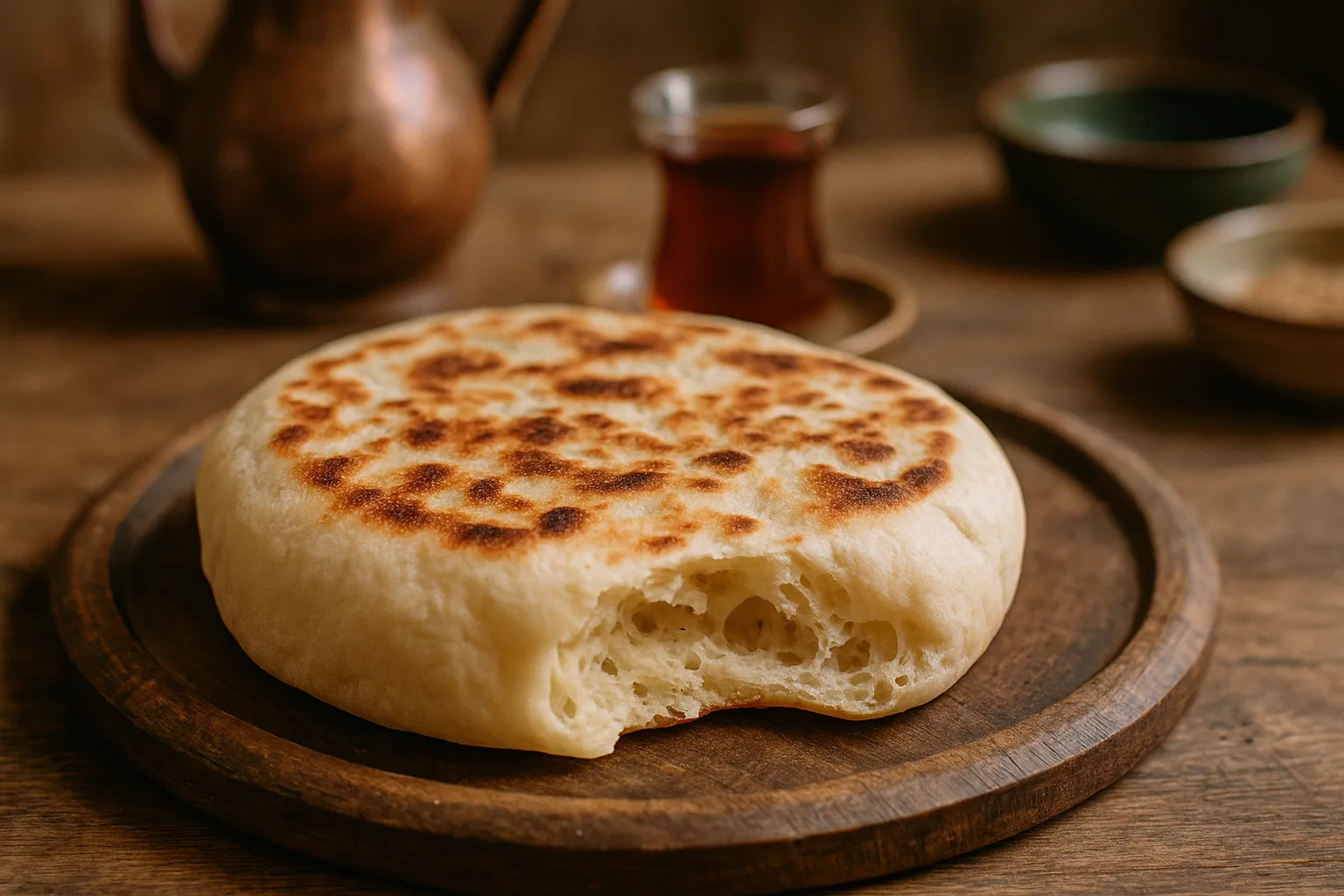
9. Bazlama (Turkey)

The Anatolian Sourdough Tradition
Known locally as Bazlama, this bread represents the heart of Turkish rural cuisine. Indeed, families in Anatolia have perfected this specific recipe over many centuries. Consequently, it holds a vital place in daily village life. Unlike standard commercial loaves, this bread relies entirely on wild yeast. Therefore, it captures the unique terroir and bacteria of the region.
The preparation is often a communal activity among neighbors. Women gather together to knead large batches of dough by hand. Furthermore, they share the labor of maintaining the fire. As a result, the baking process strengthens social bonds within the community.
The Science of Yogurt and Yeast
The magic of this bread lies in its fermentation process. Specifically, the recipe calls for a robust sourdough starter mixed with Greek yogurt. This unique combination creates a distinct chemical reaction during the rise. Consequently, the crumb becomes incredibly tender and airy.
Additionally, the dairy introduces healthy fats and enzymes to the mix. The lactic acid from the yogurt complements the sourdough tang perfectly. Thus, you get a delightful balance of sourness and creaminess in every bite. This mixture also improves the bread’s shelf life significantly.
Key Texture Characteristics
- Pillowy Softness: It feels much lighter than dense pita bread.
- Chewy Crust: The exterior offers a satisfying resistance.
- Open Crumb: The interior is full of air pockets.
Mastering the Wood Fire
Traditional cooking methods play a crucial role in the final taste. Villagers typically use an outdoor wood-fired oven or a convex griddle called a sac. Consequently, the intense heat causes the dough to puff up instantly. This rapid expansion creates a signature hollow pocket inside.
Meanwhile, the wood smoke infuses the crust with an earthy aroma. If you cannot use a wood fire, a cast-iron skillet works well. However, you must ensure the pan is smoking hot before baking. Otherwise, the bread will not rise correctly.
Perfect Pairings for Serving
You can enjoy this versatile bread at any time of day. However, it truly shines as the centerpiece of a traditional Turkish breakfast. The warm, porous texture absorbs toppings beautifully.
Consider serving it with these classic accompaniments:
- Fresh Butter: Slather it on while the bread is still steaming hot.
- Kaymak and Honey: This offers a classic sweet and savory combination.
- Spicy Dips: Use the bread to scoop up acuka or red pepper paste.
- Aged Cheeses: Pair it with salty feta or kasseri cheese.
Ultimately, Bazlama acts as an edible spoon for these rich flavors. Therefore, it transforms a simple meal into a feast.
Bazlama Ingredients:
- 4 cups Flour
- 1 cup Greek yogurt
- 1 cup Warm water
- 2 tsp Yeast
- 1 tsp Salt
Instructions:
- Activate yeast in warm water for 5 minutes.
- Mix flour and salt in a large bowl.
- Add the yeast water and yogurt to the flour.
- Knead for 8-10 minutes until soft.
- Cover and rise for 1 hour.
- Divide dough into 6 balls and flatten them into 6-inch rounds.
- Heat a skillet over medium heat.
- Cook each round for 2-3 minutes per side until puffy and spotted brown.
10. Pane di Altamura (Italy)

This bread holds a prestigious PDO (Protected Designation of Origin) status. Bakers in the Apulia region use durum wheat semolina. The crust becomes incredibly thick, while the crumb remains yellow and airy. Historically, this bread lasted for weeks, feeding farmers during long trips. The fermentation relies on a mother dough that families pass down through generations.
Pane di Altamura Style Bread Ingredients:
- 4 cups Durum wheat flour (Semola Rimacinata)
- 2.5 cups Water
- 1 cup Stiff sourdough starter
- 2 tsp Sea salt
Instructions:
- Dissolve the starter in the water.
- Add the durum flour and mix until combined.
- Let the dough rest for 30 minutes (autolyse).
- Add salt and knead until the dough is smooth.
- Ferment in bulk for 3-4 hours, folding the dough every hour.
- Shape the dough into a high round loaf.
- Proof for 2 hours.
- Score the top deeply.
- Bake at 425°F (220°C) for 40-50 minutes until the crust is very hard.
Conclusion
The world offers endless variety when it comes to fermented breads. From the sour tang of Ethiopian Injera to the hearty crunch of Italian Pane di Altamura, fermentation creates magic. These recipes allow you to bring global flavors into your kitchen. Therefore, we encourage you to start a batch today. Your taste buds will thank you for the adventure.
If you’re inspired to explore the ancient art of wild yeast fermentation at home after reading about these global bread traditions, having the right tools and ingredients can make your journey much more rewarding and successful. Starting with authentic ingredients like a pack of teff flour allows you to recreate the distinctive tangy flavor of Ethiopian injera right in your own kitchen, bringing those international flavors to life. For those ready to dive into sourdough baking seriously, a Complete Sourdough Starter kit provides everything you need including proofing baskets and fermentation jars to nurture your own living culture just like families have done for generations. Precision matters when working with fermentation ratios, so investing in a reliable 110lb/50KG Kitchen Scale ensures you maintain the proper flour-to-water balance that creates consistently excellent results every single time. Mixing dough properly requires adequate space, which is why a NUTRIUPS Quart Large glass mixing bowl with a lid becomes invaluable for both combining ingredients and allowing your dough to rise undisturbed. Traditional bread making feels more authentic when you use natural materials, so a set of Zulay Kitchen 6-Piece wooden spoons connects you to centuries of bakers who relied on simple, effective tools rather than modern gadgets. Developing gluten structure and incorporating air requires proper whisking technique, which makes a quality pack of stainless steel whisks in various sizes essential for different stages of your bread-making process. Learning proper techniques becomes easier with guidance from resources like Taste Home Breads: a comprehensive cookbook that covers everything from basic loaves to advanced fermentation methods for bakers at every skill level. If you want to expand beyond bread into other fermented foods like the kimchi and pickled vegetables common in many cultures, a traditional bag style fermentation crock provides the perfect anaerobic environment for developing complex flavors safely and effectively. Shaping your loaves properly is crucial for achieving that professional bakery appearance, which is why having a dedicated Banneton Bread Proofing basket set helps create the beautiful spiral patterns and structural support that artisan breads are known for worldwide. Finally, when you’re ready to cook flatbreads like Indian bhatura or Ethiopian injera that require even heat distribution, a Cookware Carbon Steel griddle provides the perfect surface for achieving those characteristic bubbles and char marks that make these breads so delicious and authentic.
*As an Amazon Associate, I earn from qualifying purchases.