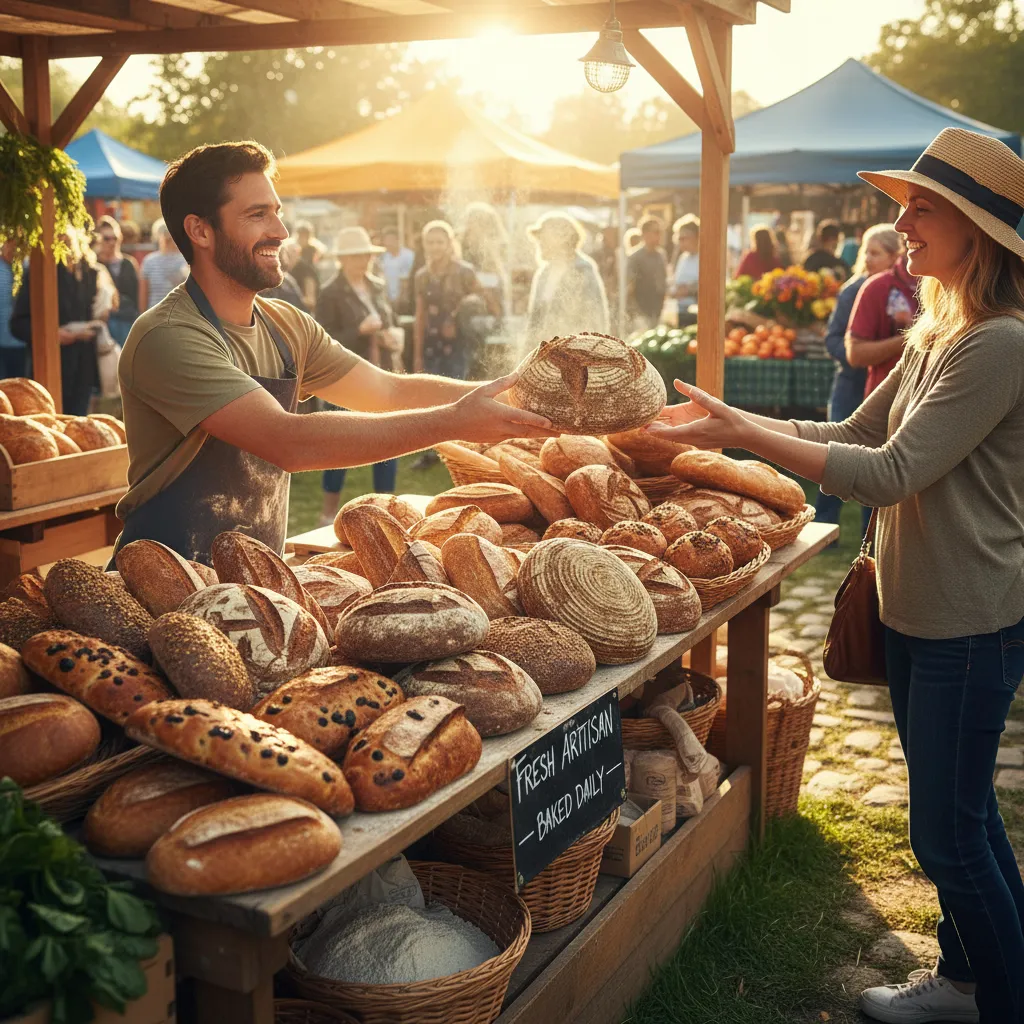
Sourdough bread offers a unique crust, a tangy flavor, and an airy texture. Behind every delicious loaf lies a bubbling, living ecosystem known as a sourdough culture or starter. This simple mixture of flour and water is far from inert. In fact, it hosts a complex community of wild yeasts and beneficial bacteria. These microbes work together in a fascinating partnership. They transform simple ingredients into a flavorful, nutritious, and easily digestible bread. Understanding this microbial world reveals the true magic of sourdough. Source
. The Science of Sourdough: A Cu…
The Living Heart of Sourdough
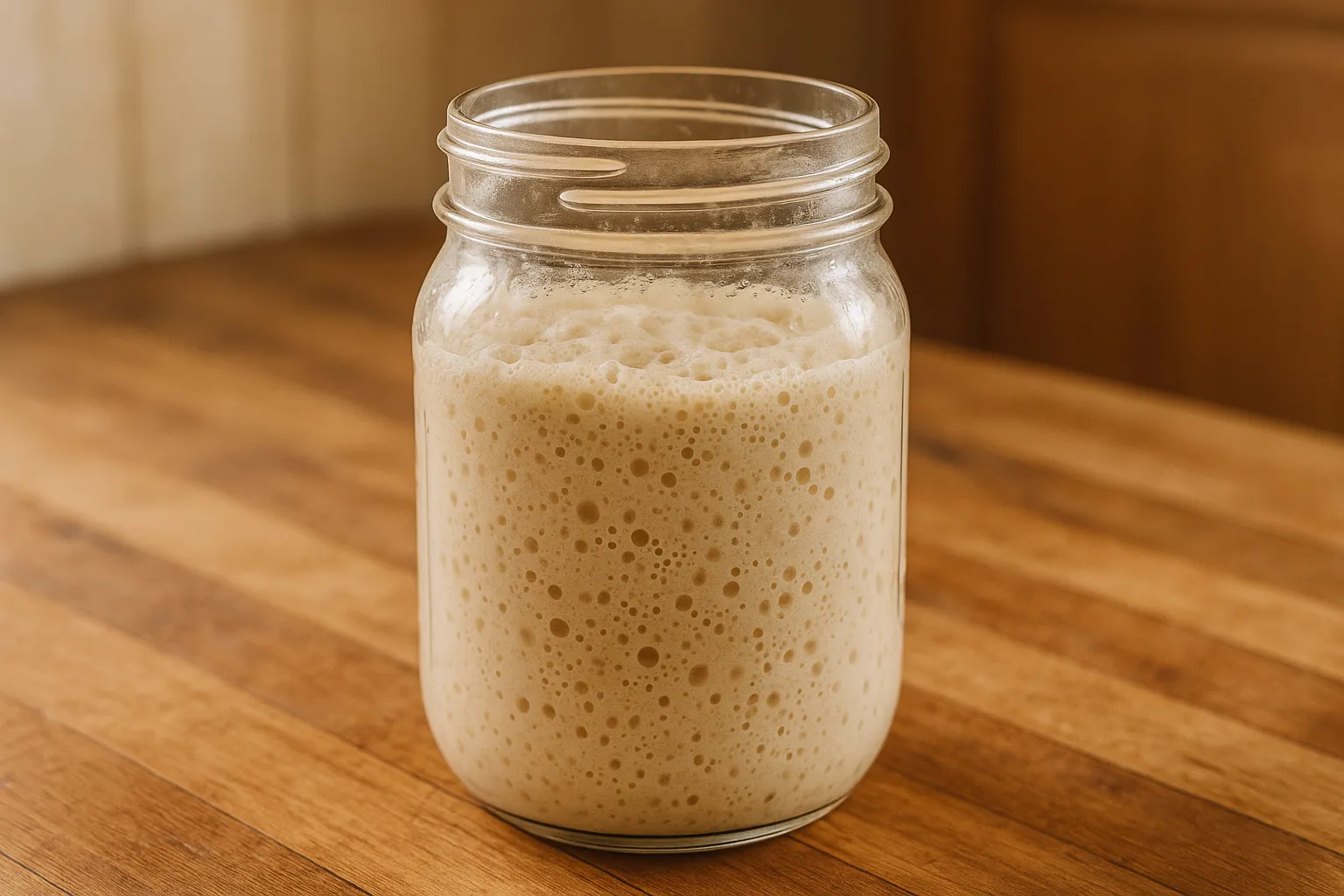
A sourdough starter is a culture of microorganisms from the environment. Bakers create it by mixing flour and water and allowing it to ferment. Wild yeasts and bacteria, naturally present on the flour and in the air, colonize this mixture. Over several days of regular feeding with more flour and water, a stable and active culture develops. This culture becomes the natural leavening agent for the bread. It replaces the need for commercial baker’s yeast.
This process harnesses the power of nature. Each starter is unique to its environment. Therefore, the specific microbes in a San Francisco starter will differ from those in a European one. This variation contributes to the distinct regional flavors of sourdough breads around the world. The baker’s role is to nurture this ecosystem. By providing regular feedings, they ensure the microbes thrive and are ready to leaven dough.
A Symbiotic Partnership
The magic of sourdough fermentation lies in the symbiotic relationship between two main types of microbes: wild yeasts and lactic acid bacteria (LAB). These microorganisms are not competitors. Instead, they form a cooperative community where each benefits the other. This teamwork is what gives sourdough its signature characteristics.
The yeast primarily handles the leavening. It consumes the sugars in the flour and releases carbon dioxide gas. These gas bubbles get trapped in the dough’s gluten network, causing it to rise. Meanwhile, the lactic acid bacteria also consume sugars. However, they produce lactic and acetic acids as byproducts. These acids provide the classic tangy flavor of sourdough. Furthermore, the acidic environment created by the LAB helps protect the culture from spoilage microbes, making it a robust and resilient system. The Kitchn: How to Make Sourdo…
The Role of Wild Yeasts
wild yeasts are the engines of leavening in sourdough. Unlike the single strain of Saccharomyces cerevisiae found in commercial yeast, a sourdough starter contains a diverse population of wild yeast species. These yeasts are hardy and well-adapted to the acidic conditions of the starter. They work more slowly than their commercial counterparts. This slower fermentation process allows for more complex flavor development in the dough.
As the yeasts metabolize carbohydrates, they produce CO2 and ethanol. The CO2 creates the open, airy crumb that bakers prize. The ethanol contributes subtle, fruity, and floral notes to the bread’s final aroma and taste. This slow, natural rise is a hallmark of traditional bread-making. King Arthur Baking: Sourdough …
The Power of Lactic Acid Bacteria
Lactic acid bacteria (LAB) are the primary flavor producers in a sourdough culture. They outnumber yeasts significantly, often by a ratio of 100 to 1. These beneficial bacteria are responsible for the fermentation that produces organic acids. The two main acids are lactic acid, which imparts a mild, yogurt-like tang, and acetic acid, which provides a sharper, more vinegary flavor.
The balance of these acids depends on factors like hydration and temperature. A warmer fermentation, for example, tends to favor LAB that produce more lactic acid. Conversely, a cooler, longer fermentation can increase acetic acid production. This allows bakers to manipulate the flavor profile of their bread simply by adjusting their process.
The Health Benefits of Natural Fermentation
Sourdough is more than just a tasty bread; its unique fermentation process unlocks several potential health advantages. These benefits make it a compelling choice over breads made with commercial yeast.
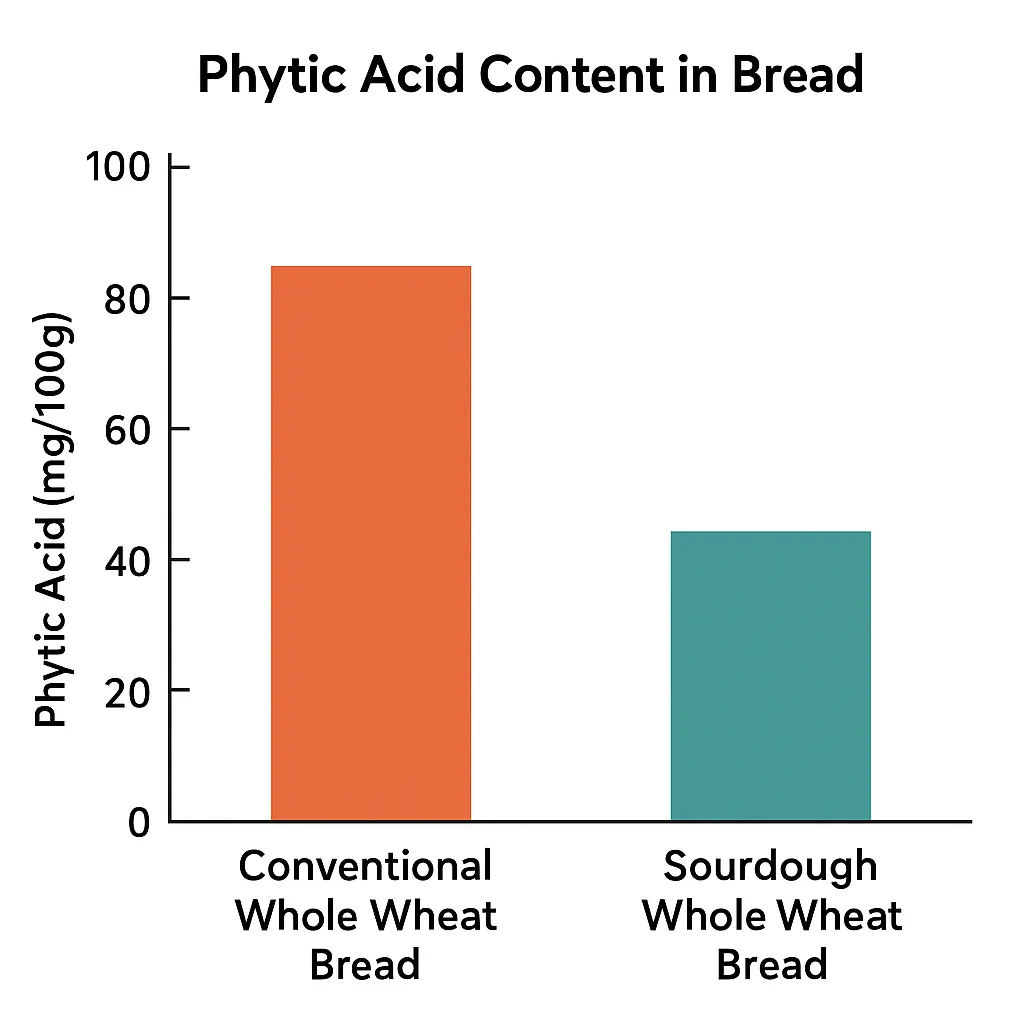
First, sourdough is often easier to digest. The long, slow fermentation process helps break down gluten into smaller, more digestible components. For some individuals with non-celiac gluten sensitivity, this can make sourdough bread more tolerable. Additionally, the fermentation process reduces levels of phytic acid. Phytic acid can bind to minerals and prevent their absorption. . Source
. Sourdough Bread: A Culinary Tr…
Furthermore, sourdough bread typically has a lower glycemic index (GI) compared to other types of bread. The organic acids produced during fermentation slow down the rate at which starches are digested and absorbed. This results in a more gradual rise in blood sugar levels after consumption. This quality makes sourdough a potentially better option for maintaining stable energy and managing blood sugar. The fermentation also creates prebiotic compounds that can help nourish beneficial bacteria in your gut, contributing to overall digestive health.
In summary, the world of Sourdough Bread: A Global Culinary Journ… is a beautiful example of microbial teamwork. The partnership between wild yeasts and bacteria not only creates a delicious bread with complex flavors but also offers tangible health benefits. By understanding the science behind the starter, we gain a deeper appreciation for this ancient and rewarding baking tradition.
Stop Guessing Your Starter’s Ripeness — Test the pH Instead
For years I fed my starter on a schedule, trusting that “doubled in size” meant it was ready to bake with. Then I’d get a flat loaf or dense crumb, and I’d blame myself instead of realizing my starter was either under-ripe or past peak. The pH of your culture tells you exactly where those microbes are in their lifecycle — something a timer or eyeball can’t.
What works
- You can actually see when your starter has shifted into the acidic range (around pH 3.5–4.5) where fermentation is most active, which removes the guesswork from feeding schedules and bulk fermentation timing.
- The strips are cheap enough to test multiple times per bake day, so you can track how your specific starter behaves in your kitchen’s temperature — invaluable if you move, change seasons, or adjust your feeding ratio.
- They helped me diagnose why one of my starters was sluggish: it was sitting at pH 3.8 (overfermented) instead of the 4.0–4.2 sweet spot, so I adjusted my feeding schedule and it came back to life.
What doesn’t
- The color gradients on the strip are genuinely hard to read in low light or if your eyes are tired — I’ve held them up to the window or my phone flashlight more times than I’d like to admit.
- A low pH reading doesn’t tell you *why* your starter is overfermented (too long between feedings? too warm?) — you still need to use your senses and experience to troubleshoot the root cause.
I almost ditched these after my first batch got inconsistent results, but then I realized I wasn’t waiting long enough for the color to fully develop on the strip. Now they’re one of my most-grabbed tools when something feels off. Grab a pack of Sourdough pH Test Strips.
This post contains affiliate links. As an Amazon Associate, I earn from qualifying purchases at no extra cost to you.