
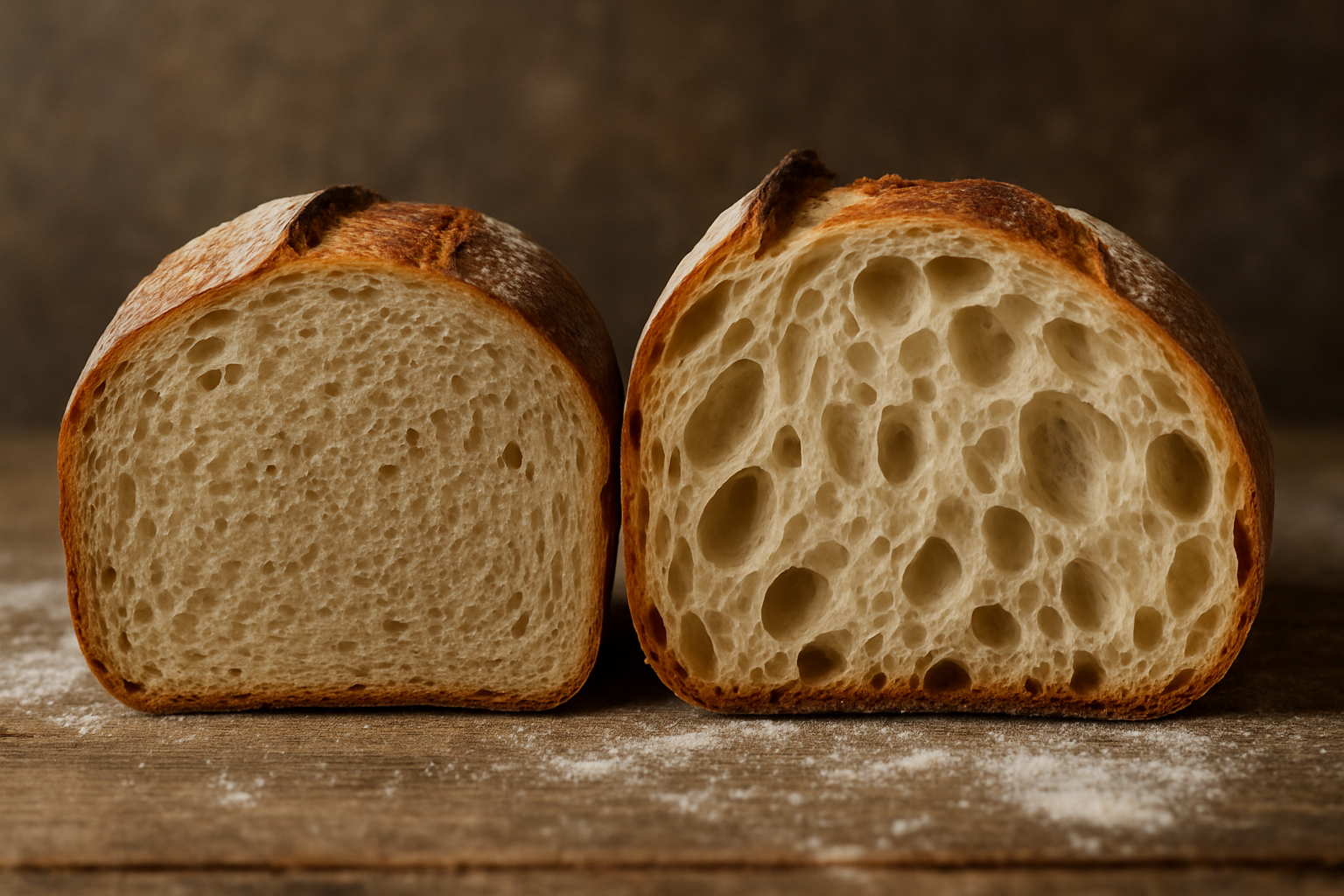
I still remember pulling my very first sourdough loaf out of the Dutch oven, heart pounding with excitement — and then slicing into it to find a dense, gummy brick staring back at me. If you’ve been there, searching desperately for a why is my sourdough dense fix, I want you to know you are absolutely not alone. Dense sourdough is the number one frustration I hear from home bakers, and the good news is that every single cause has a solution. After years of trial, error, and way too many flat loaves, I’ve pinned down the seven most common culprits — and I’m sharing everything I know right here.
This post contains affiliate links. As an Amazon Associate, I earn from qualifying purchases. This means I may earn a small commission if you click through and make a purchase, at no extra cost to you. I only recommend products I genuinely use and love.
Why Is My Sourdough Dense? Fix These 7 Common Mistakes
Before we dive in, I want to reassure you: dense sourdough is almost always a process problem, not a you problem. The variables in sourdough baking are real — temperature, timing, flour, hydration — and learning to read them takes practice. Let’s walk through each cause so you can diagnose exactly what’s happening in your kitchen.
1. Your Starter Wasn’t Ready to Use
This is the big one, and it trips up so many beginners. If your starter isn’t actively bubbly, doubled in size, and domed at its peak, your dough simply won’t have enough gas production to rise properly. I always do the float test — drop a small spoonful into water. If it floats, you’re good to go. If it sinks, give your starter another feeding and wait for it to peak before mixing your dough. Using an under-ripe or over-fermented starter is the single fastest road to a dense loaf.
2. Underproofing During Bulk Fermentation
Bulk fermentation is where most of the magic — and most of the mistakes — happen. Cutting it short means the yeast hasn’t produced enough carbon dioxide to create an open crumb. Your dough should feel noticeably puffy, jiggly, and increased in volume by roughly 50–75% before you move to shaping. In a cool kitchen this can take 8–12 hours. Don’t rush it. I know the anticipation is real, but patience here pays off enormously.
3. Overproofing (Yes, That Causes Density Too)
On the flip side, leaving your dough too long causes the gluten structure to break down and the yeast to exhaust itself. An overproofed dough will feel slack, sticky, and won’t hold its shape during scoring. It often bakes up flat and dense with a gummy crumb. If your dough passes the poke test — pressing a floured finger leaves an indent that springs back slowly — it’s ready. If it doesn’t spring back at all, you’ve gone too far.
4. Weak Gluten Development
Gluten is the scaffolding that traps gas bubbles and gives your loaf structure. Without it, your bread collapses into a dense mass. Regular stretch-and-fold sets during bulk fermentation build strong, elastic gluten without overworking the dough. I aim for four sets of stretch and folds in the first two hours, about 30 minutes apart. You’ll feel the dough tighten and become more cohesive with each set — that’s exactly what you want.
5. Poor Shaping Technique
Shaping isn’t just about aesthetics. A properly shaped loaf creates surface tension that helps it hold its rise and spring dramatically in the oven. If your shaping is loose or you’re deflating the dough as you work, you’re releasing all those precious gas bubbles. Practice a tight pre-shape, let the dough bench rest for 20–30 minutes, then do your final shape with confident, deliberate movements. The dough should feel taut but not torn.
6. Proofing Environment Issues
Too cold and your dough won’t ferment properly. Too warm and it over-ferments fast. The sweet spot for final proofing is typically in the fridge (around 38–40°F) for 8–16 hours, or at room temperature (75–78°F) for 2–4 hours. Cold proofing is my personal preference — it slows fermentation beautifully, makes scoring easier, and develops incredible flavor. Using a proper proofing basket also matters here, since it supports the dough’s shape while it rests.
7. Oven Temperature and Steam Problems
Even perfectly fermented dough can bake up dense without the right oven conditions. You need high heat (450–500°F) and steam in the first 20 minutes. Steam keeps the crust soft long enough for oven spring to happen. I bake in a preheated Dutch oven — lid on for the first 20 minutes, lid off for the remaining 20–25. That trapped steam is a total game-changer. If you’re skipping this step, it’s worth trying immediately.
Tools and Resources I Recommend
Fixing a dense loaf is so much easier when you have the right knowledge and tools in your corner. Here’s what I personally reach for again and again.
For deepening your understanding of the entire process, I can’t recommend The Sourdough Bible: The Ultimate Resource for Great Bread at Home enough. It’s the most comprehensive guide I’ve come across, covering everything from starter science to advanced shaping techniques. If you want to truly understand why your bread behaves the way it does, this is your book.
Another one I keep on my counter is The Sourdough Whisperer: The Secrets to No-Fail Baking with Epic Results. The author has an incredible gift for making sourdough feel approachable, and the troubleshooting sections are gold. It completely changed how I think about fermentation timing.
If you’re more of a visual, at-a-glance learner, the Sourdough Bread Baking Quick Reference Guide is a fantastic beginner-friendly cheat sheet. It lays out timelines, ratios, and key steps in a clear, easy-to-follow format — great to hang in your kitchen so you always have a quick reference while your hands are covered in dough.
For proofing, good basket liners make a real difference in how your dough releases and holds its shape. I’ve been using the Koackl Bread Proofing Basket Cloth Liners (3-pack, 10-inch round) and love how breathable and reusable they are. If you prefer an oval shape for batards, these Categories Troubleshooting