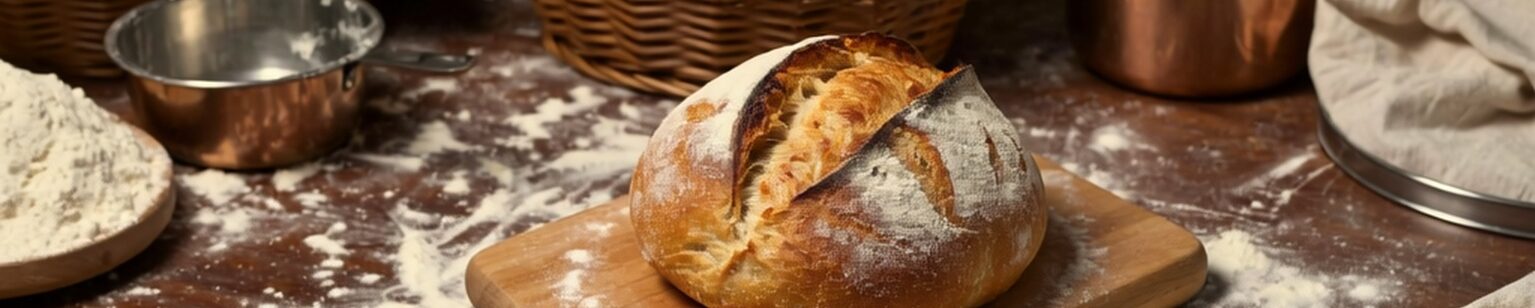
I’ve been building my sourdough baking skills over the last few years. I love exploring different cookbooks and techniques. With my own kitchen and baking tools, I’ve tried many sourdough recipes online. I’ve had fun creating classic loaves and trying new things.
“The Sourdough Bible: [3 in 1] The Most Complete Step-by-Step Guide to Prepare Homemade Sourdough, Delicious Yeast Bread, and Perfect Pastry” caught my attention. I found this comprehensive cookbook while looking for a guide that could take me from failed sourdough attempts to successful loaves. I wanted to share my honest thoughts with you all. The best cookbooks aren’t always the ones with the most advanced techniques. The best ones strike the perfect balance between being too technical and too basic.
I decided to feature this book and my experience with it here on the blog. I’ve been working through this cookbook for a while. I’ve tested recipes and learned what works (and what doesn’t). I wanted to share my honest thoughts with you all. This review mixes book review, recipe review, and my own baking experience. I hope it starts fun conversations about sourdough baking and cookbooks.
Disclosure: This post contains affiliate links. If you click through and make a purchase, we may earn a commission at no additional cost to you. This helps support our blog and allows us to continue providing free sourdough content.
The Honest Truth About This Cookbook
Let me start with what you need to know: this book strikes the perfect balance between being too technical and too basic. If you’ve bought bread books before and found them either overwhelming with technical jargon or frustratingly simplistic, this one is different.
One reviewer shared their experience: “I’ve bought more bread books and most of them are either too technical or way too basic. The Sourdough Bible strikes the perfect balance. It walks you through each step like you have a baking coach in your kitchen. That is exactly what I needed after a dozen failed sourdough attempts.”
That’s exactly what makes this book special. It’s like having a baking coach right there with you. The step-by-step guidance is clear and practical. It doesn’t overwhelm you with science. It doesn’t oversimplify to the point of being unhelpful. The hydration tips and kneading methods made a noticeable difference in my loaves. My sourdough starter finally stayed alive longer than a week. That felt like a miracle after so many failed attempts.
If you’re tired of bread bricks and pastry fails, this comprehensive guide covers sourdough, yeast bread, and pastry. All in one book. I know this isn’t standard blog content. I’m not sure how this review will turn out. But with reading cookbooks and baking, half the fun is diving in to see where you go. I hope this review connects with some of you. If it doesn’t, I hope you enjoy the change in your sourdough reading.
Recipes I’ve Tested (And My Honest Thoughts)
I’ve been working my way through this cookbook. I wanted to share my experiences with the recipes I’ve tried so far. I won’t be sharing the author’s “secrets” on how to use ingredients. That doesn’t feel right to me. It’s also not important for this review. I will talk about the recipes throughout my discussions. I’ll share what worked for me.
The book is a comprehensive 3-in-1 guide. It covers sourdough bread, yeast bread, and pastry. This makes it a valuable resource for anyone looking to expand their baking collection.
Basic Sourdough Loaf
The Foundation: This recipe is where it all starts. The step-by-step guidance walks you through each stage. It’s like you have a baking coach in your kitchen. That is exactly what I needed after my failed attempts.
My Verdict: The hydration tips and kneading methods made a noticeable difference in my loaves. The instructions are clear without being overwhelming. The results speak for themselves. This is the recipe that finally got me consistent results.
Pro Tip: Pay attention to the hydration tips. They really do make a difference. The book explains the why behind the techniques. This helps you understand what you’re doing rather than just following instructions blindly.
Yeast Bread Section
Classic Approach: The yeast bread section provides a solid foundation for traditional bread baking. The recipes are clear. The techniques are well-explained.
My Verdict: While I’m primarily focused on sourdough, having these yeast bread recipes in the same book is incredibly useful. The techniques complement each other. It’s helpful to have both options available.
What I Learned: The kneading methods taught here translate well to sourdough. Understanding both approaches has made me a better baker overall.
Croissants
The Pastry Challenge: I was honestly intimidated by the croissant section at first. Pastry work has always been my weak spot. But the book made it more approachable than I expected.
My Verdict: The croissant section was easier than I expected. The step-by-step instructions break down what can be an intimidating process into manageable steps. The results were impressive. I finally felt confident working with laminated dough.
My Recommendation: Don’t skip this section even if you’re primarily interested in sourdough. The techniques you learn here will improve your overall baking skills.
Starter Maintenance
Keeping It Alive: One of my biggest struggles has been keeping my sourdough starter alive. This book finally helped me understand what I was doing wrong.
My Verdict: My sourdough starter finally stayed alive longer than a week. That’s a miracle in my house! The tips on feeding, storing, and troubleshooting are incredibly valuable.
What I Learned: The book explains not just what to do, but why you’re doing it. This understanding made all the difference in maintaining a healthy, active starter.
Flavoring and Storage
The Practical Details: I appreciated the tips on flavoring and storing the bread. It shows the author really thought about what home bakers need.
My Verdict: These sections are often overlooked in other cookbooks, but they’re essential for home bakers. The flavoring tips helped me experiment with different variations. The storage advice kept my bread fresh longer.
My Recommendation: Don’t skip these sections. They’re packed with practical advice that will make your baking more successful and your bread more enjoyable.
Why This Book Stands Out
What sets “The Sourdough Bible” apart is its comprehensive approach. It’s not just a sourdough book. It covers sourdough, yeast bread, and pastry in one volume. This makes it incredibly valuable for anyone looking to expand their baking skills.
The step-by-step guidance is like having a baking coach in your kitchen. Each recipe walks you through the process clearly. It explains not just what to do, but why you’re doing it. This understanding is what transforms failed attempts into successful loaves.
The book strikes the perfect balance between being too technical and too basic. It’s detailed enough to be helpful. It’s not so overwhelming that you feel lost. The hydration tips and kneading methods are practical and effective. The results speak for themselves.
Most importantly, this book addresses the real struggles home bakers face. Whether it’s keeping a starter alive, understanding hydration, or mastering pastry techniques, the author has clearly thought about what home bakers need. They provide practical, actionable advice.
Final Thoughts
This book has become an invaluable resource in my kitchen. If you’re tired of bread bricks and pastry fails, “The Sourdough Bible” is the comprehensive guide you need. It walks you through each step like you have a baking coach in your kitchen. That is exactly what I needed after my failed attempts.
Whether you’re struggling with sourdough starter maintenance, looking to improve your hydration understanding, or wanting to tackle pastry for the first time, this book has something for you. The 3-in-1 approach makes it an excellent value. The step-by-step guidance will help you achieve consistent results.
Highly recommend if you’re looking for a cookbook that strikes the perfect balance. Not too technical, not too basic, but just right for home bakers who want to succeed.
A high-quality glass container is essential for maintaining your sourdough starter, allowing you to monitor its activity and health while keeping it fresh. Sourdough Starter Container Glass. This complete starter jar kit provides everything you need to begin your sourdough journey, including a wide-mouth jar and helpful accessories. Sourdough Starter Jar Kit. Monitoring temperature is crucial for sourdough success, and a reliable thermometer helps you maintain the ideal conditions for your starter. Sourdough Starter Thermometer. A dedicated warmer mat ensures your starter stays at the perfect temperature, especially important in cooler environments. Sourdough Starter Warmer Mat. Precise measurements are key to consistent sourdough results, and a digital kitchen scale ensures accuracy in every recipe. Digital Kitchen Scale. Testing pH levels helps you understand your starter’s health and activity, giving you insights into its fermentation process. Sourdough pH Test Strips. An established starter culture from around the world can jumpstart your sourdough baking with unique flavor profiles. Sourdough Starter Culture International. Wide-mouth glass jars with secure lids are perfect for storing and feeding your sourdough starter while keeping it visible. Glass Storage Jars with Lids. A cast iron Dutch oven creates the perfect steam environment for achieving that coveted crispy, golden sourdough crust. Dutch Oven Cast Iron Sourdough. A banneton proofing basket helps your dough maintain its shape during the final rise while creating beautiful patterns on your loaf. Sourdough Banneton Proofing Basket. A scoring lame with sharp blades allows you to create beautiful decorative patterns and control how your bread expands during baking. Scoring Lame with Blades. A bench scraper is an essential tool for handling sticky dough, dividing portions, and cleaning your work surface. Bench Scraper Dough Cutter. High-quality parchment paper prevents sticking and makes transferring your dough to the oven effortless. Parchment Paper Baking Sheets. A sturdy cooling rack allows air to circulate around your freshly baked bread, preventing a soggy bottom and ensuring even cooling. Wire Cooling Rack Stainless Steel. A baking stone or steel provides consistent heat distribution, helping you achieve professional-quality sourdough with a perfect crust. Baking Stone Pizza Steel. A comprehensive sourdough cookbook provides detailed recipes, troubleshooting tips, and techniques to elevate your baking skills. Sourdough Bread Cookbook. This artisan baking guide offers advanced techniques and recipes for creating bakery-quality sourdough at home. Artisan Sourdough Baking Book. A detailed starter guide helps you understand the science behind sourdough and troubleshoot common issues. Sourdough Starter Guide. Professional bread baking books offer insights from master bakers, helping you refine your technique and expand your repertoire. Professional Bread Baking Book. Understanding the science behind sourdough fermentation helps you make informed decisions about feeding schedules and temperature control. Sourdough Science Book. A techniques book provides step-by-step instructions and visual guides for mastering various bread-making methods. Bread Making Techniques Book. A troubleshooting guide helps you identify and fix common sourdough problems, from weak starters to dense loaves. Sourdough Troubleshooting Guide.
As an Amazon Associate, I earn from qualifying purchases.
I also have this cookbook. At first I thought it strange that the book wasn’t entirely dedicated to sourdough, considering the title, but I’ve enjoyed trying the yeasted breads and pastries!