Introduction: More Than Just Flour and Water, It’s a Living History
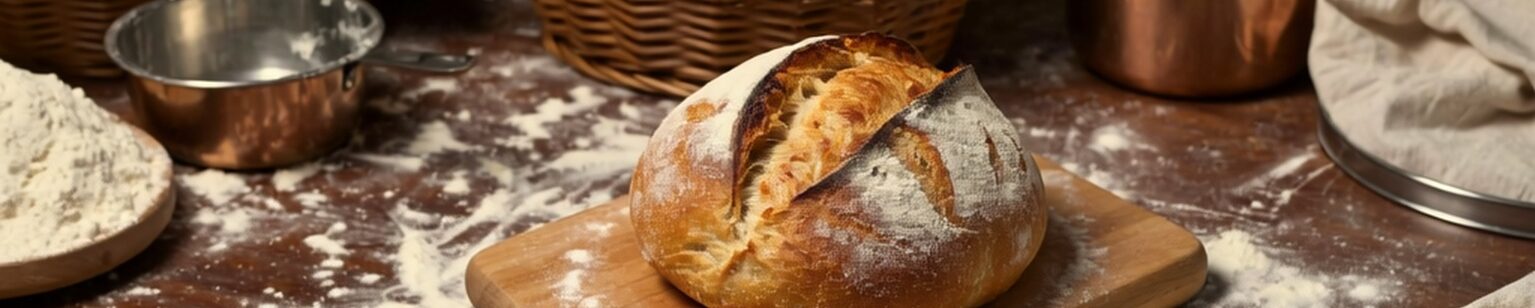
In the quiet corners of our kitchens, a simple jar of flour and water can hold a universe. This is the magic of sourdough: a bubbling, living colony of wild yeast and bacteria that transforms basic ingredients into bread with profound flavor, texture, and history. Each sourdough starter is a living artifact, capturing a piece of culinary heritage passed down through generations.
But what if your next loaf of bread could transport you to the foggy streets of San Francisco, a rustic German bakery, or an ancient Ethiopian kitchen? It can. By exploring the diverse world of heirloom sourdough cultures, you’re not just baking—you’re embarking on a journey.
In this guide, we’ll take a global tour of the world’s most unique sourdough starters. You’ll discover the ancient origins and distinct flavors that make each one special, and learn how you can become a curator of these living histories right in your own home.
The ‘Terroir’ of Sourdough: What Makes Each Starter Unique?
Just like wine grapes are influenced by the soil and climate—their terroir—a sourdough starter is a direct reflection of its environment. It’s a complex ecosystem shaped by geography, flour, and time.
The Microbial Fingerprint
How Geography Shapes Flavor
Why Heritage Matters
A Global Tour of Ancient and Heirloom Sourdough Starters
Ready your passport! Let’s explore some of the most fascinating and historically significant sourdough starters from around the globe.
North America: The Legacy of the Gold Rush
- San Francisco Sourdough: This is arguably the world’s most famous starter. Its iconic, sharp tang comes from a unique bacterium, Fructilactobacillus sanfranciscensis (formerly Lactobacillus sanfranciscensis), which thrives in the cool, foggy climate of the Bay Area. This starter is a piece of Gold Rush history, carried by prospectors who valued its ability to leaven bread without commercial yeast.
- Yukon & Alaskan Starters: Born from the Klondike Gold Rush, these starters are legends of survival. Kept alive by miners in harsh, freezing conditions, these cultures are known for their incredible resilience and vigorous activity, often producing a milder but deeply flavorful bread fit for a rugged frontier.
Europe: The Cradle of Sourdough Tradition
- French Levain: The soul of Pain de Campagne (country bread), French levain is typically milder and more complex than its San Franciscan cousin. It prioritizes a gentle, nuanced flavor that complements the wheat, often with a creamy, yogurty aroma and a subtle, balanced acidity.
- German Sauerteig: Germany’s bread culture is built on rye, and the Sauerteig is its foundation. This robust rye starter is powerful and deeply acidic, necessary to tame the dense, gummy nature of rye flour. It’s the heart of heavy, flavorful breads like Bauernbrot (farmer’s bread) and Pumpernickel.
- Italian Lievito Madre: A truly unique culture, Lievito Madre (mother yeast) is a stiff, low-hydration starter that looks more like a ball of dough than a liquid starter. It’s meticulously maintained to be less acidic and more yeast-forward, making it the perfect leavening for sweet, enriched doughs like Panettone and Pandoro, where a tangy flavor is undesirable.
- Russian Zakvaska: This potent rye starter is the key to the legendary Borodinsky bread. Zakvaska is cultivated for a deep, complex flavor profile that stands up to the dark rye flour and molasses typical of this iconic Russian loaf.
- Finnish Ruisleipäjuuri: A cornerstone of Finnish culture, this rye starter (leivänjuuri means “bread root”) has been passed down for centuries. It’s used to make ruisleipä, the iconic dense, dark, and wonderfully sour Finnish rye bread, often baked into rings that were traditionally hung on poles to dry.
Middle East & Africa: Ancient Grains, Timeless Traditions
- Ancient Egyptian Starter: While you can’t acquire a starter direct from a pharaoh’s tomb, modern bakers have recreated starters using ancient grains like emmer and einkorn. This connects us to the very origins of leavened bread, believed to have been discovered by accident in ancient Egypt.
- Ethiopian Teff Starter: The beloved Ethiopian flatbread, Injera, is made from a starter fed with teff, a tiny, nutrient-rich ancient grain. This culture creates a uniquely sour and spongy bread that doubles as an edible utensil for scooping up flavorful stews.
Asia & Oceania: Unique Sourdough Starter Characteristics
- Australian ‘Down Under’ Starter: Australia’s unique and isolated ecosystem has a distinct microbial environment. Bakers have cultivated starters here that exhibit unique flavor profiles, reflecting the local wild yeasts and bacteria found nowhere else on earth, creating a truly Australian sourdough ‘terroir’.
Your Global Pantry: How to Acquire International Sourdough Starters
Building a collection of global starters is easier than you think.
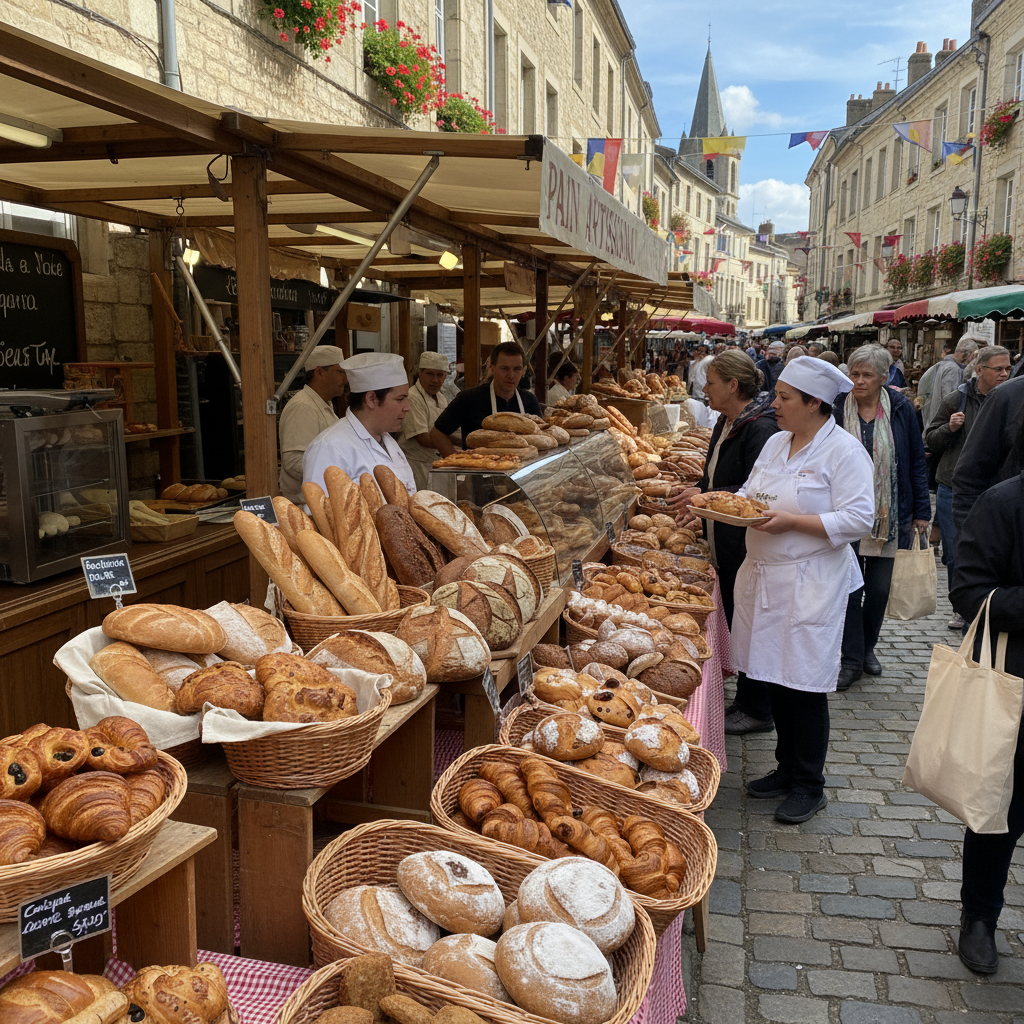
- Buying authentic international sourdough starters: Many reputable online vendors specialize in selling and shipping heirloom cultures. Look for sellers who provide the starter’s history and clear instructions for rehydration and care.
- Dehydrated vs. Live Cultures: Dehydrated flakes are easier and safer to ship internationally and can be stored for long periods before activation. Live starters arrive ready to feed but are more fragile and require immediate attention. For beginners, dehydrated is often the safer bet.
- The Joy of Sharing: The sourdough community is built on sharing! Websites like Reddit’s r/Sourdough and dedicated Facebook groups often have threads where bakers from around the world offer to share or swap their precious local starters for the cost of postage.
- The Traveler’s Guide: Bringing a starter home from your travels? The best way is to dehydrate it. Spread a thin layer of active starter on parchment paper, let it dry completely until brittle, and then break it into flakes. It’s lightweight, stable, and easy to pack. (Always check local customs regulations regarding bringing organic materials into your country).
A World of Care: Maintaining Diverse Sourdough Starters at Home
Each starter is a living guest in your kitchen with its own personality and dietary needs.
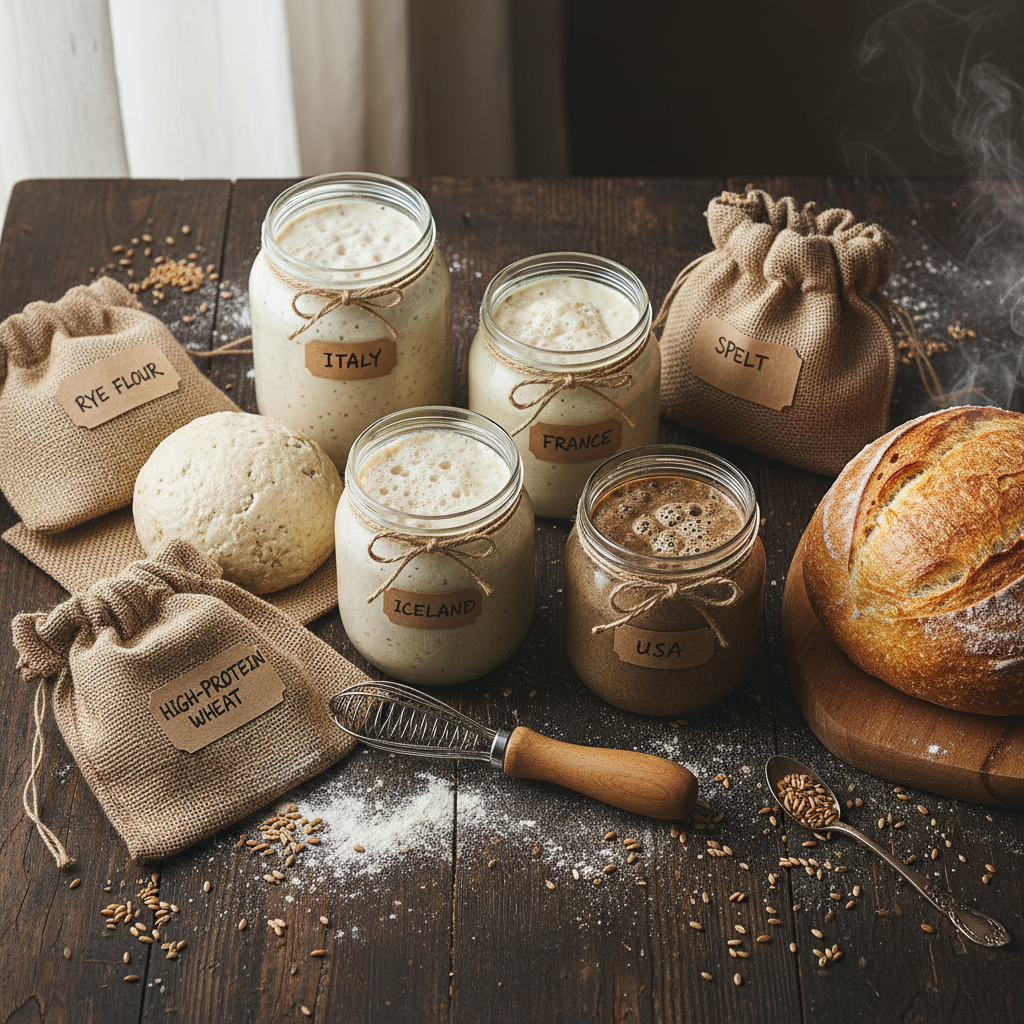
- Feeding Your Starter Its Native Diet: To maintain a starter’s unique character, try to feed it the flour it was raised on. A German rye starter will thrive on whole rye flour, while a Lievito Madre needs a strong, Italian-style “00” or high-protein bread flour.
- Managing Different Hydrations: You’ll need different techniques for different starters. A liquid rye starter is simply stirred, but a stiff Lievito Madre needs to be kneaded with each feeding and is sometimes washed or bound in cloth to control its development.
- Creating a Feeding Schedule for a Multi-Starter Collection: Keeping multiple starters can feel like running a small zoo. Label everything clearly! Many bakers keep their collection in the refrigerator and pull out only the one they plan to bake with, feeding it 2-3 times at room temperature to bring it to full strength.
- Long-Term Preservation: If you need a break, dehydration is your best friend. A properly dried starter can be stored in an airtight container in the freezer for years, ready to be revived when your next baking adventure calls.
Here’s a quick reference for caring for different starter types:
| Starter Type | Typical Flour | Hydration | Key Care Characteristic |
|---|---|---|---|
| San Francisco | Bread/All-Purpose | 100% (Liquid) | Prefers moderate temperatures (70-75°F / 21-24°C). |
| German Sauerteig | Whole Rye | 100-150% (Liquid/Paste) | Ferments very quickly, loves warmth, highly acidic. |
| Italian Lievito Madre | Strong Bread Flour | ~50% (Stiff Ball) | Requires kneading; often “bound” in cloth to slow fermentation. |
| Russian/Finnish Rye | Dark/Whole Rye | 100%+ (Liquid/Paste) | Extremely active, needs consistent feedings to maintain health. |
Baking with Global Flavors: Traditional Sourdough Recipes
Once your starter is bubbly and active, it’s time to bake!
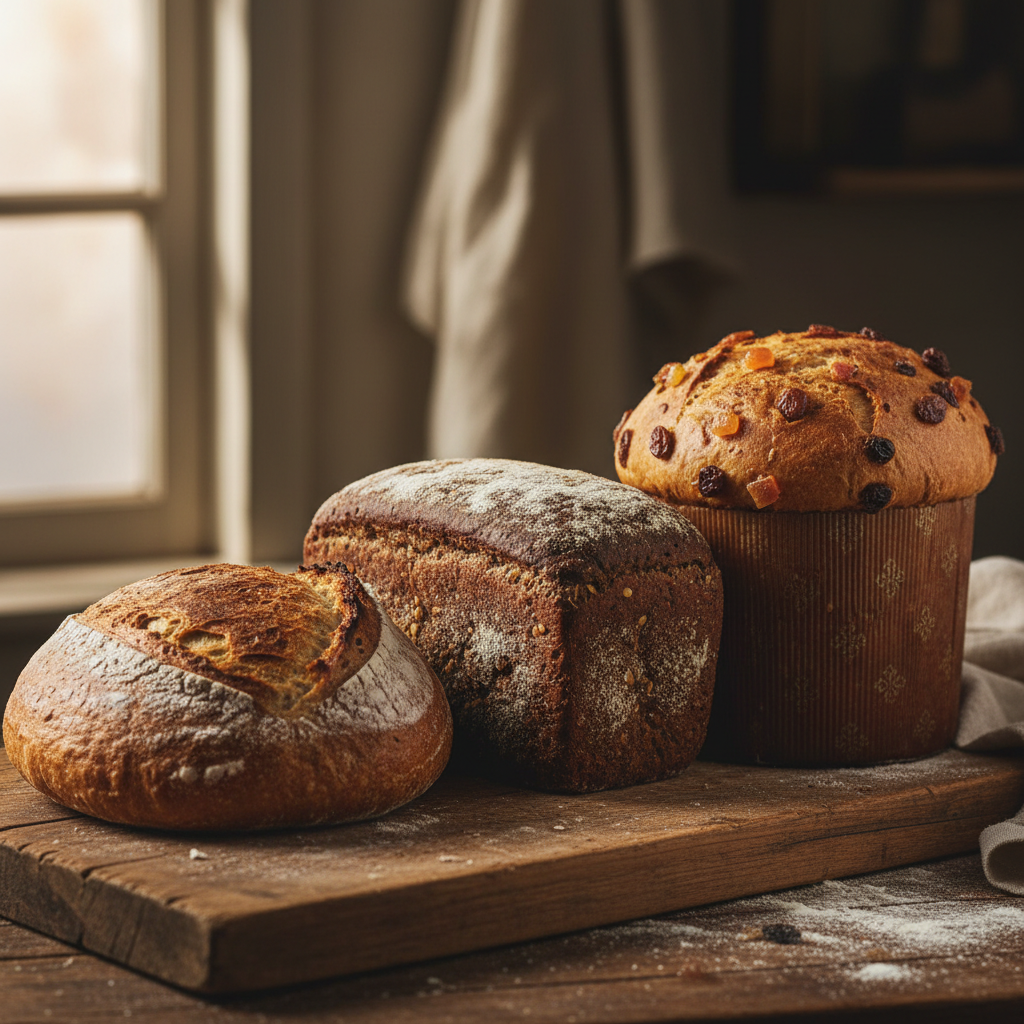
- A Classic San Francisco Loaf: Use your tangy Gold Rush starter to create a loaf with a blistered, crunchy crust, a chewy, open crumb, and that world-famous sour flavor. A long, cold fermentation in the refrigerator will amplify the tang.
- Rustic German Farmer’s Bread (Bauernbrot) using a hearty rye starter: This dense, moist, and incredibly flavorful loaf is a true taste of Germany. The power of your Sauerteig is essential for leavening the heavy rye dough and developing its characteristic earthy taste.
- A Sweet Italian Christmas with Panettone made from Lievito Madre: This is a true baker’s challenge, but the reward is immense. Your mild, strong Lievito Madre provides the power to lift a dough enriched with eggs, butter, sugar, and fruit over a multi-day process, resulting in a tall, fluffy, and fragrant sweet bread unlike any other.
Conclusion: Make Your Kitchen a Global Baking Embassy
From the sharp tang of the California coast to the sweet perfume of an Italian holiday, a world of flavor is waiting to be unlocked in a simple jar of starter. When you cultivate an heirloom starter, you become more than a baker—you become a curator, a steward of a living culinary artifact. You are preserving a piece of history and connecting with a long line of bakers who have nourished this very same culture for generations.
Your kitchen can be a global embassy of flavor, a place where traditions from around the world meet your own two hands. The journey is endlessly rewarding, and every loaf tells a story.
Which global sourdough starter will you try first? Share your dream bake or your own sourdough journey in the comments below!
A high-quality glass container is essential for maintaining your sourdough starter, allowing you to monitor its activity and health while keeping it fresh. Sourdough Starter Container Glass. This complete starter jar kit provides everything you need to begin your sourdough journey, including a wide-mouth jar and helpful accessories. Sourdough Starter Jar Kit. Monitoring temperature is crucial for sourdough success, and a reliable thermometer helps you maintain the ideal conditions for your starter. Sourdough Starter Thermometer. A dedicated warmer mat ensures your starter stays at the perfect temperature, especially important in cooler environments. Sourdough Starter Warmer Mat. Precise measurements are key to consistent sourdough results, and a digital kitchen scale ensures accuracy in every recipe. Digital Kitchen Scale. Testing pH levels helps you understand your starter’s health and activity, giving you insights into its fermentation process. Sourdough pH Test Strips. An established starter culture from around the world can jumpstart your sourdough baking with unique flavor profiles. Sourdough Starter Culture International. Wide-mouth glass jars with secure lids are perfect for storing and feeding your sourdough starter while keeping it visible. Glass Storage Jars with Lids. A cast iron Dutch oven creates the perfect steam environment for achieving that coveted crispy, golden sourdough crust. Dutch Oven Cast Iron Sourdough. A banneton proofing basket helps your dough maintain its shape during the final rise while creating beautiful patterns on your loaf. Sourdough Banneton Proofing Basket. A scoring lame with sharp blades allows you to create beautiful decorative patterns and control how your bread expands during baking. Scoring Lame with Blades. A bench scraper is an essential tool for handling sticky dough, dividing portions, and cleaning your work surface. Bench Scraper Dough Cutter. High-quality parchment paper prevents sticking and makes transferring your dough to the oven effortless. Parchment Paper Baking Sheets. A sturdy cooling rack allows air to circulate around your freshly baked bread, preventing a soggy bottom and ensuring even cooling. Wire Cooling Rack Stainless Steel. A baking stone or steel provides consistent heat distribution, helping you achieve professional-quality sourdough with a perfect crust. Baking Stone Pizza Steel. A comprehensive sourdough cookbook provides detailed recipes, troubleshooting tips, and techniques to elevate your baking skills. Sourdough Bread Cookbook. This artisan baking guide offers advanced techniques and recipes for creating bakery-quality sourdough at home. Artisan Sourdough Baking Book. A detailed starter guide helps you understand the science behind sourdough and troubleshoot common issues. Sourdough Starter Guide. Professional bread baking books offer insights from master bakers, helping you refine your technique and expand your repertoire. Professional Bread Baking Book. Understanding the science behind sourdough fermentation helps you make informed decisions about feeding schedules and temperature control. Sourdough Science Book. A techniques book provides step-by-step instructions and visual guides for mastering various bread-making methods. Bread Making Techniques Book. A troubleshooting guide helps you identify and fix common sourdough problems, from weak starters to dense loaves. Sourdough Troubleshooting Guide.
As an Amazon Associate, I earn from qualifying purchases.