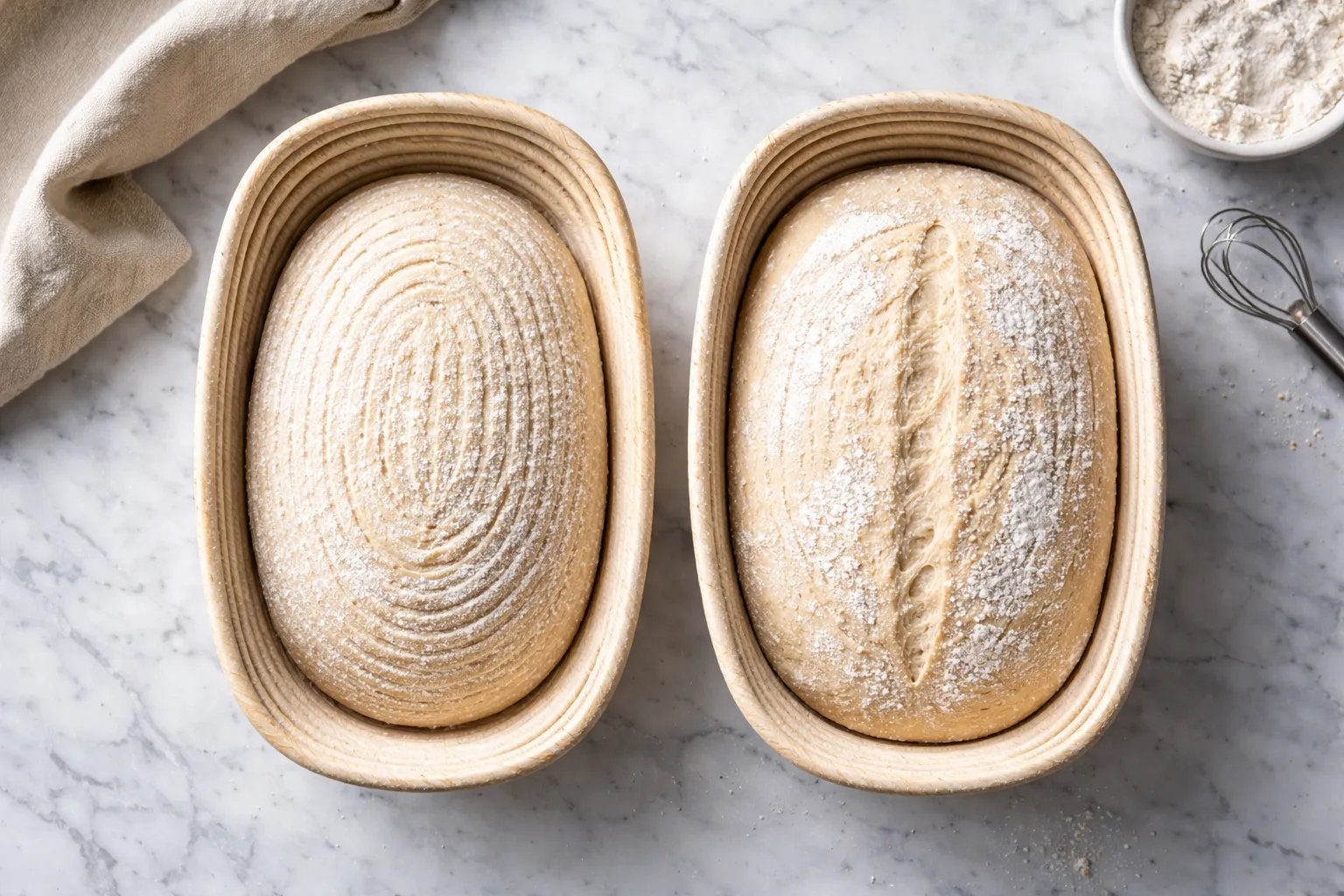
Cold Proof vs Room Temperature Proof: I Did 12 Side-by-Side Bakes to Find Out Which Is Better

It was 6 a.m. on a Tuesday, I had just pulled what I thought was my best loaf ever out of the fridge, and I dropped it on the floor. Flour side down. On the dog’s water bowl. I stood there in my pajamas, staring at a sad, wet, unscored mound of dough slowly absorbing Labrador backwash, and I thought: this is what I get for spending three weeks obsessing over cold proof vs room temperature sourdough like it was a doctoral thesis.

But here is the thing. That disaster loaf? It still baked up beautifully. And the experiment it was part of taught me more about proofing sourdough than anything else I have ever done in my kitchen. So let me back up.

This post contains affiliate links. As an Amazon Associate, I earn from qualifying purchases.

Why I Turned My Kitchen Into a Sourdough Lab

I have been baking sourdough for about four years now, and for most of that time I just did whatever the recipe said without questioning it. Cold proof? Sure. Room temperature proof? Okay, fine. But I kept getting inconsistent results and I could never figure out if it was my shaping, my starter, my oven, or my proofing method. My husband very lovingly suggested I “stop making bread your whole personality,” and I responded by designing a 12-loaf side-by-side experiment. Healthy.

Over three weekends, I baked six pairs of loaves using the same dough recipe, the same starter at the same hydration level, shaped the same way on the same day. The only variable was the final proof: cold (in the fridge at around 38 to 40 degrees Fahrenheit overnight) versus room temperature (on the counter for two to four hours at roughly 72 degrees). I kept notes. I took photos. I made a spreadsheet. My dog kept a respectful distance.

What You’ll Need for Side-by-Side Proofing Tests (Or Just Great Everyday Baking)

Before I get into the results, here is what I used throughout this experiment. Spoiler: having good proofing baskets and proper covers made a bigger difference than I expected.

For baskets, I rotated between a few options. The Saint Germain Bakery Premium Round Bread Banneton Basket with Liner is my personal favorite for everyday baking. The rattan is tight and even, which gives you those gorgeous spiral rings on the finished crust. I also used the Banneton Bread Proofing Basket Set of 2 with 4 Linen Liners, which was great for running two loaves simultaneously since you get a pair right out of the box. And the Superbaking 2 pcs Banneton Bread Proofing Basket Set earned serious points for being splinter-free, which matters more than you think when you are handling dough with slightly damp hands at midnight.

For covering the baskets during proofing, I moved away from plastic wrap this experiment and tried beeswax covers instead. The Revahope 5-Size Reusable Beeswax Bowl Covers stretched snugly over my bannetons and kept the dough surface from drying out, which is a real issue with long cold proofs. I also tested the KEHHVCY 4PCS Reusable Beeswax Bowl Covers, which have a satisfying elastic edge that really grips the basket. Both were easy to wash and I will not go back to plastic wrap. Reducing waste while baking better bread feels like a win.

Cold Proof vs Room Temperature Sourdough: What 12 Loaves Actually Taught Me

Here is the honest breakdown of what I found across all six pairs.

Oven Spring and Crust

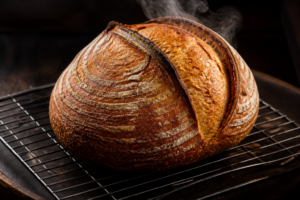
The cold proofed loaves won this category almost every single time. Chilling the dough overnight firms up the structure so that when the cold dough hits the screaming hot Dutch oven, the temperature contrast creates an explosive oven spring. The crust also developed a deeper mahogany color and a more dramatic ear when scored. Room temperature loaves were lovely, but they tended to spread just slightly more and had a more modest rise in the oven.

Crumb Structure and Flavor

This is where it gets interesting. The room temperature loaves had an open, airy crumb that was wonderful for the first day, but the cold proofed loaves had noticeably more complex, tangy flavor because the long cold ferment gives the acids more time to develop. By day two, the cold proof loaves tasted richer and more interesting. If you are a flavor-first person, cold proofing is your best friend. If you want to bake and eat on the same day, room temperature works beautifully.

Scoring

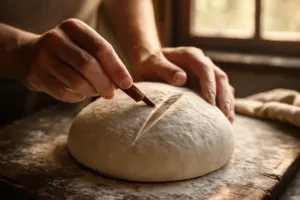
Cold proofed dough scores like a dream. Firm, cold dough holds its shape under the blade and you get clean, confident cuts. Room temperature dough, especially on warmer days, can drag and stick. This difference alone converted me to cold proofing as my default. Fewer mangled ears and more satisfying slashes.

When Room Temperature Actually Wins

Here is the nuance I was not expecting. During my summer bakes, when my kitchen was sitting at 78 degrees, the room temperature proofed loaves started overproofing before I was ready for them. Cold proofing gave me control and flexibility I did not have otherwise. But in winter, when my kitchen drops to 65 degrees, a shorter room temperature proof actually produced a more predictable result without the risk of under-proofing from a fridge that runs slightly too cold. Temperature matters enormously, and there is no single right answer that works in every kitchen year-round.

My personal cheat sheet after 12 loaves:

  • Cold proof (8 to 16 hours in the fridge): better crust, better flavor, easier scoring, great for busy schedules
  • Room temperature proof (2 to 4 hours at 70 to 75 degrees): faster turnaround, open crumb, ideal when you want same-day bread
  • Warm kitchen above 76 degrees: cold proof is strongly recommended to avoid overproofing
  • Cool kitchen below 68 degrees: room temperature proof can work well, just watch the dough rather than the clock
  • In both cases: cover your dough properly to prevent skin forming on the surface

The Floor Loaf and the Happy Ending

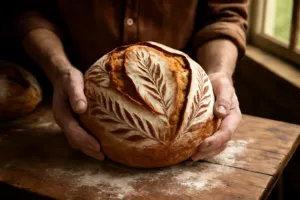
Back to that Tuesday morning. After I peeled my cold-proofed dough off the floor, I rinsed it under cold water (I know, I know), reshaped it as best I could, let it rest for twenty minutes, and baked it anyway. I fully expected a dense, gummy disaster. Instead it came out with a crackly crust, a reasonably open crumb, and honestly pretty decent oven spring. My husband took a bite and said it was one of the better loaves I had made. I chose not to tell him about the floor.

The point is that sourdough is more forgiving than we give it credit for, and the cold proof vs room temperature sourdough debate does not have to be stressful. Both methods work. Both produce wonderful bread. Learning which one suits your schedule, your kitchen temperature, and your goals is just part of the fun of becoming a better baker.

So grab your banneton, set up your experiment, and see what your own kitchen tells you. The bread will be good either way. Even if it briefly visits the floor.