Understanding Sourdough Scoring Fundamentals
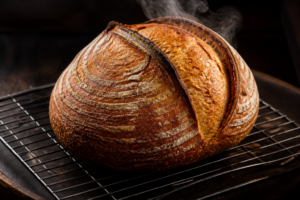
Scoring sourdough bread transforms simple loaves into stunning artworks. The practice involves making deliberate cuts in the dough’s surface before baking. These cuts serve both functional and aesthetic purposes. Moreover, they control how the bread expands during baking, creating distinctive patterns that showcase your skill.
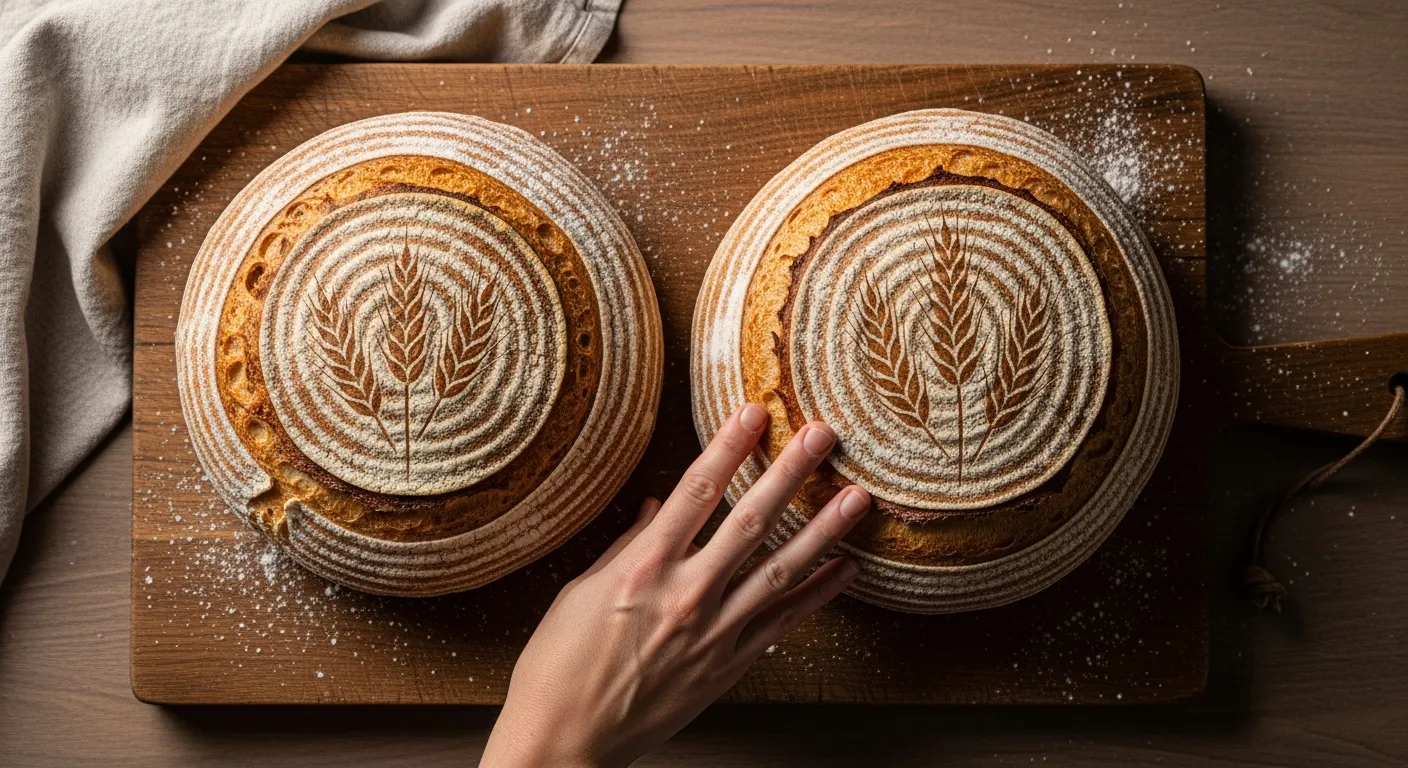
The cuts you make guide the bread’s expansion in the oven. Source Without proper scoring, your loaf might burst unpredictably at weak points. However, strategic cuts direct the oven spring exactly where you want it. This technique creates the signature “ear” that many bakers prize.
If you’re ready to elevate your sourdough scoring game, having the right tools makes all the difference in achieving those beautiful patterns and perfect oven spring. Starting with sharp, reliable bag refills ensures you’ll always have fresh blades ready for clean, precise cuts that won’t drag or tear your carefully proofed dough. For those who want guidance on creating stunning designs, this book comes with a scoring pattern booklet that provides inspiration and instruction for everything from simple slashes to complex wheat stalk patterns. The innovative Bread Lame, Folding design offers portability with a belt clip, making it perfect for bakers who want a professional tool that travels easily between kitchen and workspace. Before you even get to scoring, mixing your dough properly is crucial, which is why the TEEVEA Danish Dough whisk helps incorporate ingredients without overworking the gluten, resulting in better dough structure for more dramatic scoring results. The versatile SURDOCA Dough Scraper set helps you handle sticky dough with confidence during shaping, ensuring your loaf maintains its structure right up until scoring time. Proper proofing is essential for scoring success, and the Dimpola Banneton Bread baskets create the ideal environment for your dough to develop that taut skin that scores so beautifully and cleanly. For bakers working with baguettes or multiple loaves, the Saint Germain Bakery proofing cloth provides an authentic professional surface that absorbs just the right amount of moisture for optimal crust development and easier scoring. Maintaining a healthy sourdough starter is the foundation of great bread, and these pack of glass jars with wide mouths make feeding and monitoring your starter incredibly easy while looking beautiful on your countertop. Finally, having plenty of absorbent pack flour sack towels on hand helps you manage moisture throughout the entire bread-making process, from covering rising dough to handling hot loaves fresh from the oven. With these essential tools in your baking arsenal, you’ll have everything you need to create sourdough loaves with scoring patterns that showcase your developing artistry and technical skill.
*As an Amazon Associate, I earn from qualifying purchases.
The Artistry Behind Every Score
Scoring transforms bread into a canvas for personal expression. Your signature pattern becomes recognizable to friends and family. Moreover, each design reflects your growing confidence and technique. Simple slashes might mark your early attempts. Meanwhile, intricate wheat stalks demonstrate years of practice.
The emotional connection to your loaves deepens through scoring. You’ll remember the first time you achieved a perfect ear. Additionally, seasonal patterns like leaves or snowflakes celebrate special occasions. These visual markers create lasting memories around your baking.
From Home Baker to Artisan
Professional-looking bread starts with deliberate scoring choices. Clean, confident cuts signal expertise and care. Furthermore, consistent depth and angle separate amateur from artisan work. Your local bakery uses these same fundamental techniques.
The psychological impact on those who receive your bread cannot be overstated. A beautifully scored loaf commands respect and admiration. Therefore, people perceive higher value in your creation. However, this perception stems from genuine skill development, not mere decoration.
Essential Tools for Success
Quality scoring tools dramatically accelerate your learning curve. A sharp lame glides through dough effortlessly. In contrast, dull blades tear and drag, ruining your pattern. Consequently, investing in proper equipment saves frustration and wasted loaves.
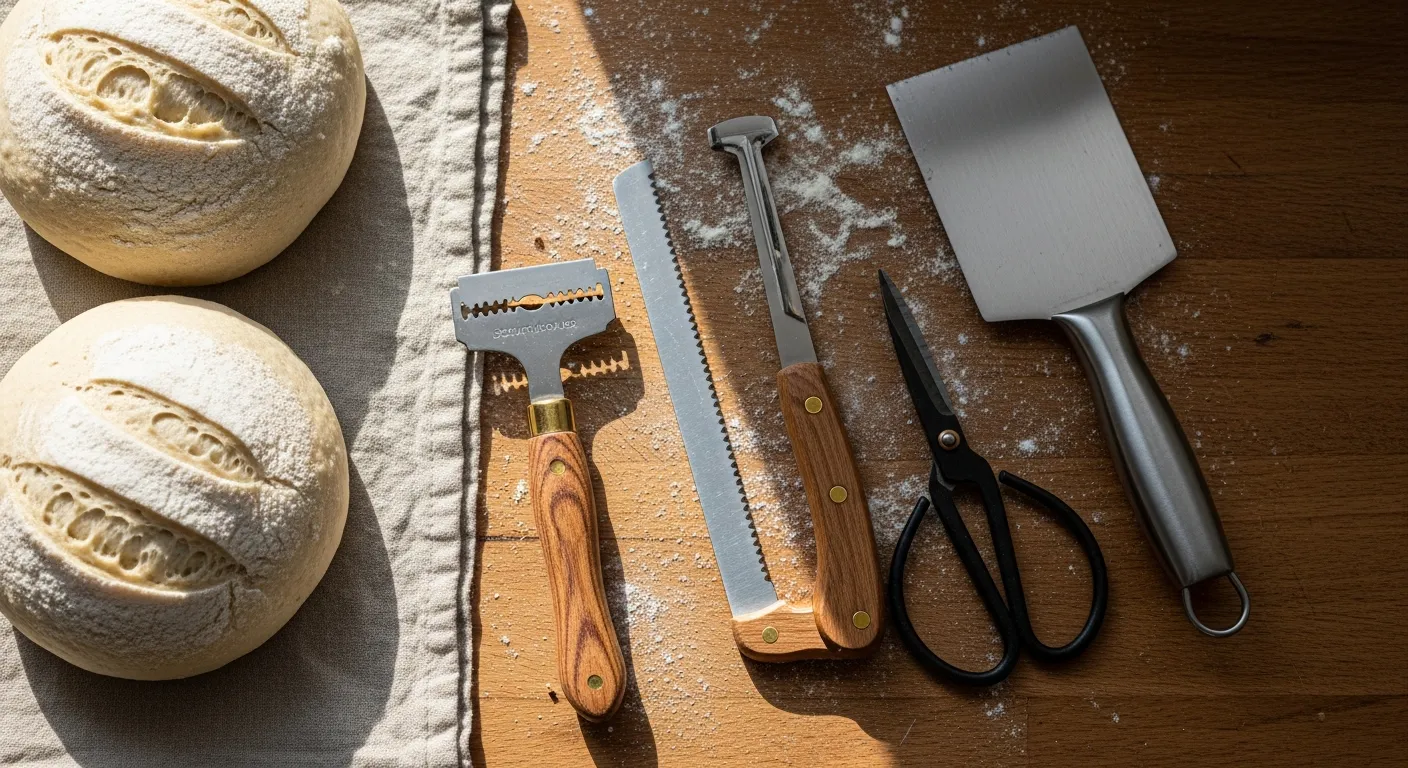
Different tools serve different purposes in your scoring arsenal. Curved blades create dramatic ears on batards. Meanwhile, straight razors work perfectly for geometric designs. Additionally, specialized tools like Danish dough whisks help with preparation steps. For example, a bench scraper aids in shaping before scoring begins.
The right blade angle makes previously impossible patterns achievable. As a result, your repertoire expands naturally with proper equipment.
Essential Scoring Tools for Beginners
Starting your scoring journey requires minimal equipment. A sharp blade forms the foundation of your toolkit. Many bakers begin with a simple razor blade or craft knife. These basic tools deliver excellent results when handled properly.
The bread lame represents the traditional scoring tool. This French implement consists of a handle with a replaceable blade. Additionally, lames come in two main styles: straight and curved. Each style creates different effects on your dough.
Straight lames work perfectly for simple patterns. They excel at creating clean, deep cuts. Consequently, beginners often find them easier to control. The blade moves through the dough in a straightforward motion.

Curved lames offer advanced capabilities. The blade’s arc creates the distinctive ear on your loaf. However, they require more practice to master. The curved design lifts the dough slightly as you cut, producing dramatic results.
Choosing Your First Lame
Your first lame should match your skill level. Straight lames provide stability for learning basic techniques. They cost less than curved options, making them budget-friendly. Plus, you can achieve beautiful patterns with straight cuts alone.
Curved lames become valuable as your skills develop. They enable more complex designs and professional-looking ears. Nevertheless, don’t rush to buy one immediately. Master straight cuts first, then expand your toolkit.
Why Choose a UFO Lame?
The UFO lame—often called a “bread journey” lame—revolutionizes how bakers approach dough design. Unlike handled tools, this device features a circular disc holding the razor. Consequently, your hand sits much closer to the dough’s surface. This proximity provides exceptional tactile feedback. Therefore, it feels less like cutting and more like drawing.
Many artists prefer this grip for high-precision work. Without a long handle acting as a lever, you gain finer motor control. Thus, you can execute tiny, shallow cuts with confidence. It essentially turns the blade into an extension of your fingers.
Mastering Intricate Designs
This specific tool shines when creating detailed artistic patterns. Because there is no long handle, you avoid bumping into the counter or the dough. For example, you can easily execute:
- Delicate wheat stalks
- Intricate leaf veins
- Geometric lattice work
- Fine stencil-style outlines
Moreover, the circular grip allows you to rotate the blade endlessly in your hand. As a result, you never have to contort your wrist awkwardly. This freedom of movement ensures smooth, continuous lines without interruption.
Functional Versatility
While often used for art, the UFO lame is also highly functional. It effectively bridges the gap between straight and curved blades. You can hold it flat for straight expansion cuts. Alternatively, you can tilt the disc to achieve a slight angle.
However, for a massive “ear,” a curved stick lame might still be superior. Thus, professional bakers often pair these tools together. They use a standard lame for the primary score. Then, they switch to the UFO for the decorative flourishes. This combination ensures both volume and beauty.
Safety and Storage Benefits
Beyond performance, the design offers practical safety advantages. Most models allow the blade to retract fully inside the wooden disc. Consequently, you can store it safely in an apron pocket. There is no exposed edge to cause accidental injury.
Furthermore, the compact size takes up minimal space in your baking kit. Changing the blade is also typically straightforward. You simply unscrew the disc, flip the razor, and tighten it back up. Therefore, you always have a fresh, sharp edge ready for baking.
Mastering Basic Scoring Techniques
Proper technique matters more than expensive equipment. Your blade angle determines the cut’s effectiveness. Hold the lame at approximately 30 to 45 degrees to the dough surface. This angle creates the perfect conditions for ear formation.
Depth control prevents dough deflation. Cut about a quarter to half inch deep for most patterns. Deeper cuts risk releasing too much gas from the dough. Conversely, shallow cuts may not open properly during baking.

Speed affects your scoring results significantly. Move confidently and smoothly through each cut. Hesitation creates ragged edges and uneven patterns. Therefore, practice your motion before touching the dough.
Dough consistency influences scoring success. Properly proofed dough accepts cuts cleanly. Overproofed dough may deflate when scored. Meanwhile, underproofed dough resists the blade and tears.
The Single Slash Method
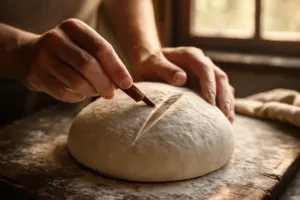
Begin with a simple single slash. This classic cut runs along the loaf’s length. Position your blade at the dough’s highest point. Then, draw it smoothly from one end to the other.
Mastering the single slash requires a deep understanding of blade angles. Consequently, you cannot simply cut straight down into the dough. Instead, hold your lame at a shallow 30 to 45-degree angle relative to the surface. This specific positioning creates a distinct flap of dough. Ultimately, this flap lifts dramatically during baking to form the coveted “ear.”
Furthermore, confidence plays a huge role in this technique. You must move the blade swiftly from end to end. If you hesitate, the blade will drag against the sticky dough. Therefore, commit to the motion before you even touch the surface. A fast, decisive stroke results in a clean, smooth opening.
Why This Pattern Works
Beyond aesthetics, this pattern serves a critical functional purpose. It guides the oven spring in a specific, controlled direction. As a result, the loaf expands upward rather than spreading outward. This controlled expansion ensures a tall, airy crumb structure. Without this guidance, the bread might burst in unexpected places.
Tools and Execution
Generally, this style works best on oval loaves, known as batards. While you can use a straight blade, a curved blade helps significantly. The curve naturally hugs the rounded surface of the shaped dough.
Follow these steps for the perfect cut:
- Start High: Begin the cut near the very top of the loaf.
- Stay Centered: Slice longitudinally down the center line.
- End Low: Finish the stroke near the bottom edge.
Finally, consider the depth of your incision carefully. A cut that is too shallow will heal over quickly. However, cutting too deep might cause the structure to collapse. Aim for a depth of roughly half an inch. This balance allows the steam to escape efficiently. Consequently, your sourdough will achieve that professional artisan look.
Experiment with slash placement for variety. A centered cut creates symmetrical expansion. Off-center slashes produce rustic, organic shapes. Furthermore, angling the slash adds visual interest.
Creating Intricate Decorative Patterns
Advanced patterns showcase your artistic vision. Geometric designs offer modern, striking aesthetics. Consider squares, triangles, or diamond patterns. These shapes create dramatic contrast when the bread bakes.
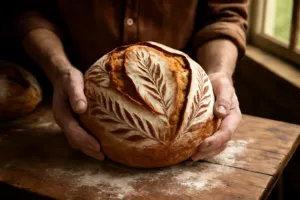
Nature-inspired patterns bring organic beauty to your loaves. Fern leaves represent a popular choice among bakers. The pattern features a central spine with angled cuts branching outward. Moreover, this design looks complex but uses simple techniques.

Wheat stalk patterns honor bread’s agricultural roots. Create a central line with short diagonal cuts on each side. Space the cuts evenly for a realistic appearance. This pattern works beautifully on oval-shaped loaves.
Floral designs add elegance to special occasion breads. Simple flower patterns start with a center point. Radiate curved cuts outward to form petals. Subsequently, you can add leaves or stems for detail.
Planning Your Pattern
Sketch your design before scoring. Visualizing the pattern prevents mistakes. Use a toothpick to lightly mark guidelines on the dough. These marks disappear during baking but guide your cuts.
Matching Designs to Loaf Shapes
Visualizing the final product begins with the geometry of your banneton. Therefore, you must respect the natural expansion of the dough. For round boules, radial symmetry usually yields the best results. Because the bread expands outward in all directions, a central focus point is vital. Consequently, designs that radiate from the middle allow for even blooming.
Consider these popular patterns for round loaves:
- The Cross: A simple X allows for maximum oven spring.
- The Box: Four cuts forming a square create a “lid” effect.
- The Spiral: Curved lines originating from the center add motion.
Strategies for Oval Loaves
In contrast, the oval batard requires a linear approach. The dough naturally lengthens as it rises in the oven. Thus, your scoring should guide this longitudinal expansion. A single, long slash from end to end is the classic choice. Furthermore, this technique creates the coveted “ear” or raised crust ridge.
However, you can also incorporate decorative elements. For instance, try placing a functional cut on one side. Then, add artistic detailing on the smooth surface remaining. Wheat stalks or fern patterns fit this space perfectly. As a result, you get both volume and visual appeal.
Progressing Your Scoring Skills
Beginners should prioritize function over intricate artistry. First, master the depth and angle of your primary cuts. These cuts are essential for releasing steam. If the functional score is too shallow, the loaf might burst unexpectedly. Therefore, ensure your blade penetrates at least half an inch deep.
Once you are confident, start experimenting with decorative scoring. These superficial cuts should barely break the dough’s skin. Additionally, using cold dough makes this process significantly easier. Retarding your loaf in the fridge firms up the surface. Consequently, the lame glides through without snagging. Finally, remember that practice is the only path to perfection.
Timing matters for intricate patterns. Score immediately before baking for best results. The dough’s surface should feel slightly dry. However, don’t let it form a thick skin.
Maximizing Pattern Contrast
Contrast makes your patterns pop visually. The cuts expose lighter interior dough against darker crust. Deeper cuts generally produce more contrast. Nevertheless, balance depth with structural integrity.
Creating Visual Contrast with Flour
Flour dusting serves as one of the simplest yet most effective techniques for pattern enhancement. The method works by creating stark color contrast during baking. When you apply a thin layer of flour to your dough’s surface, it acts as a protective barrier. This barrier prevents immediate browning in those specific areas.
The science behind this technique is straightforward. Flour particles shield the dough from direct heat exposure. Meanwhile, unfloured sections caramelize and develop rich, golden-brown tones. As a result, your scoring patterns emerge with dramatic visual definition. The white flour lines stand out beautifully against the darker crust.
Choosing the Right Flour Type
Different flour varieties produce varying aesthetic effects. Rice flour remains the gold standard for professional bakers. It doesn’t brown as readily as wheat flour during baking. Therefore, it maintains its bright white appearance throughout the process.
Additionally, all-purpose flour works perfectly well for home bakers. It provides excellent contrast, though slightly less dramatic than rice flour. Some bakers prefer semolina flour for its coarser texture. The larger particles create interesting visual dimension on the crust.
Application Methods and Tools
Proper application technique makes all the difference in achieving clean patterns. Use a fine-mesh sieve for even, controlled distribution. Hold the sieve approximately six inches above your loaf. Gently tap the side to release a light, uniform coating.
Furthermore, some bakers prefer using a small flour shaker or dredger. These tools offer precise control over flour placement. You can target specific areas where you want maximum contrast. However, avoid over-dusting, which can create a pasty texture.
Baking temperature affects contrast development. Higher temperatures create darker crusts quickly. This rapid browning maximizes the difference between cut and uncut areas. Therefore, most artisan breads bake at 450°F or higher.
Steam plays a crucial role in contrast. Source Initial steam keeps the crust flexible during expansion. This flexibility allows cuts to open dramatically. Furthermore, steam contributes to glossy, golden crusts.
Controlling Cut Depth for Different Effects
Shallow cuts create subtle, refined patterns. These delicate designs suit formal occasions. Cut approximately one-eighth to one-quarter inch deep. The patterns remain visible without dominating the loaf.
Medium-depth cuts balance function and aesthetics. These cuts range from one-quarter to three-eighths inch. They provide adequate expansion control while creating clear patterns. Most decorative designs use this depth range.
Deep cuts make bold statements. Cutting half an inch deep creates dramatic openings. However, reserve this depth for single slashes or simple patterns. Complex designs with deep cuts risk structural problems.
Troubleshooting Common Scoring Problems
Dragging or tearing indicates dull blades. Replace your blade frequently for clean cuts. A fresh blade glides through dough effortlessly. In contrast, dull blades pull and damage the dough surface.
Witnessing your dough collapse immediately after scoring is a disheartening experience for any baker. Unfortunately, this reaction usually indicates that the gluten network has degraded significantly. Consequently, the internal gas pressure escapes rapidly instead of supporting the loaf’s shape.
Think of overproofed dough like an over-inflated balloon. At this stage, the gluten strands are stretched to their absolute limit. Therefore, even a delicate score with a lame creates a structural failure. As a result, the dough flattens rather than rising in the oven.
Adjusting Your Proofing Variables
Ambient temperature plays a massive role in fermentation speed. Specifically, warmer kitchens accelerate yeast activity dramatically. Thus, a bulk fermentation time that works in winter might fail completely in summer. You must monitor your environment closely to prevent this issue.
To avoid future deflation, rely on the Poke Test before scoring. Gently press a floured finger into the dough about half an inch deep.
- Underproofed: The dough springs back instantly.
- Perfectly Proofed: The indentation springs back slowly but leaves a small dent.
- Overproofed: The indentation remains and does not fill back in.
Salvaging and Prevention Strategies
If you suspect your dough is fragile, you must adjust your technique. For example, skip deep expansion cuts entirely. Instead, opt for very shallow, decorative scratches on the surface. Consequently, this approach preserves the remaining surface tension.
Furthermore, consider utilizing a cold retard in the refrigerator for the final rise. Cold temperatures firm up the dough significantly. This makes scoring much easier and cleaner. Additionally, the cold slows fermentation, giving you a wider window to bake at the perfect moment.
Patterns that don’t open properly have multiple causes. Insufficient oven spring may result from underproofing. Alternatively, your cuts might be too shallow. Experiment with slightly deeper cuts and higher baking temperatures.
Uneven expansion creates lopsided loaves. This problem often stems from inconsistent shaping. Ensure your dough has uniform tension across its surface. Moreover, center your scoring pattern carefully.
Fixing Blade Angle Issues
Too-vertical cuts fail to create ears. The blade must enter at an angle. Practice holding your lame like a pen. Tilt it toward the dough’s surface rather than straight down.
Too-shallow angles produce weak cuts. The blade skims across the surface ineffectively. Adjust your angle to approximately 30 degrees. This position balances depth and ear formation.
Advanced Equipment Considerations
Professional bakers invest in specialized tools. Adjustable lames offer customizable blade positions. These tools adapt to different dough types and patterns. However, beginners rarely need this versatility.
Handle Comfort and Design Considerations
Ergonomic handles transform the scoring experience by supporting natural hand positions. Furthermore, they distribute pressure evenly across your palm and fingers. This design prevents cramping during extended baking sessions. Additionally, contoured grips accommodate different hand sizes and grip styles. Professional bakers often score dozens of loaves daily. Therefore, handle comfort becomes essential rather than optional.
Quality handles feature textured surfaces that enhance control and precision. Moreover, non-slip materials maintain grip even with flour-dusted hands. Some designs include finger grooves for consistent blade positioning. Consequently, your scoring patterns remain uniform across multiple loaves. The weight balance between handle and blade also affects control. For example, a well-balanced lame feels like a natural extension of your hand.
Natural Wood Handle Benefits
Wooden handles create a tactile connection between baker and tool. They warm quickly to body temperature during use. Additionally, wood absorbs minimal moisture from your hands. This natural property maintains consistent grip throughout your scoring session. Many artisan bakers prefer walnut, cherry, or maple handles. These hardwoods resist splitting and develop beautiful patinas over time.
Furthermore, wooden handles offer aesthetic appeal in professional kitchens. They photograph beautifully for social media content and demonstrations. However, wood requires occasional oiling to prevent drying and cracking. Therefore, maintenance involves simple mineral oil treatments every few months.
Metal Handle Advantages
Metal handles excel in commercial bakery environments requiring frequent sanitization. Stainless steel withstands repeated washing without degradation. Moreover, metal options resist staining from dough and flour buildup. They can be sterilized completely between different dough batches. Consequently, metal handles meet strict food safety requirements.
Additionally, knurled or etched metal surfaces provide excellent grip security. Some designs feature hollow construction to reduce overall weight. However, metal can feel cold initially and may transfer heat during summer months. Therefore, some bakers wrap metal handles with heat-resistant tape for improved comfort.
Blade storage matters for safety and longevity. Magnetic holders keep blades organized and accessible. Some lames feature retractable designs for safe storage. Furthermore, proper storage prevents accidental cuts.
Multiple blade types expand your creative options. Standard razor blades work for most applications. Specialty blades create unique textures and patterns. Experiment with different options as your skills grow.
Building Your Complete Toolkit
A comprehensive scoring kit includes several items. Start with one quality lame and extra blades. Add a bench scraper for dough handling. Include a spray bottle for surface moisture control.
Before you make a single cut, you must effectively prepare your canvas. A strategic layer of flour provides essential visual contrast. Consequently, the dark baked crust stands out vividly against the white flour. Without this step, intricate patterns might fade or disappear during the bake. Therefore, proper dusting ensures your artistic efforts remain distinct and visible.
Selecting the Best Flour
Choosing the right flour type is crucial for a stark, lasting design. Regular wheat flour often burns or browns quickly in the oven. However, rice flour creates a superior result for decorative scoring. It possesses a significantly higher burning point than wheat flour. As a result, it remains bright white even after a long, hot bake. Furthermore, rice flour lacks gluten, preventing it from becoming sticky or gummy.
Essential Dusting Tools
Achieving an even coat requires specific tools rather than hand-tossing. A fine-mesh tea strainer is often the best choice for home bakers. It allows for precise control over the flour’s density and placement. Alternatively, a dedicated stainless steel shaker works wonders for larger loaves.
Consider these tool options:
- Tea Strainers: Perfect for small, targeted areas or detailed stencils.
- Flour Shakers: Ideal for covering the entire loaf quickly and uniformly.
- Cocoa Dusters: Great for creating extremely fine, mist-like layers.
Using these tools effectively prevents clumping. Consequently, your scoring blade glides smoothly through the dough without snagging on thick patches.
Application Techniques
How you apply the flour matters as much as the tool itself. Hold the sieve roughly six inches above the dough surface. Gently tap the side of the rim instead of shaking it vigorously. This method produces a gentle, snow-like effect rather than heavy piles.
Follow these steps for success:
- Start with a very light initial layer.
- Assess the coverage carefully before adding more.
- Rub the flour gently into the surface if a matte finish is desired.
Additionally, ensure the dough surface is dry before dusting. Otherwise, the flour will absorb moisture and turn into an invisible paste. Finally, brush off excess flour after baking for a clean look.
Maintenance supplies keep equipment performing optimally. Store blades in a dry location. Clean handles regularly to prevent dough buildup. Replace blades at the first sign of dullness.
Developing Your Signature Style
Your scoring patterns reflect your personality. Experiment with different designs regularly. Document successful patterns with photos. Over time, you’ll develop recognizable techniques.

Cultural traditions inspire unique patterns. Research historical bread designs from various regions. Adapt these traditional motifs to your loaves. This approach connects your baking to broader traditions.
Seasonal themes add timely relevance. Create leaf patterns for autumn breads. Design snowflakes for winter holidays. Moreover, floral patterns celebrate spring and summer.
Practice builds confidence and skill. Score every loaf you bake. Even simple patterns benefit from repetition. Gradually increase complexity as your abilities improve.
Conclusion
Mastering sourdough scoring combines art and technique. The right equipment provides the foundation for success. However, practice and patience ultimately determine your results. Start with basic tools and simple patterns. Gradually expand your toolkit as your skills develop.
Embracing Your Unique Baking Path
Every baker develops their own distinctive style over time. Your scoring technique will evolve through practice and experimentation. Professional bakers have spent years perfecting their craft. Therefore, comparing your early loaves to their work sets unrealistic expectations. Instead, celebrate your personal progress and unique achievements.
Learning Through Trial and Error
Your initial scoring attempts will likely feel awkward and uncertain. The blade might drag through the dough unexpectedly. Additionally, your patterns may appear uneven or shallow at first. However, these imperfect loaves provide crucial learning opportunities. For example, a score that doesn’t open properly reveals important information. Perhaps your blade angle needs adjustment or your dough requires more tension.
Building Skills Gradually
Consistent practice matters more than natural talent in bread scoring. Consequently, dedicate time to regular baking sessions. Try one new pattern or technique with each loaf. Meanwhile, keep notes about what works and what doesn’t. This methodical approach accelerates your learning curve significantly.
Tracking Your Progress
Document your scoring journey through photographs of each loaf. Moreover, record details about blade depth, angle, and timing. After several months, review these images to see your improvement. The transformation will likely surprise you. Furthermore, this visual record helps identify which techniques yield the best results for your specific conditions.
Finding Joy in the Process
Bread scoring should remain enjoyable rather than stressful. Therefore, maintain realistic expectations for yourself. Each loaf represents an opportunity to refine your skills. In contrast, pursuing perfection too aggressively can diminish your enthusiasm. Remember that even experienced bakers produce occasional imperfect loaves.
The beauty of sourdough scoring lies in its accessibility. Simple equipment creates stunning results. Your creativity matters more than expensive tools. Therefore, start scoring today and discover your artistic potential.